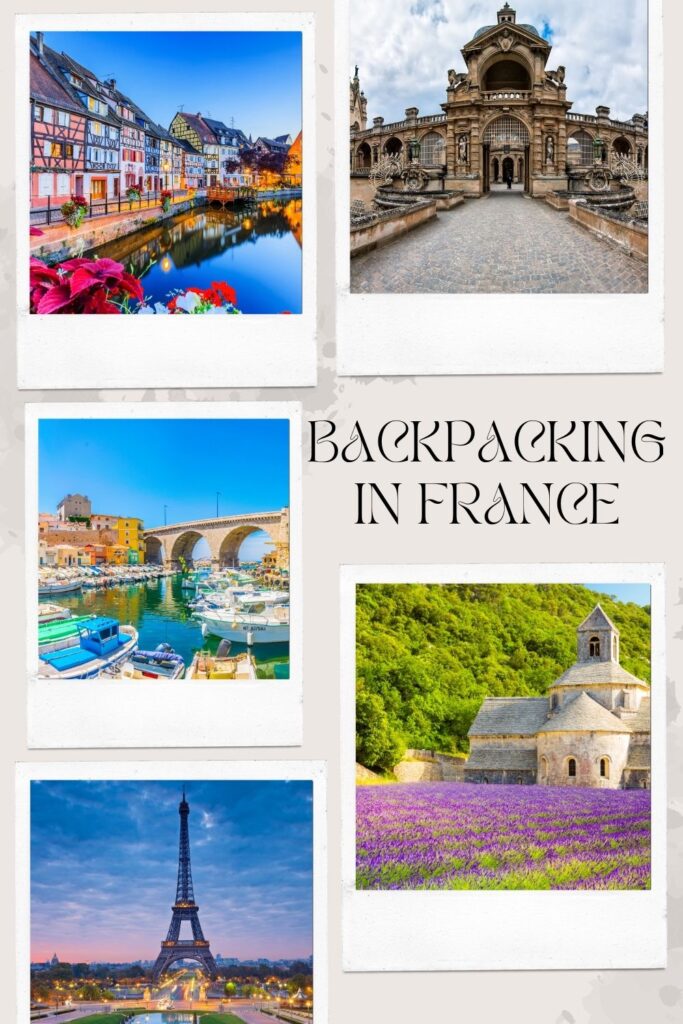
Backpacking in France is a dream come true for travellers seeking a mix of rich history, natural beauty, and famous landmarks. Whether exploring the bustling city of lights, hiking in the French Alps, or relaxing on the French Riviera, there’s something for every travel style.
Best Time to Visit France
The summer months (June to August) are the high season, drawing many tourists to major cities like Paris, small towns in the French countryside, and the most popular destinations. However, if you’re looking for fewer people and cheaper accommodations, late spring or early autumn is a good time to explore France on a shoestring budget.
Best Places to Backpack in France

Charente
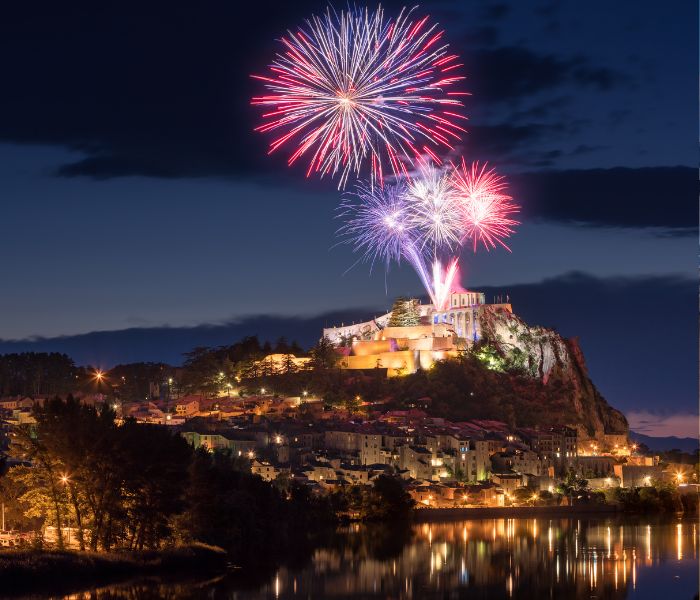
The Charente region in southwest France is rich in history, natural beauty, and charming destinations. The picturesque Aubeterre-sur-Dronne, officially recognised as one of France’s “Most Beautiful Villages,” enchants visitors with its stunning cliffside setting, winding streets, and the unique underground Monolithic Church of Saint-Jean. Angoulême, the vibrant capital known for its comic book festival and fortified old town, offers breathtaking countryside views. Nearby, the Château de la Mercerie, often called the “Versailles of Charente,” impresses with its grand architecture and ongoing restoration efforts that highlight its fascinating past.
Dordogne
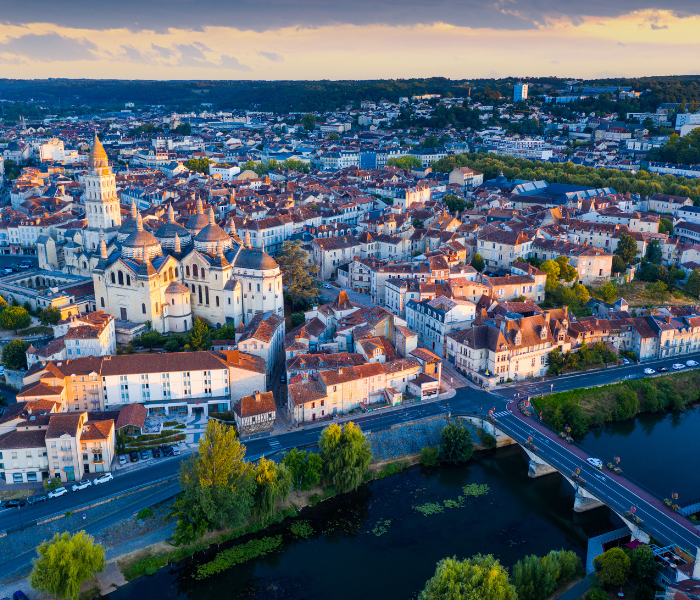
The Dordogne region in southwest France is renowned for its charming medieval villages, breathtaking countryside, and rich history. Iconic destinations like La Roque-Gageac, one of France’s “most beautiful villages,” offer picturesque scenery, including limestone cliffs, exotic gardens, and traditional houses along the Dordogne River. Visitors can enjoy activities like river cruises on traditional gabarre boats, exploring historic sites, or savouring local cuisine at riverside cafés. Dordogne is also famous for its châteaux, prehistoric caves such as Lascaux, and vibrant markets, making it an idyllic destination for travellers seeking cultural, historical, and natural experiences.
Bordeaux
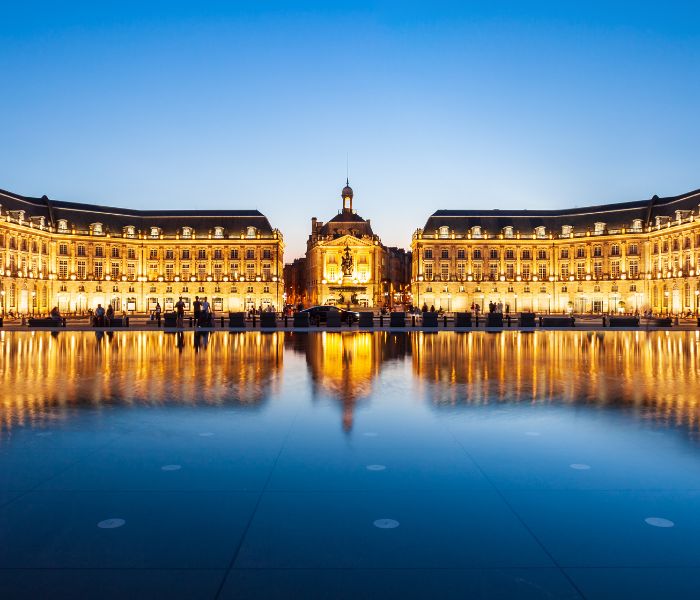
Bordeaux is renowned for its exceptional wine and historical charm. This vibrant city, often called the “wine capital of the world,” offers visitors a chance to explore medieval streets in the St-Pierre district, admire the stunning 18th-century architecture, and enjoy beautiful riverfront views along the Garonne River. Key attractions include the Place de la Bourse and the Mirror Water (Miroir d’Eau), where you can admire breathtaking reflections. Bordeaux’s rich cultural heritage is also on display in its museums, such as the Musée d’Aquitaine, which explores the region’s history, and the Musée des Beaux-Arts, showcasing centuries of fine art.
The city is also famous for its food scene, offering a range of French and international cuisine, from traditional cannelés to gourmet meals at top-rated restaurants like La Tupiña and Le Pavillon des Boulevards. Bordeaux is perfect for cycling along its scenic quays, enjoying its lively neighbourhoods, or strolling through its lively city centre. Whether indulging in local wines or discovering its historic streets, Bordeaux is a must-visit destination for those seeking culture, food, and natural beauty.
Paris
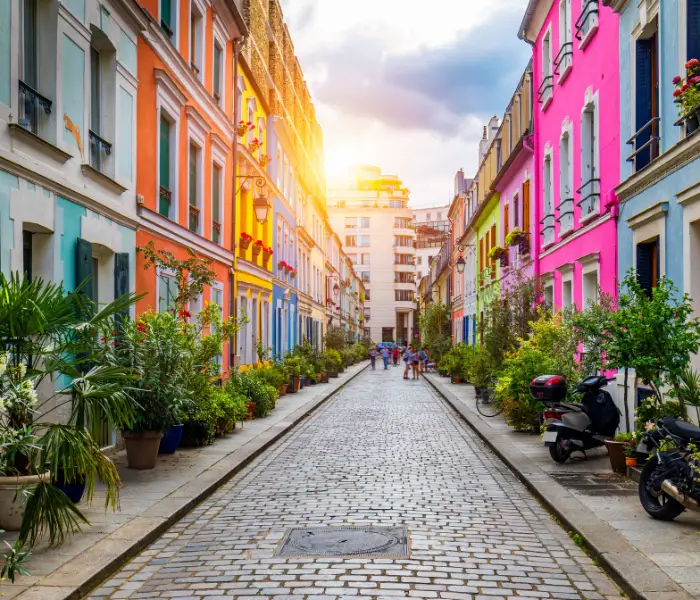
Paris, the enchanting City of Lights, is a treasure trove of history, art, and culture. Start your exploration at the iconic Eiffel Tower, where breathtaking views of the city await from its observation decks. The Seine River winds through the heart of Paris, lined with charming bridges and landmarks like the majestic Notre Dame Cathedral. Art lovers will revel in the Louvre, home to the Mona Lisa, and the Musée d’Orsay, which showcases world-renowned Impressionist masterpieces.
Stroll along the Champs-Élysées to the Arc de Triomphe, indulging in boutique shopping and cafés along the way. Don’t miss the historic Montmartre district, crowned by the Sacré-Cœur Basilica, where cobblestone streets and vibrant artist squares evoke Paris’s bohemian past. For a taste of authentic French cuisine, visit a quaint bistro or a bustling market for fresh pastries, cheeses, and wines. With its blend of iconic landmarks, world-class art, and romantic ambience, Paris is a destination that truly captures the soul of France.
The Loire Valley
The Loire Valley, often called the “Garden of France,” is a UNESCO World Heritage Site renowned for its stunning châteaux, picturesque landscapes, and world-class wines. This region is a paradise for history enthusiasts, offering over 300 castles, including the fairy-tale Château de Chambord, the elegant Château de Chenonceau, and the imposing Château d’Amboise, where Leonardo da Vinci spent his final years.
Beyond its architectural marvels, the Loire Valley is celebrated for its vibrant French cuisine and best wine, making it a great spot for food and wine lovers. Visitors can explore the region’s vineyards, indulge in wine tastings, and savour local specialities at traditional markets or riverside bistros.
For outdoor enthusiasts, the valley offers plenty of ways to enjoy its natural beauty, from cycling along dedicated bike trails to leisurely cruises on the Loire River. The charming small villages and lively towns, such as Tours and Saumur, provide a glimpse into the region’s rich history and warm hospitality. Whether you’re drawn by its cultural treasures, gastronomic delights, or tranquil countryside, the Loire Valley is an unforgettable destination that epitomises the best of France.

The French Alps
The French Alps are a breathtaking region known for their towering peaks, pristine nature, and year-round activities. This mountainous area is home to some of Europe’s most famous ski resorts, such as Chamonix, Méribel, and Courchevel, offering world-class skiing and snowboarding opportunities during the high winter season. Mont Blanc, the highest peak in Western Europe, is a centrepiece for adventurers, providing challenging hikes like the Grand Balcon Sud Trail and stunning vistas that make it one of the best places for outdoor enthusiasts.
In the warmer months, the French Alps become a haven for hikers, cyclists, and climbers. The region boasts an array of national parks, tranquil bike trails, and crystal-clear alpine lakes that highlight its natural beauty. Picturesque small towns and villages, such as Annecy with its fairytale canals, and Grenoble, a hub of culture and history, and Morzine, perfect for Summer walks, offer visitors a mix of relaxation and exploration. Pair your adventures with hearty alpine cuisine, including raclette and tartiflette, and savour the local wines.
Whether you’re seeking adrenaline-filled activities, serene landscapes, or cultural experiences, the French Alps are a great place for every travel style and season. With excellent public transport connections, including the TGV train, it’s easy to access this iconic region and immerse yourself in its diverse offerings.
Normandy Region
The Normandy region in northern France is a captivating blend of rich history, rugged coastline, and peaceful countryside. Known for its D-Day landing beaches, Normandy is a region deeply connected to the events of World War II, with sites like Omaha Beach, Utah Beach, and the American Cemetery at Colleville-sur-Mer offering sombre reminders of the past. The region also boasts the stunning Mont Saint-Michel, a UNESCO World Heritage site, rising dramatically from the sea and home to a medieval abbey that draws millions of visitors annually.
Beyond its historical significance, Normandy is famous for its rural areas, with small villages like Giverny, where Claude Monet once lived and painted, and Rouen, known for its well-preserved medieval architecture and the execution site of Joan of Arc. The region is also a haven for nature lovers, offering national parks, bike trails, and beautiful beaches that stretch along the Atlantic coast. Normandy’s cuisine is a treat, with highlights including Camembert cheese, apple cider, calvados, and local apple brandy.
Normandy is also home to scenic towns and charming coastal spots like Honfleur, a picturesque harbour town, and Deauville, a chic beach resort. Whether exploring its rich history, indulging in its good food, or taking in the natural beauty of its cliffs and beaches, Normandy provides a wonderful mix of famous landmarks and serene escapes, making it a region well worth visiting.
The Atlantic Coast
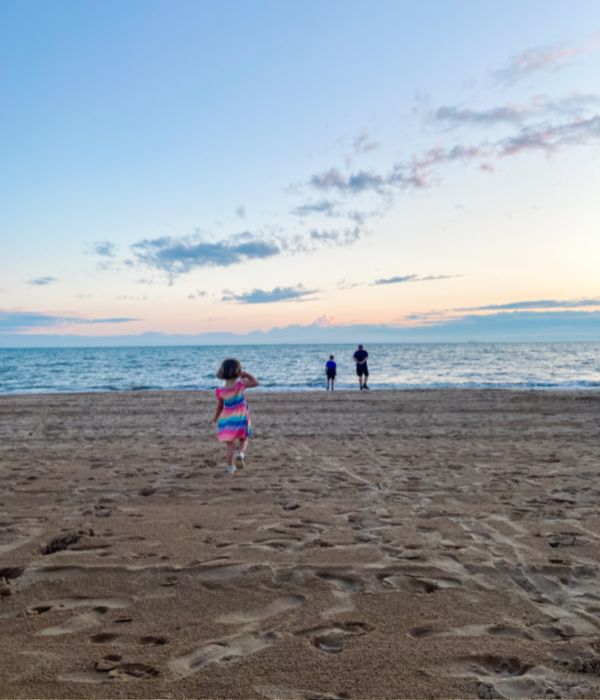
The Atlantic Coast of France offers some of the most scenic and relaxing spots, with Royan, La Rochelle and Châtelaillon-Plage being standout destinations. La Rochelle, a historical port city, is rich in maritime heritage and features impressive landmarks like its medieval towers and one of Europe’s largest private aquariums. The city’s vibrant streets and markets are perfect for strolls, while its charming old town offers boutique shops and excellent dining options. Just a short drive from La Rochelle, Châtelaillon-Plage provides a more laid-back atmosphere with its Belle-Époque architecture and long, sandy beaches. It’s an excellent spot for water sports, including kite surfing and paddleboarding, and offers fantastic views of nearby islands like Ré and Oléron. Together, these coastal gems are ideal for those looking to experience the charm of France’s Atlantic coastline, with opportunities for relaxation, exploration, and water activities.
Provence and Southern France
The South of France, including the renowned region of Provence, is a dream destination for anyone seeking a blend of stunning landscapes, rich culture, and a laid-back Mediterranean lifestyle. Provence is celebrated for its lavender fields, olive groves, and vineyards, providing breathtaking views and some of France’s best wines. The region’s towns, like Aix-en-Provence and Moustiers-Sainte-Marie, offer charming streets, local art, and delicious cuisine. Provence’s beautiful villages are steeped in history, with markets full of fresh produce, olive oil, and handmade goods that reflect the region’s traditions.
Provence is also a great base for exploring natural wonders such as the Verdon Gorge, one of Europe’s most spectacular canyons, or the picturesque Lake Sainte-Croix, perfect for water sports. Whether hiking in the Luberon mountains or visiting iconic landmarks like the Roman Theater in Orange, there’s always something to discover. The region is also home to exquisite Mediterranean beaches, such as those near Saint-Tropez, as well as quaint hilltop villages with views of the surrounding countryside.
The French Riviera
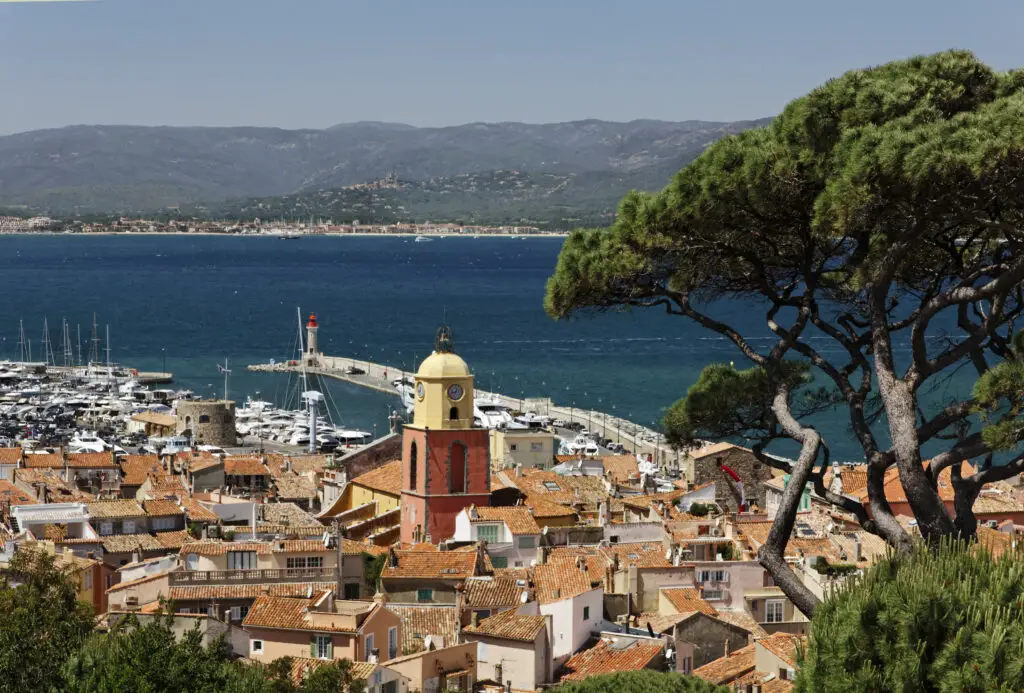
The French Riviera, or Côte d’Azur, is a glamorous stretch of the Mediterranean Sea coastline famed for its beautiful beaches, luxurious resorts, and vibrant culture. This southern France region is home to some of the most popular destinations in the country, including Nice, Cannes, and Saint-Tropez. In Nice, stroll along the Promenade des Anglais and visit its bustling markets, while Cannes is synonymous with its international film festival and high-end shopping. Saint-Tropez, once a quaint fishing village, now offers a blend of rustic charm and upscale appeal.
The French Riviera is also celebrated for its small towns and villages, like Èze and Saint-Paul-de-Vence, perched on hillsides and offering stunning views of the Mediterranean Sea. The region is a hub for art and history, with museums dedicated to artists like Picasso and Matisse, as well as Roman ruins and medieval fortresses. For nature lovers, the nearby national parks and bike trails provide opportunities to explore the area’s natural beauty.
Dining here is a culinary delight, with French cuisine emphasising fresh seafood, Provençal flavours, and world-renowned rosé wines. Whether sunbathing on a beach, savouring a meal at a French restaurant, or wandering through cobblestone streets, the French Riviera is a great place to experience the elegance and charm of Western Europe. Its mild climate makes it an inviting destination throughout the year. However, the summer months draw the most visitors, making it a good idea to visit during the quieter shoulder seasons for fewer people and a more relaxed experience.
Best Ways to Travel
France boasts excellent public transport, making intercity travel a breeze. The TGV train efficiently connects large cities like Paris, Lyon, and Marseille. However, renting a car is essential if you want to explore the countryside villages.
- Travel Tips:
- Purchase a Eurail Pass or train pass to save money.
- Book the early morning first train of the day for cheaper tickets.
- Use train stations as a hub for day trips to rural areas.
- Use Compare Ferries to get the cheapest crossing.
- Cheapest Way to Travel:
- Stay in French hostels or with a host family to save on accommodations. Pet sitting and House sitting are also great options. I have previously used Trusted Housesitters (The code 12TRUST will give 12% off a new annual membership), and I also run a Free Petsitting in France Facebook group.
- Carry a water bottle and refill it with tap water, which is safe to drink.
French Cuisine and Culture
Eating in France is an experience in itself. Indulge in good food at a French restaurant, with the main meal often served between 12 and 2pm. Visit market days in small villages to enjoy local delicacies and interact with French people, who are proud of their rich history and traditions.
France Travel Tips
SIM Card
Get a local SIM card for easy navigation and connectivity. I recommend Lebara. They do great monthly packages without a commitment, a bit like GiffGaff in the UK if you are familiar with them. Using this link, you can get a 50% discount on your first two-month package.
Multicurrency Bank Card
A multi-currency card, such as Wise (formerly TransferWise), is a convenient solution for travellers who need to manage multiple currencies without carrying cash or dealing with high exchange fees. These cards allow you to hold and convert over 50 currencies, offering real-time exchange rates and low fees, making them more affordable than traditional bank cards. They can be used for online purchases, ATM withdrawals, and in-store transactions, often at no extra cost for purchases in foreign currencies. With features like instant notifications and the ability to freeze or unfreeze your card for added security, they provide peace of mind while travelling abroad. A Wise card, for example, allows users to top up their balance in different currencies and offers a simple app for managing finances, making it a versatile tool for both frequent travellers and those looking for better currency management during short trips.
Pack Smart
Organise your luggage efficiently to maximise space and minimise weight. Use packing cubes or compression bags to keep clothes neatly packed and easily accessible. Choose versatile clothing that can be worn in multiple settings, and prioritise lightweight, foldable items to save space. By planning, you can avoid overpacking, making it easier to travel comfortably, especially if you’re using public transport or trains, like when exploring the French countryside or cities.
Plan Ahead
Many tourist attractions have extra costs, such as entrance fees or guided tour charges, so it’s important to budget accordingly. While some attractions offer free entry, others, like the Louvre or Mont Saint-Michel, require tickets, and costs can add up if you visit several sites. To avoid surprises, research the costs of attractions ahead of time and consider purchasing passes or tickets in advance to save both time and money.
Why Backpack in France?
France is the most visited country in the world for good reason. Its most beautiful cities, natural beauty, and famous landmarks make it a great way to explore Western Europe on any budget. Whether you’re captivated by the charm of small villages or the allure of big cities, France offers a favourite part for everyone.
Pack your bags, grab a France travel guide, and start exploring this incredible country. Bon voyage!