
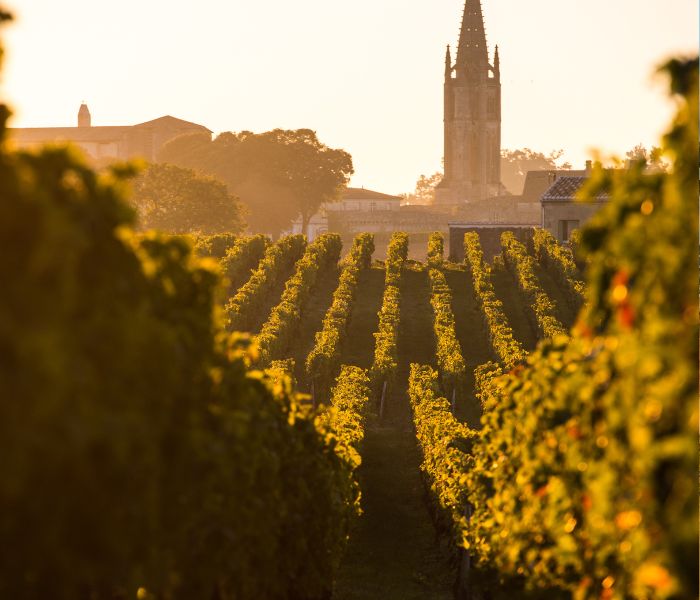
Nestled in southwest France, the Bordeaux wine region is a haven for wine lovers worldwide. Renowned for its exquisite red and white wines, Bordeaux offers a unique experience that blends rich history, beautiful scenery, and some of the best wines in the world.
The Bordeaux Wine Region
The Bordeaux region is expansive, covering both the Left and Right Banks of the Gironde Estuary. This massive wine region is known for its diverse grape varieties and wine styles, with notable reds like Cabernet Sauvignon, Cabernet Franc, Merlot, and Petit Verdot and whites such as Sauvignon Blanc. The region’s climate, influenced by the Atlantic Coast, is ideal for viticulture, contributing to the production of Bordeaux’s famous names.
Iconic Wine Regions: Left Bank and Right Bank
The Left Bank, particularly the Médoc region, is home to prestigious châteaux such as Château Margaux, Château Mouton Rothschild, and Château Lafite Rothschild. These estates are celebrated for their grand cru classé wines, epitomizing the luxury and quality of Bordeaux’s red wines.
On the Right Bank, Saint-Emilion stands out with its medieval charm and renowned wines. This area, with its picturesque vineyards and historical sites like Château La Croizille, offers a different yet equally captivating wine-tasting experience.
Exploring Bordeaux: Wine Tours and Tastings
Bordeaux wine tours are a must for any wine enthusiast. Whether opting for a private wine tour or a small group tour, these excursions provide an intimate look into the region’s winemaking process. Tasting rooms at estates like Château Pape Clément and Château Saint Ahon allow visitors to sample some of Bordeaux’s best wines.
For those seeking a more guided experience, local expert guides offer tours that delve into the region’s history, viticulture, and the impact of climate change on wine production. These tours often include visits to family properties and famous châteaux, providing a comprehensive look at Bordeaux’s wine industry.
Unique Wine Experiences
Bordeaux’s wine tours are not just about tasting; they are about experiencing the region’s culture and heritage. The city of Bordeaux itself, a UNESCO World Heritage site, boasts a vibrant wine culture with numerous wine bars, restaurants, and events. The Rue des Vignerons is great for exploring local wines and meeting producers.
For a truly unique experience, visitors can explore the vineyards along the Garonne and Dordogne rivers, enjoy the beautiful scenery of Arcachon Bay, or visit the English gardens of estates like Château de la Rivière.
Notable Wineries and Châteaux
The Bordeaux region is dotted with illustrious wineries and châteaux, each offering something special:
Château Mouton Rothschild: Known for its exceptional first-growth wines.
Château Mouton Rothschild is one of the world’s most renowned wine estates. It has a storied history dating back to the 18th century, but it gained international acclaim after being acquired by the Rothschild family in 1853. Known for its exceptional quality, the estate produces some of the finest wines in the Pauillac appellation. Château Mouton Rothschild is particularly celebrated for its innovative practices and artistic labels, featuring unique designs by famous artists in each vintage. The vineyard spans over 200 acres, with a blend of Cabernet Sauvignon, Merlot, Cabernet Franc, and Petit Verdot grapes, resulting in a complex and elegant wine highly sought by collectors and connoisseurs alike.
Château Margaux: A symbol of Bordeaux’s winemaking excellence.
Château Margaux is renowned for its elegant and refined wines. With a history dating back to the 12th century, it has been a significant figure in the world of viticulture for centuries. The estate gained prominence in the 18th century under the management of the Marquis de la Colonilla, who commissioned the construction of its iconic neoclassical château. Spanning over 650 acres, Château Margaux primarily cultivates Cabernet Sauvignon, Merlot, Cabernet Franc, and Petit Verdot, producing wines celebrated for their balance, complexity, and longevity. As one of the original four First Growths classified in the 1855 Bordeaux Classification, Château Margaux continues to be a benchmark of quality, revered by wine enthusiasts and collectors around the globe.
Château Lafaurie-Peyraguey: Famous for its sweet wines.
Château Lafaurie-Peyraguey is renowned for its luscious, sweet wines. The estate dates back to the 17th century and encompasses about 92 acres of vineyards. The primary grape varieties grown are Sémillon, Sauvignon Blanc, and Muscadelle. The vineyard’s unique terroir, characterised by gravelly soils and morning mists from the Ciron River, fosters the development of noble rot (Botrytis cinerea). This rot concentrates the sugars and flavours in the grapes, producing wines of exceptional richness and complexity. Château Lafaurie-Peyraguey was classified as a Premier Cru in the 1855 Bordeaux Classification, a testament to its outstanding quality. The wines from this estate are known for their golden hue, intense aromatics, and a perfect balance of sweetness and acidity.
Château de Rayne Vigneau: Offers a distinctive tasting experience.
Château de Rayne Vigneau is another esteemed producer of sweet wines. The estate was established in the 17th century and covers around 84 hectares of vineyards. Like other top Sauternes producers, it primarily grows Sémillon, with smaller Sauvignon Blanc and Muscadelle plantings. The terroir includes gravelly soils and benefits from the climatic influence of the Ciron and Garonne rivers, which promote the development of noble rot. This estate was also classified as a Premier Cru in the 1855 Bordeaux Classification, underscoring its historical significance and the high quality of its wines. Château de Rayne Vigneau’s wines are celebrated for their rich golden colour, complex bouquet, and harmonious blend of sweetness and acidity, making them highly prized by wine enthusiasts.
Château Pape-Clément: Renowned for its rich history and premium wines.
Château Pape Clément is one of the oldest estates in the region, dating back to the 13th century. The vineyard, named after its most famous owner, Pope Clement V, spans approximately 63 hectares and is planted with a mix of red and white grape varieties, including Cabernet Sauvignon, Merlot, Petit Verdot, Sauvignon Blanc, and Sémillon. The estate is known for its meticulous viticulture and winemaking practices, producing exceptional quality and complex wines. Château Pape Clément is celebrated for its elegant and powerful red wines, rich fruit flavours, silky tannins, and a long, balanced finish. The white wines from the estate are equally esteemed, noted for their aromatic intensity and vibrant acidity. With its historical significance and modern winemaking excellence blend, Château Pape Clément remains a standout in the Bordeaux wine landscape.
Saint-Émilion
Renowned for its picturesque vineyards and historic wineries that produce some of the world’s finest wines. This UNESCO World Heritage site boasts a unique terroir characterised by limestone, clay, and gravel soils, contributing to its wines’ distinctiveness. The region is primarily planted with Merlot, which thrives in the cooler climate and rich soils, often complemented by Cabernet Franc and a small percentage of Cabernet Sauvignon. Wineries in Saint-Émilion range from prestigious estates like Château Ausone and Château Cheval Blanc to smaller, family-owned vineyards, each offering a unique expression of the area’s rich viticultural heritage. The wines from Saint-Émilion are celebrated for their rich, velvety texture, complex aromas, and ageing potential, making the region a must-visit destination for wine enthusiasts and collectors. The charming medieval village, with its cobblestone streets and ancient ruins, adds to the allure of the wine-tasting experience in this storied appellation.
Best Places and Times to Visit
The best time to visit Bordeaux is during the harvest season, from late summer to early autumn. This period offers a lively atmosphere and the firsthand opportunity to witness the grape harvest. For dining, Bordeaux boasts some of the best restaurants that pair exquisite local cuisine with fine wines.
Conclusion
Bordeaux is not just a wine region; it is a world of wines waiting to be discovered. From the prestigious châteaux and grand cru classé wines of the Left Bank to the charming estates and vineyards of the Right Bank, Bordeaux offers an unparalleled wine-tasting experience. Whether you’re a seasoned wine lover or a curious traveller, Bordeaux’s wineries blend history, culture, and exceptional wine perfectly.
Embark on a journey through the Bordeaux vineyards, enjoy a glass of wine by the Garonne River, and immerse yourself in the rich tapestry of the wine region. It is a great place for anyone exploring the world of wines.