
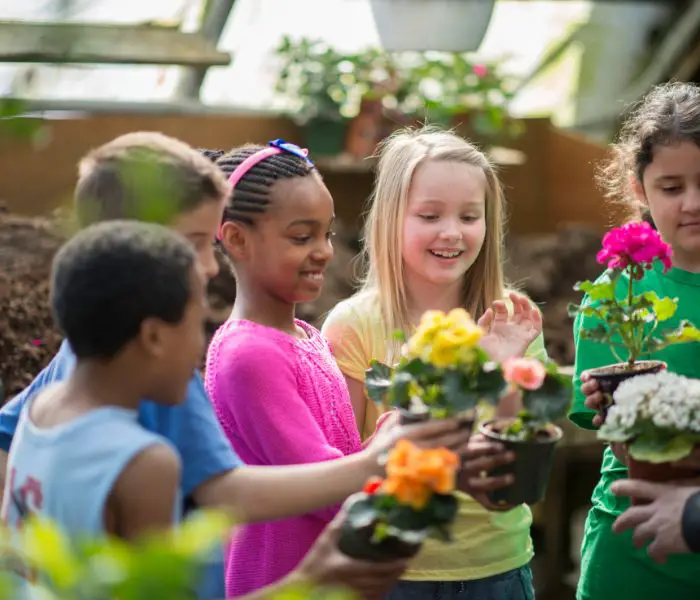
Teaching children about sustainability and the environment is crucial in their education and upbringing. It enables them to understand the world and develops a sense of responsibility and engagement in preserving the planet.
One of the best ways to do this is to involve them in gardening. It provides a practical way of learning about nature, as children interact directly with plants, soil, and the ecosystem.
This way, they will observe natural processes and gain insight into their role in maintenance. This will help them develop responsibility for environmental conservation and understand how our actions affect the planet.
Understanding Sustainability Through Gardening
Sustainability means preserving the planet Earth and ensuring that all plants, animals, and people have everything they need to live happily and healthily today and in the future.
Gardening contributes to a more sustainable world by producing food without the need for transport and packaging, preserving biodiversity by growing diverse plants, reducing waste by using compost, protecting land and water through proper garden maintenance, and raising awareness about the origin of food and the impact of human actions on the environment.
Getting Started: Setting Up Your Sustainable Garden
When choosing a location for the family garden, it is essential to consider the available space, especially the amount of sunlight that reaches it. The reason is straightforward—plants need a minimum of daily light to thrive.
Check the soil quality, and other weather and climatic conditions, such as wind, snow, or drought, will affect your garden. Also, water access should be considered to facilitate watering plants.
Eco-Friendly Gardening Tools
Eco-friendly gardening tools and materials are an excellent choice for the family garden as they are safe for children and naturally acceptable for the environment.
These tools involve recycled or biodegradable materials, such as wooden tools and metal or stainless steel tools, which are long-lasting and can also be recycled. Plastic tools are never a good option, as they pollute the environment in many ways.
Also, when selecting gardening materials, it is essential to avoid chemical fertilisers and pesticides. Instead, choose organic and natural alternatives that are safe for children and the environment.
These eco-friendly tools and materials allow children to learn about gardening safely while simultaneously preserving nature.
Activity 1: Planting a Pollinator-Friendly Garden
Pollinators are crucial for the preservation of ecosystems and the survival of plants in general. Therefore, it is essential to have a variety of plants in the garden that bloom throughout the season to ensure a continuous food supply for pollinators.
To attract pollinators to your garden, you can plant plants that provide them with food, such as lavender, basil, rosemary, thyme, and sage.
Lavender is excellent for bees, butterflies, and other pollinators and is easy to grow and maintain. This plant prefers sunny positions and well-drained soil; its beautiful scent will enrich your garden.
Basil also attracts beneficial insects with its scent and flowers, and at the same time, it is simple to grow in the garden and in pots on terraces. It requires a sunny place and regular watering.
Mother thyme is a resilient plant that tolerates droughts and less fertile soil well. It is grown in sunny places and requires minimal watering.
Sage prefers sunny places.
All these plants are simultaneously suitable for food and have medicinal properties that you can include in your diet.
As we have already mentioned, avoid using pesticides as they can harm pollinators, and instead use natural pest control methods.
The pollination cycle is a crucial process in food production. It allows plants to reproduce and form fruits and seeds. Pollination occurs when pollen is transferred from a plant’s male reproductive organs to the female reproductive organs of the same or another plant species.
Pollination is mainly performed by insects such as bees, bumblebees, and butterflies. This process is crucial because most plants we use for food require it to form fruits. Pollination ensures increased fertilization of plants, which results in higher yields and quality of fruits.
Many plants could not effectively form fruits without pollinators, leading to reduced yields and a lack of food. Pollination also contributes to the preservation of biodiversity and ecosystem health.
Activity 2: Creating a Compost Pile or Bin
Compost enriches the soil with nutrients, improving fertility and soil structure. It also reduces the need for chemical fertilisers, contributing to environmental protection. Plants grown in composted soil become more resistant to diseases and pests and increase yields.
Here is a simple guide to start composting:
Choose a suitable location: Choose a sunny or semi-shady place for compost. You can use a garden area or choose a composting container.
Prepare the base: At the bottom of the compost pile, lay a layer of coarse material, such as branches or dry leaves. This will allow air circulation and drainage.
Add organic material: Add a variety of organic materials to the compost pile. This may include fruits and vegetables, coffee and coffee filters, eggshells, paper waste, and plant residues from the garden, such as mown grass and leaves.
Avoid certain materials: Do not add meat, dairy products, oils and fats, coloured or processed paper, or poisonous plants to the compost pile. These materials can cause an unpleasant smell, be toxic, and attract pests.
Maintain regularly: Mix and turn the compost pile to encourage decomposition. Keep the pile’s moisture similar to that on a sunny day.
Wait for it to decompose: Your compost will decompose over time. The compost may take several months to a year to fully decompose depending on the conditions and composition.
Composting encourages children to learn about the importance of recycling by actively transforming organic waste into useful fertiliser. Through this process, children can observe how organic material decomposes and turns into fertile soil, learning about the natural cycle of decomposition and renewal in nature.
Also, composting promotes awareness of soil health by allowing children to see how adding compost improves fertility and soil structure, leading to healthier plants and higher yields.
Activity 3: Water Conservation Techniques in Gardening
Learning about the importance of saving water in the garden allows children to understand how valuable water is a resource, especially in today’s world, and how they can contribute to preserving water resources.
They can learn this in the following ways:
Using mulch: Mulching around plants helps retain moisture in the soil, reducing the need for frequent watering.
Collecting rainwater: Installing a rainwater collection system allows the garden to be watered with natural water instead of tap water.
Drip technique: Using a watering system known as “drip by drip” involves irrigation directly to the roots of plants, literally drop by drop, thus reducing water loss due to evaporation at high temperatures.
Watering at a specific time: Watering plants in the early morning or late evening hours reduces water evaporation due to high temperatures during the day.
Choosing succulents and drought-resistant plants: Planting plants that tolerate drought reduces the need for frequent watering. These are various types of succulents, such as cacti or agave.
Incorporating Technology: Using Apps and Tools for Gardening
Technology provides useful tools, such as apps for tracking plant growth and identifying them through image recognition, which makes it easier to study and research the plant world and ecosystems.
Such tools will make gardening exciting and more educational for children.
Applications and tools tailored for children can further enrich their experience in gardening, making it more interesting and educational. Some of these tools and applications include:
Interactive learning apps: Apps that provide interactive lessons on various aspects of gardening, including information about different types of plants, pollinators, organic farming, and proper garden maintenance.
Planting guides: Apps that provide helpful information on how to choose, plant, and care for plants, as well as about optimal conditions for their growth.
Virtual gardens:
● Interactive apps that allow children to create and manage their virtual garden.
● Choosing plants.
● Designing layouts.
● Caring for plants, which they can later apply to the actual garden.
Games related to gardening: Various games encourage children to learn about gardening through fun, including games where they care for virtual plants and solve puzzles or quizzes about plants and animals.
Sustainability Beyond the Garden
Families can adopt other sustainable practices by reducing plastic consumption, using renewable energy sources such as solar panels, and practising waste reduction through recycling.
In addition, paying attention to water consumption, supporting local food production, and promoting alternative forms of transport contribute to nature conservation.
Integrating these practices into family life can significantly impact the planet and future generations.
Encouraging children to share their knowledge of gardening and sustainability with friends and at school will raise awareness of the importance of preserving nature and responsible behaviour towards the environment among their peers.
This approach not only contributes to the education of others but also encourages children to feel responsible for environmental protection and motivates them to act as ambassadors of sustainable living in their community.
Conclusion
Through practical experience in the garden, children acquire environmental protection skills, developing responsibility and respect for nature.
Gardening also promotes creativity, develops healthy eating habits, and fosters a sense of connection with nature, which contributes to the overall development of children and the creation of future generations that will be aware and responsible towards their environment.
Working in the garden can be extremely pleasurable for the whole family. It provides an opportunity for learning, conversation, and creating beautiful memories.