
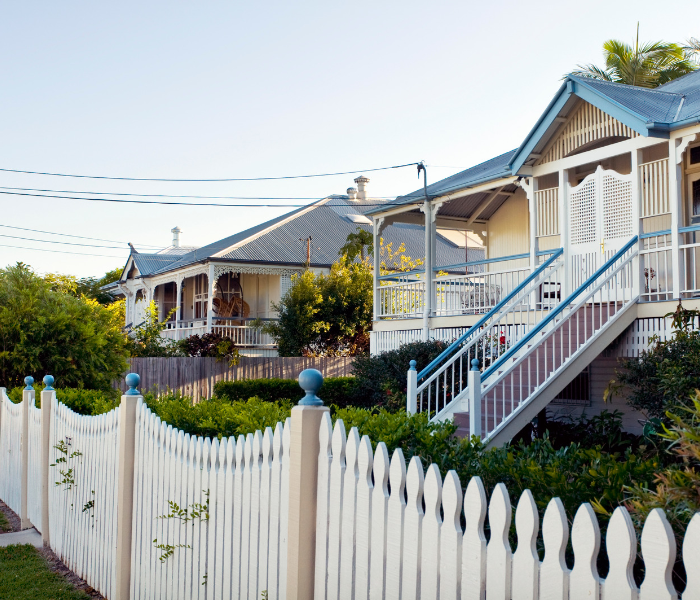
Brisbane homes look their absolute best when they respond to our subtropical climate and local architecture. The secret is blending warm, earthy palettes with biophilic elements and finishing the space with perfectly placed native artwork and mirrors that reflect natural light. There you go. That is the main answer right up front for anyone who just wants the quick takeaway. But getting these details right takes a bit more effort.
I think the way we decorate our houses has changed a lot lately. We are moving away from those generic glossy magazine looks. People actually want their homes to feel lived in.
It is funny how long it took us to realise that a dark, heavy European aesthetic doesn’t really work when itis 30 degrees outside with 90 per cent humidity.
Why Subtropical Design Matters Here
Brisbane is hot and sticky for much of the year. We all know it.
So building or renovating a home that ignores the weather is just asking for massive electricity bills. Contemporary Brisbane design is leaning heavily into ‘subtropical minimalism’. This means uncluttered spaces that actually breathe.
Passive cooling strategies and good airflow can make a massive difference to how a house feels in February.
I remember visiting a mate’s new build a few years ago. It was essentially a sealed glass box. We sat there sweating while the aircon struggled to keep up. Compare that to a traditional Queenslander with high ceilings and cross ventilation. The difference is night and day. You really have to work with the environment.
And it is not just about temperature. Increased daylight can reduce how much you rely on artificial lighting. It just makes a room feel better. Less artificial. More human.
Bringing Nature Indoors With Purpose
“Biophilic design” is a term thrown around a lot by architects. It basically means connecting the indoors with the natural world.
It is not just about chucking a potted fern in the corner and calling it a day.
True biophilic interiors use large windows to frame leafy outlooks. They use natural timber and stone. Rattan and woven materials are making a massive comeback too.
For artwork, consider botanical prints or native Australian art. Think gum trees and coastal environments. A beautiful eucalyptus-inspired print pairs beautifully with pale timber and textured linen. It grounds the room.
I have noticed many local designers using greenery near artwork. The trick is to make sure the plants don’t obscure the art itself. You want them to talk to each other visually.
Ditching Stark White For Warm Tones
For a long time, everyone just painted everything white. It was safe. It was also incredibly boring.
Now we are seeing warm layered colour palettes taking over. Terracotta is huge right now for feature walls and ceramics. Sandstone and warm beige make great base colours for large surfaces. Then you can bring in ocean blue or muted teal for some contrast.
You do not want to overwhelm the space, though. A restrained base colour with a secondary earthy tone and one stronger accent is usually enough.
Statement art can introduce extra colour without making the whole room feel chaotic.
If you live in an open-plan apartment, colour blocking can actually help define your dining and living zones. You don’t need full-height partitions blocking the light. Just clever use of paint and textiles.
Making Statement Artwork Work Hard
A massive painting or photograph can dictate a room’s mood.
It creates a strong visual focal point. Especially above key furniture pieces like a sofa or a sideboard. I always suggest choosing the artwork before finalising the smaller decorative bits. The art sets the tone.
But there is a trick to getting the scale right. Artwork above furniture generally looks most balanced when it spans about two-thirds of the furniture’s width.
And then there is the height. A widely used guideline is to position the centre of a picture approximately 145 centimetres above the floor.
This is not a strict law. Sometimes you have to adjust for unusually high ceilings or tall furniture. Just a thought. But it gives you a solid starting point so your art doesn’t end up scraping the ceiling. You also have to think about the physical weight. Oversized pieces are heavy. You need to know if you can even get it up the stairs safely.
Creating Relaxed And Personal Gallery Walls
Gallery walls are brilliant for adding personality. They do not need to be a rigid symmetrical grid. In fact, they look better when they are a bit messy.
Mix up your frame sizes. Throw in some family photographs and travel images. Add small paintings and maybe some shallow collected objects.
You can achieve a cohesive look by repeating one element, like black frames or a limited colour palette. The artwork itself does not need to match exactly.
Before you start hammering nails into the plasterboard, I highly recommend laying the whole arrangement out on the floor. Or make paper templates. It saves a lot of swearing later. And it stops your wall looking like a block of Swiss cheese.
Styling Queenslanders And VJ Walls
Traditional Queenslander homes need a sensitive touch. You cannot just treat them like a blank modern apartment.
They have character. High ceilings, decorative architraves, and those iconic VJ walls. VJ stands for vertical joint, in case you were wondering.
These linear timber boards are beautiful, but they can visually swallow small pieces of art. You need larger works to compete with the vertical lines.
You also have to think about how you hang things. The visible lining might not be strong enough to support heavy frames. You usually need to find the structural timber behind the boards.
You really can’t damage heritage fabric just because you guessed where the stud was. If you are lucky enough to own a heritage-listed property, you might even need to check local requirements before doing anything drastic.
Using Mirrors To Open Compact Spaces
Mirrors are functional design features. They are practically magic in narrow hallways or dark stair landings.
A large mirror reflects natural light and makes tight spaces feel much more spacious. If you live in a compact Brisbane apartment, a broad horizontal mirror can visually widen your living area.
Just be careful what it reflects. You want it bouncing light from a window or a nice garden view. Not reflecting a pile of laundry on the dining table.
And heavy mirrors need serious hardware. A flimsy hook will not end well. A tall mirror can also really emphasise the ceiling height in an older home. It draws the eye up.
Fixing Heavy Art Safely And Securely
This is where people often mess up. They spend a fortune on a beautiful framed print, then hang it on a cheap plastic hook.
For heavy work, you really want to fix directly into a wall stud. If you are dealing with plasterboard and cannot find a stud, you must use rated plasterboard anchors or toggle bolts.
Brick walls are a whole different beast. They require masonry drill bits and proper anchors. Usually it is better to drill into the brick itself rather than the mortar joint because the mortar can be weak and crumbly.
If you like changing your art around frequently, consider flexible display systems. Adjustable picture rails mounted near the ceiling let you move things horizontally and vertically without repeatedly drilling holes in your walls. They are brilliant for renters or anyone who is a bit indecisive. Some of these systems use cables & sliding hooks you can adjust without any tools.
Final Thoughts
At the end of it all, your house has to feel like yours.
Brisbane interiors are unique because our lifestyle is unique. We spend half our lives outdoors, so it makes perfect sense that our homes blur the lines between inside & outside.
Whether you are living in a breezy heritage house or a sleek new apartment, the principles are mostly the same. Warm colours, natural textures, and art that actually means something to you.
But all the styling in the world falls flat if your favourite piece of art is hanging crooked or a heavy mirror rips a chunk out of your plasterboard. It happens more often than you would think. Getting the measurements right and using the proper anchors is tedious but necessary. If you are planning to flawlessly integrate heavy mirrors or statement art into your decor, I really suggest you book a specialist in picture hanging Brisbane to ensure a safe and visually balanced finish. It takes the stress completely out of the equation.