
When we move into our next house, we are planning on growing our own vegetables and herbs. Lucas is really looking forward to helping us and I am glad that he is excited, gardening with children can help with encouraging them to be active, its a great sensory activity and it can help them understand where some of their food comes from. By inviting children into the garden you are helping them create healthy habits for a lifetime. I have seen that there are a wide variety of gardening books available at The Works if you want some further information about ideas of what to plant in the garden.

Coriander
Coriander acts as a brilliant multi-use herb with a fast growing nature. A quick growing, dual purpose annual herb that is grown for its seeds or fresh young leaves. Coriander seeds are delicious in cakes, and when crushed add an orangey flavour to meat dishes. The young leaves of coriander (often called ‘Cilantro’) can be finely chopped and added to curries, sauces, chutneys and salads. While it is most commonly used as an addition to spicier dishes, adding coriander to dishes like salads can add a unique and tasty twist on a conventional meal.
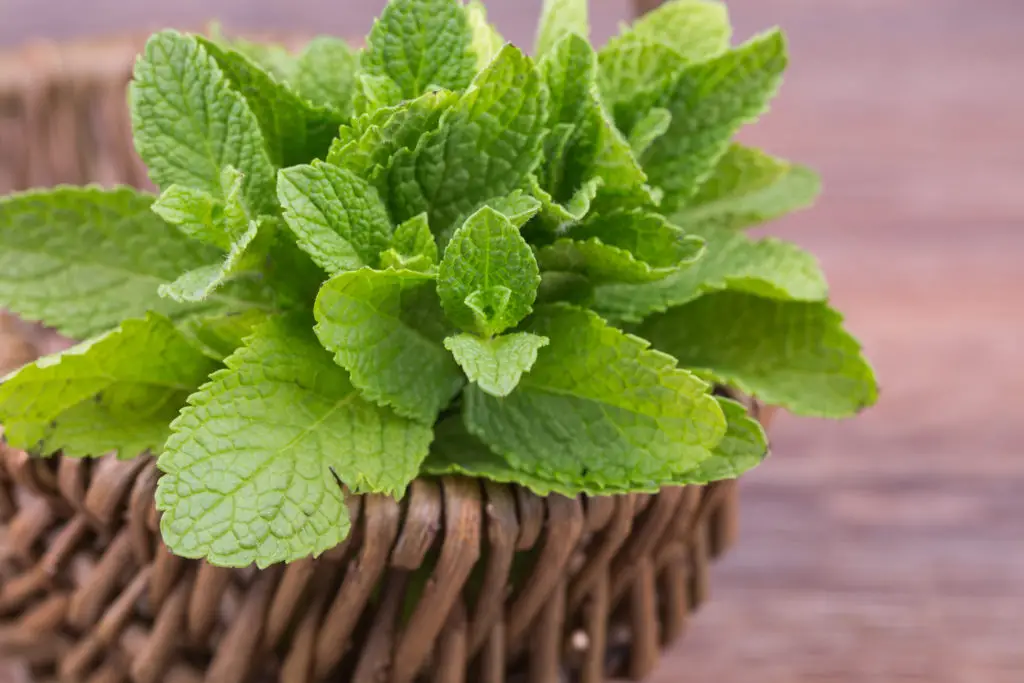
Mint
Spearmint and peppermint can be so easy to grow from herb seeds, and it just keeps on growing. Mint traditionally complements lamb and poultry. It is widely used in Middle Eastern and Greek dishes, including salads, side dishes, and sauces. Fresh mint is a favourite for herbal tea and iced drinks.

Dill
This is an aromatic annual which can be grown for its seed or its aniseed flavoured foliage which goes great with fish dishes. The leaves of the dill are feathery which make for an attractive addition to a sunny herb garden. This easy to grow herb is tolerant of most conditions and requires little maintenance.

Rosemary
A much loved herb that requires very little maintenance to grow and harvest. Used regularly with roast lamb, the dark green aromatic foliage of rosemary has a multitude of culinary uses. This shrubby evergreen is ideal for a sunny herb garden and even survives in poor soils, requiring very little maintenance.
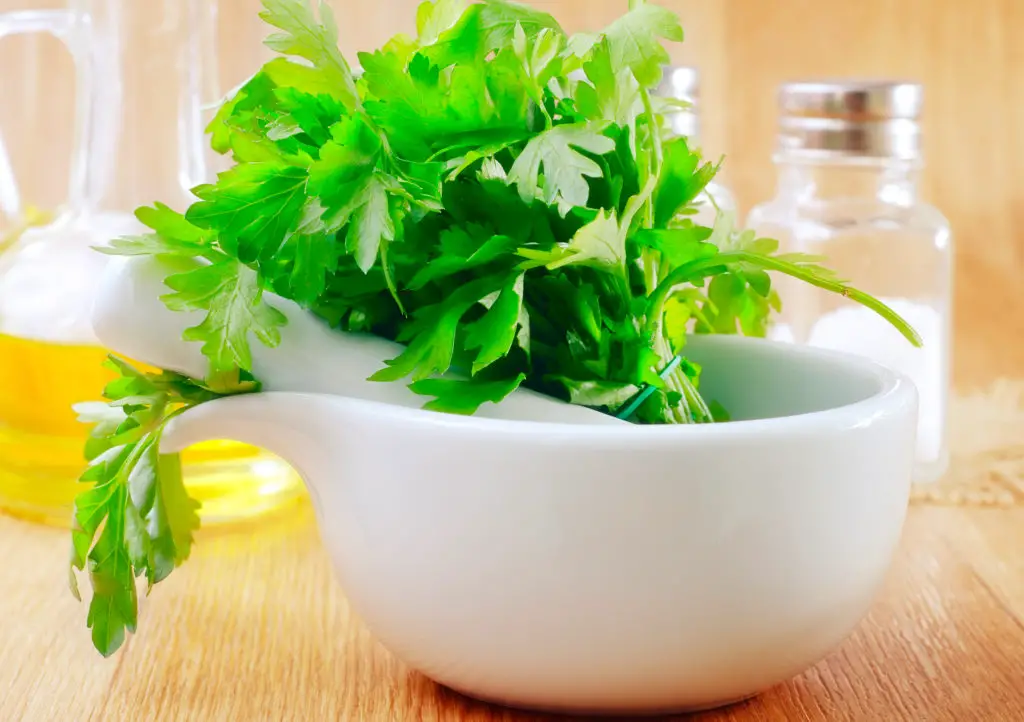
Parsley
This hardy biennial is one of the most popular herbs for culinary use as a garnish, flavouring sauces and pastry, and associating particularly well with fish. Parsley makes a useful, low maintenance addition to herb gardens, or grow parsley indoors on a bright kitchen windowsill.
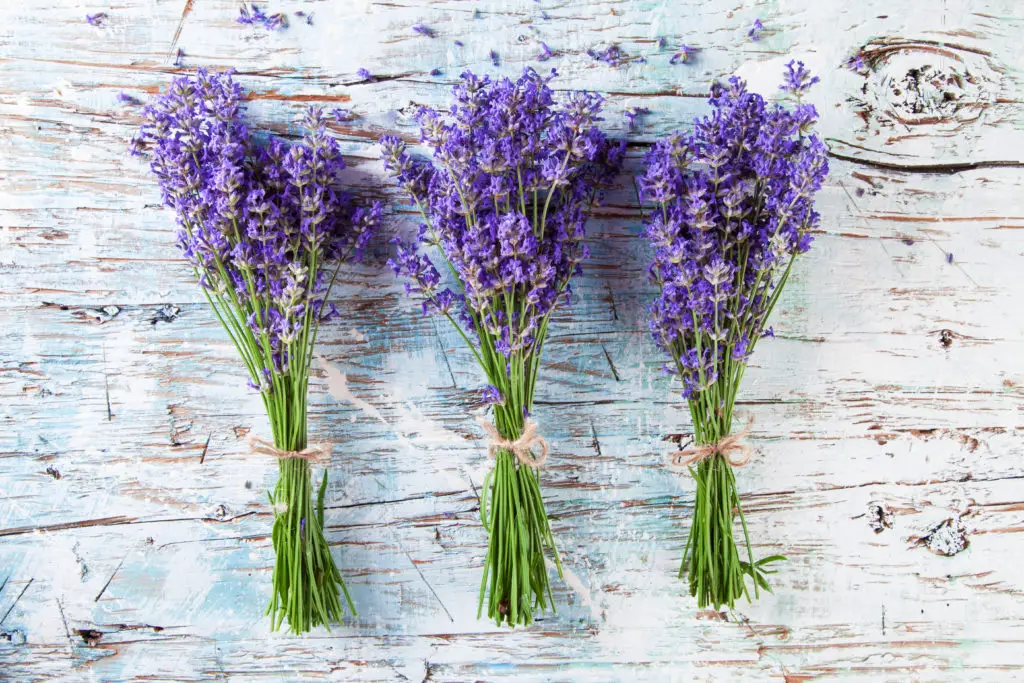
Lavender
Lavender grows best where the winter is mild and the summers are hot and dry, but it’s a forgiving plant. Lavender generally needs little water or fertilisation and even grows well in pots. Lavender can be used for skincare, relaxation, in infused vinegar or a herbal tea.

Basil
Basil is typical of Italian cooking, and leaves are good for adding to salads, sauces and pizzas. Sweet Italian Basil is good for growing all year indoors in pots and for growing outside in the summer. Leaves can be picked all year while plants are growing. Sow indoors all year and grow on a sunny windowsill. Or sow indoors from February for planting out from May after the last frost. Seeds can be sown directly in the ground from late May to June.

Chives
Chives are a low maintenance perennial, adding great flavours to a wide range of dishes. A member of the onion family this herb is packed full of flavour and easy to grow. This returns year after year and even attracts bees and butterflies to its pretty, pink blooms. They are an essential addition to any herb garden and adds a burst of flavour to any dish.
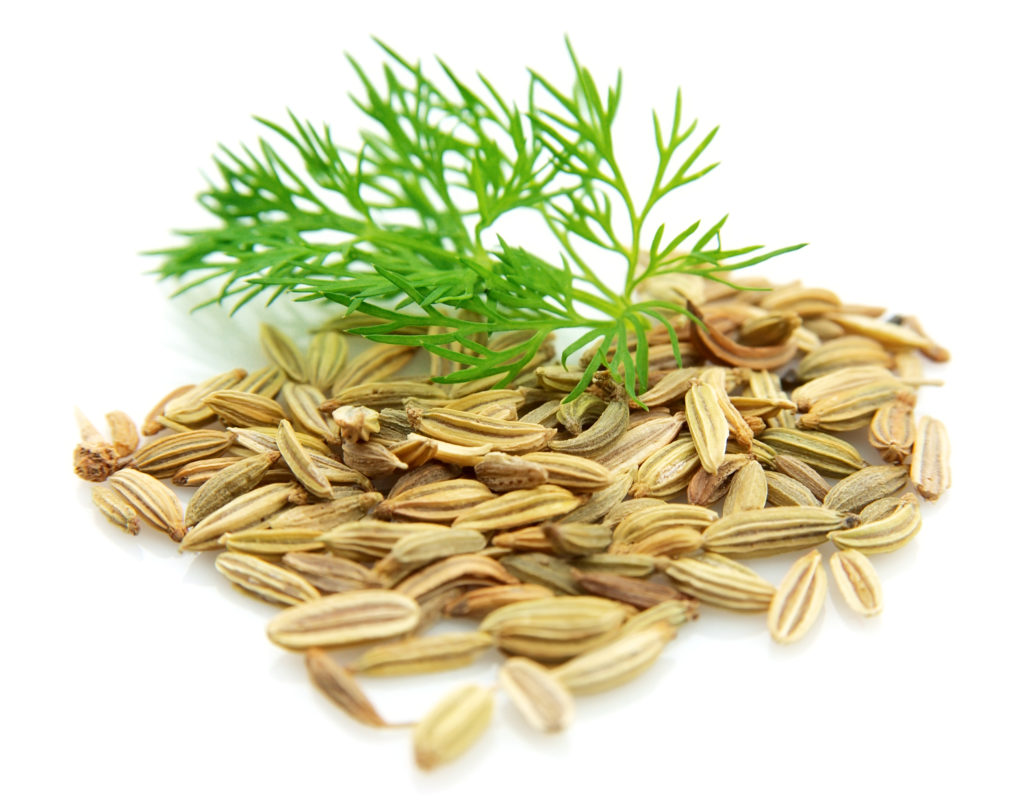
Fennel
Fennel is able to be grown as a herb or simply for its ferny foliage. It can also be grown as a vegetable for its swollen base and stem. It has a delicate aniseed flavour and is a great addition to salads or even as a garnish. It has a multitude of uses as it can also be used to help soften chapped hands.
