
Sure, you cannot ignore the climate factor when it comes to growing crops, especially vegetables. However, you can still achieve pretty good results with some resolve and preparation.
First, gardening takes time and patience. This means that with some perseverance and a little bit of luck, you’ll be able to savour some delicious home-grown vegetables in your meals.
This guide will review all you need to know to be ready. Growing your own veggies is an excellent way to save a pretty penny and be environmentally minded. But let’s take an in-depth look at the specifics below!
Climate Factors in Vegetable Gardening
First, let’s point out the obvious. You need to factor in the climate specifics if you want a strong yield from your garden. After all, different weather impacts vegetation development differently.
When selecting varieties for specific regions, it’s crucial to know how to adapt to unexpected weather trends.
For instance, vegetation resilient under hot temperatures will generally flourish in environments with high heat, while those requiring lower temperatures can struggle.
Weather extremes demonstrate that some vegetables can thrive in various conditions, making them suitable for diverse climates.
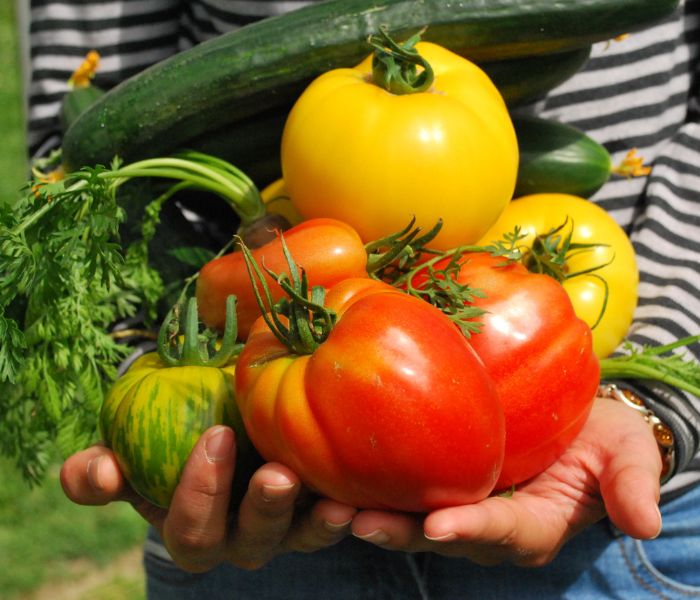
Adding heat-favouring vegetables like tomatoes and sweet peppers to your garden mix in the UK’s unpredictable climate could yield rewarding outcomes.
Similarly, low-maintenance garden plants adept at cooler temperatures, like carrots and potatoes, will survive better.
Designing your grow with resilient, temperature-flexible varieties helps mitigate risks and minimise negative impacts on harvest capacity.
Seek advice from experienced local gardening services to gain insightful knowledge. This helps you identify the types of plants that prosper in your specific weather conditions, promoting economical vegetation growth.
Thriving in Warm Climates
Understanding how to deal with the weather is crucial for gardening in hot places. Picking the right veggies can ensure that you get lots of crops, even when it’s scorching outside.
Tomatoes love the heat. Start by planting seeds inside and moving them outside once it’s not freezing anymore. They do well in well-draining soil and need regular watering. Using stakes or cages stops them from falling over, and mulch keeps the soil moist and warm.
Peppers, spicy or sweet, also love the sun. Plant them after the last frost in well-draining soil and water them regularly.
They need at least six to eight hours of sunlight each day to grow well. Black plastic mulch keeps the soil warm, and a bit of balanced fertiliser now and then helps them grow.
Okra is perfect for landscapes in hot weather. Plant seeds directly in the ground in late spring when the soil is warm.
They need around eight hours of sun and do fine with less water, but watering regularly makes them grow better. These sun-loving plants will keep your garden full of fresh stuff all summer long.
Easiest Vegetables to Grow in Cold Climates
Inclement weather can certainly make gardening challenging, yet veggies such as kale, carrots, and peas paradoxically flourish in chilly conditions. These resilient vegetables endure the cold and often boast better flavour profiles following a light frosting.
Kale, in particular, is a rugged and leafy green that excels in cold climates. Plant it at the onset of spring or close to autumn for a healthy fall harvest.
It requires considerable sunlight, but adapts to tolerate some shade. Protecting it overnight, with proper hydration and drainage, ensures a steady supply of fresh greens in chilly seasons.
Carrots, meanwhile, thrive in temperate climates. Sow them directly into the ground during the soft ground stage, generally weeks before the final frost.
They flourish in loosened, sandy soil free from stones and imperfections for optimal root development. Mulching is also crucial for regulating soil conditions for these plants.
Allow them to ripen in the soil. This process enables them to soak up a soft layer of frost, which enhances their flavour. A wonderful feature in your winter dining experience!
Peas, including snow peas and snap peas, prosper equally in cold climates. Begin planting them as soon as the ground can be worked in the spring. They particularly require well-drained soil and support derived from a trellis.
Row covers offer unexpected frost protection. Peas significantly benefit the soil while thriving in cold temperatures, making them a smart choice for every garden.
With careful preparation, you can cultivate these cold-hardy vegetables. Even better, you’ll be able to enjoy them even during winter’s chill. Kale and carrots will produce a productive garden even during the colder seasons.
Easiest Vegetables to Grow in Humid Climates
Vegetables that excel in environments with high humidity include eggplants, cucumbers, and leafy greens such as lettuce and spinach.
Eggplants thrive in warm and humid conditions. Good soil drainage and a planting distance of 18–24 inches are essential for healthy growth. Spaciously arranging plants also maintains sufficient airflow.
Cucumbers thrive remarkably under humid and warm environments. To optimise these conditions, plant them about three feet high in planters.
Removing surplus foliage from the plants can prevent diseases common in moisture-dense environments.
Mulching not only promotes moisture retention but also eliminates weeds, an advantage particularly applicable in swamps and marshy environments.
Lettuce and spinach spearhead leafy greens, whose consistent performance can be attributed to their aptitude for handling humid weather.
Strategic harvesting ensures continual production. This allows horticulturists to gather substantial produce even in challenging weather conditions, which is probably the best way to maximise gardening in such environments.
Easiest Vegetables to Grow in Dry Climates
These conditions can sometimes prove to be a real challenge for gardeners. However, less water doesn’t necessarily mean a meagre harvest. You can still easily cultivate impressive edible wonders such as zucchini, squash, and beans.
Zucchini particularly enjoys parched environments. After planting them in soil rich in compost, ensure that they receive copious sunlight. Also, maintain a buffer space of approximately 3 feet to facilitate smooth airflow.
Dampen the growing conditions by spreading mulch and utilising drip irrigation. The latter sends water directly to the roots, which will have quite good results.
Whether it’s summer or winter, squash flourishes in dry conditions. They thrive in balmy weather and favour raised locations that promote effective drainage and convenient irrigation.
Mulching duties also help maintain moisture levels. These plants quickly develop and, in response to regular pickings, experience a yield boost. Just retain a steady watering routine, and they will perform fabulously.
Beans, including bush and pole beans, prosper in dry regions, demanding minimal water. Ensure a plantation in warm, frost-free soil with passable drainage and provide about 6 inches between each plant.
A layer of mulch shields your plants from a lack of water. Meanwhile, a drip irrigation system in the morning delivers water directly and effectively to their roots.
Selecting these edibles allows gardeners to conserve water resources while savouring a fruitful harvest. Gardening techniques like mulching and drip irrigation insulate your plants against dry spell stresses.
Importance of Soil Quality and Preparation
Focus on the soil for a great veggie garden. It’s like the backbone of everything you grow. You want it packed with nutrients, able to hold onto water, and full of good little critters.
First, check the soil’s pH, which should be around 6.0 to 7.0. You can easily snag a home testing kit for this. Vegetables usually like their soil a bit acidic.
If the pH is a bit off, you can do two things. Add lime to lower the acidity or sulfur to bump it up. Lastly, to make it richer, use a bit of compost or old manure. Water retention will also improve as a result of this.
Using natural mulch is also a smart move here. It will keep the soil moist above all but it will also feed it as it breaks down. Plan rotation each season will also keep your gardening patch healthy.
By getting your soil in top shape, your plants will grow strong and tough. Chatting with local gardeners can give you some great tips for your area’s weather, or you could just hire them to do the job for you.
Conclusion
Cultivating your own vegetables doesn’t have to be a complex task, regardless of your living conditions. Simply choose the appropriate plants for your local climate and follow useful gardening advice.
Why not start today? Choose veggies that grow well where you live; soon, you’ll be munching on fresh greens from your garden.
Good luck to you and happy gardening!