

Certain ailments tend to come up later in life. Diabetes, heart disease, osteoarthritis, and memory loss are some of the most common illnesses that afflict many older people. Diseases and health conditions are influenced by many factors, including heredity, environment, and socioeconomic circumstances.
Lifestyle also plays a significant role in age-related diseases, and it’s one factor that you can leverage to stay healthy for life. Maintaining these healthy lifestyle habits can do a lot to keep your body and mind fit as you age. For more health related articles once you’ve read this, check out Rolling Paper.
Eat Right
As a person grows older, their bodily functions start deteriorating. By the time they reach their sixties, their body is working much slower and less efficiently than it did before. Their metabolism and digestive system slow down, which means overeating sugar and fat can cause more trouble to their body now than when it would have they were younger.
Eating high-fibre fruits and vegetables and whole grains, as well as food rich in antioxidants. It also aids in bodily functions, boosts the immune system, and protects against cell damage, helping prevent illnesses and manage chronic conditions.
Exercise Regularly
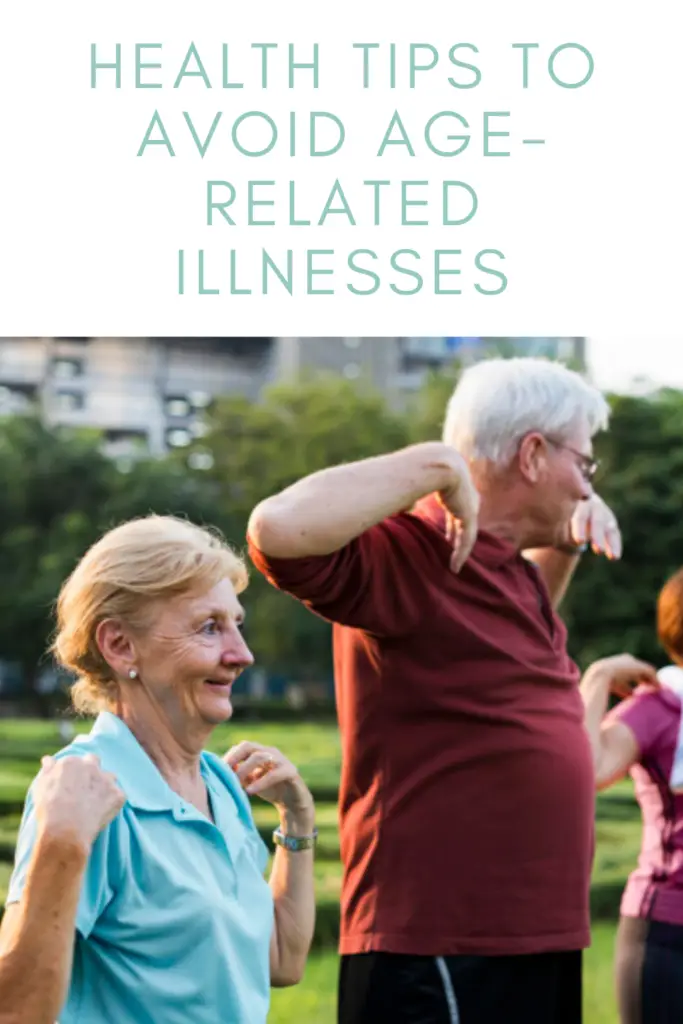
Older adults ages 65 and up should get about 150 minutes of moderate-intensity exercise every week, which is recommended by most health professionals. It’s no secret that regular exercise strengthens muscles, bones, and the immune system.
To reach 150 minutes of exercise weekly, an older adult can integrate physical activities, like walking, cycling, swimming, or aerobic exercises, in their daily routine.
Stay Up-to-Date with Vaccinations
For seniors, contracting a common illness can lead to severe complications or secondary infections. That is why it’s vital to stay up-to-date on vaccinations. The NHS in the UK and the US Centres for Disease Control and Prevention recommends adults who are 65 years or older to get vaccinations for shingles and pneumococcal disease. The pneumococcal vaccine is only given once and protects a person against severe pneumococcal infections, including meningitis, pneumonia, and sepsis. The NHS also recommend those over 65 to have an annual flu vaccine.
Avoid Tobacco, Alcohol, and Drugs
The adverse health effects of tobacco, alcohol, and illegal drugs are well documented in many studies. Smoking, firsthand, secondhand, or thirdhand, leads to a higher risk of respiratory illnesses, heart failure, lung cancer, and stroke.
Abusing alcohol over a long period can cause liver and heart damage, immune system disorders, and certain cancers. Further, long-term exposure to alcohol causes the frontal lobe of the brain to become smaller.
Like the other two must-avoid substances, illegal drugs can exacerbate chronic conditions and bring a host of physical and mental maladies to anyone who takes them, especially over a long period.
Any of these substances can make the body dependent on them, compelling a person to continue smoking, drinking, or taking drugs, further ruining their own body and mind. There are plenty of resources available to help quit these substances, such as a quit smoking guide, support groups and telephone helplines.
Protect Yourself against the Sun
Although the sun brings many health benefits, too much of it can be extremely harmful to anyone, including older adults. Hence, it’s essential to stay protected against the sun when outside.
Always wear a broad-spectrum sunscreen that guards against UVA and UVB rays and has SPF 15 or higher to prevent sunburn and skin cancer.
Stay indoors between 10:00 a.m. to 2:00 p.m., when the sun is at its strongest. When going outside, wear protective clothing, like long-sleeved shirts, long pants, hats with wide brims, and sunglasses.
Manage and Relieve Stress
Chronic stress can weaken the immune system, cause serious health problems, and worsen existing health conditions. Avoid getting stressed or stressful situations as much as possible. Get away from environments of people bringing a lot of stress, and pursue stress-management activities.
Staying active, practising mindfulness exercises, and starting a new hobby can be excellent ways to control stress levels and prevent stress-related illnesses.
Many older adults also suffer from debilitating loneliness, which increases their risk of certain illnesses, including heart disease and common infections. Prevent loneliness by going out and socialising. Join hobbies-and-interests communities and groups to find people to connect with. Talk with family members and friends whenever you feel lonely.
Don’t Skip Annual Doctor Visits
Doctor visits and health screenings, which use advanced medical sensors and equipment, are enormously important for older adults. It’s one way they can keep track of their health and know what they can do to take care of themselves.
When an individual hits their fifties, there are a number of tests and screenings they must undergo yearly to test for serious illnesses and make sure their body is fit. These tests include a blood-pressure check, blood test for lipids, eye exam, hearing test, and bone density test. For men, there’s an additional prostate cancer test; for women, mammogram, Pap smear, and pelvic exam.
Staying Healthy during Old Age
Age-related illnesses are not entirely unavoidable. If you don’t have an existing health condition, you can stay that way by maintaining healthy habits. Even if you do, taking care of your health can prevent an illness from worsening and contracting other diseases.
Exploring Prescription-Based Support
Some older adults look into compounded medications once diet and exercise alone stop moving the needle on energy, sleep, or focus. Peptides are one category that has drawn attention here, with specific compounds tied to different goals rather than one all-purpose fix. Patients curious about the calming and cognitive-focused end of that range sometimes ask their doctor about a Selank prescription, which is dispensed through licensed 503A pharmacies after a consultation. The process usually starts with an intake review and continued doctor support rather than a one-time order, so dosing can be adjusted over time. Anyone weighing this route should bring their current medications and screening results to that conversation.
There’s no shortcut when it comes to health. It takes a constant and consistent practice of good habits to be healthy for a lifetime. You must invest in taking care of yourself now if you want to stay healthy later.
collabirative post