
collaborative post
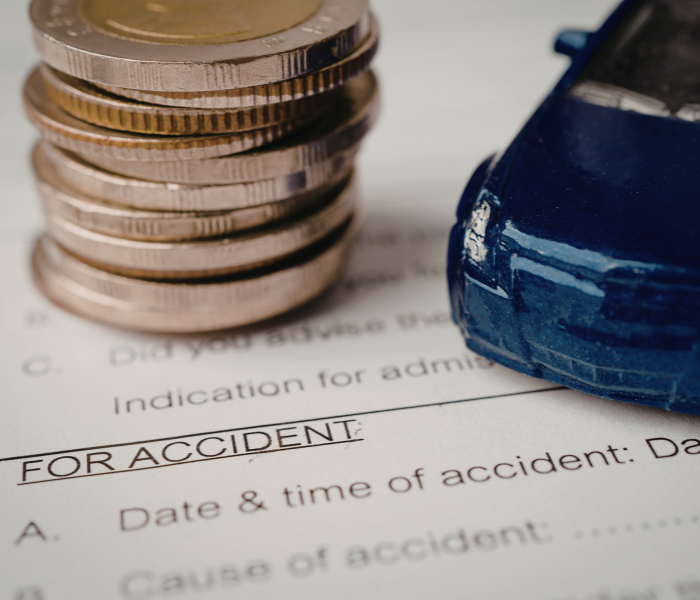
Owning a car offers freedom and convenience, whether you’re commuting to work, doing the school run, heading out for a family day trip or travelling further afield. However, buying a vehicle is only the beginning of the financial commitment. Drivers need to consider plenty of ongoing expenses, and some can come as an unwelcome surprise.
From fuel and insurance to servicing, replacement tyres and unexpected repairs, the true cost of owning a car can be considerably higher than the initial purchase price.
Whether you’re buying your first vehicle, upgrading your current car or simply trying to manage your household budget, understanding these costs can help you plan ahead and avoid unnecessary financial stress.
The Initial Cost of Buying a Car
The purchase price is usually the biggest initial expense when buying a vehicle. Whether you choose a brand-new model or a second-hand car, set a realistic budget before you start looking.
If you’re buying outright, consider how much of your savings you want to commit. Alternatively, if you’re considering car finance, make sure you understand the monthly repayments, interest rates, deposit requirements and any final payment.
Popular finance options include Personal Contract Purchase (PCP) and Hire Purchase (HP). Both allow you to spread the cost of a vehicle, but they work differently and have their own terms and conditions.
Remember that a car starts depreciating as soon as you become its owner. Depreciation is the reduction in a vehicle’s value over time, and it can be particularly noticeable during the first few years of ownership.
Understanding depreciation is important, especially if you’re purchasing a vehicle using finance.
Car Insurance and Protecting Your Vehicle
Car insurance is an essential expense for drivers, but choosing a policy involves more than simply finding the cheapest annual premium.
Your insurance costs can depend on several factors, including:
- Your age and driving experience.
- Your location and where you keep the vehicle overnight.
- The make, model and value of your car.
- Your annual mileage.
- Your previous claims history.
- The level of cover you choose.
Comprehensive insurance generally provides broader protection than third-party cover, although the exact benefits depend on the policy.
It’s also worth considering what would happen financially if your vehicle were stolen or written off following an accident.
A standard motor insurance payout is generally based on the vehicle’s market value immediately before the incident. However, if your car has depreciated significantly, this amount may be considerably less than what you originally paid.
This is where Gap Insurance can be useful. Gap Insurance covers certain financial shortfalls between your motor insurer’s settlement and the amount specified in your Gap Insurance policy.
For example, if you’ve purchased a vehicle using finance, the insurance settlement might not be enough to clear the outstanding finance balance. Depending on the policy, Gap Insurance can help cover this difference.
Different types of cover are available, including Finance Gap, Return to Invoice, and Vehicle Replacement policies.
It’s worth researching providers such as Direct Gap to explore your options and see whether additional protection suits your vehicle and financial circumstances.
Always check the policy wording, eligibility requirements, exclusions and claim limits before purchasing.
Fuel and Everyday Running Costs
Fuel is another significant expense for most motorists, particularly if you regularly commute or cover long distances.
Your spending will depend on the type of vehicle you drive, its fuel efficiency, and current fuel prices.
If you’re trying to reduce your motoring expenses, there are several simple habits that can help:
- Avoid unnecessary journeys where possible.
- Keep your tyres inflated to the recommended pressure.
- Remove unnecessary heavy items from your boot.
- Avoid excessive acceleration and harsh braking.
- Plan journeys to reduce unnecessary mileage.
- Compare fuel prices in your local area.
Also consider fuel economy when choosing your next vehicle. A car that costs slightly more initially but offers better fuel efficiency could prove more economical over several years.
Servicing, MOTs and Routine Maintenance
Regular maintenance is essential to keep your vehicle safe, reliable, and roadworthy.
In the UK, most cars over three years old require an annual MOT test. However, an MOT certificate doesn’t replace regular servicing, so keep up with your manufacturer’s recommended maintenance schedule.
Typical maintenance expenses include:
- Oil and filter changes.
- Replacement air and fuel filters.
- Brake pads and discs.
- Battery replacement.
- Windscreen wipers.
- Coolant and other essential fluids.
- Timing belt or chain maintenance, where applicable.
Although these expenses can seem frustrating, addressing small problems early can help prevent more expensive repairs later.
If you’re buying a second-hand vehicle, checking its service history and previous MOT records can also give you a better idea of its condition.
Don’t Forget Tyres and Alloy Wheels
Tyres are one of the most important safety features on your vehicle, but they’re also an expense that drivers sometimes overlook when planning their motoring budget.
Tyres naturally wear down through everyday use, and eventually they’ll need replacing. However, normal wear and tear isn’t the only reason you might need a new tyre.
Potholes, sharp objects, road debris and accidental kerb impacts can all cause unexpected damage.
Alloy wheels can also become scratched, scuffed or damaged through everyday driving. Depending on the severity, repairs or replacements can be surprisingly expensive.
If you have expensive tyres or alloy wheels, it may be worth looking into additional protection.
For example, tyre and alloy wheel insurance can provide cover for certain types of accidental damage, subject to the individual policy terms and conditions.
Direct Gap offers tyre and alloy wheel insurance for motorists looking for additional protection against eligible repair and replacement costs.
Before taking out a policy, check exactly what is covered, including claim limits, excesses, exclusions and any restrictions relating to existing damage or normal wear and tear.
Understanding the available options can help you decide whether this additional protection is worthwhile for your vehicle.
Unexpected Repairs and Emergency Expenses
Even the most reliable vehicles can develop problems, and unexpected repairs can quickly put pressure on your household finances.
A faulty alternator, damaged suspension, a leaking radiator, or an electrical problem can all result in an unexpected garage bill.
That is why it’s sensible to set aside a separate vehicle maintenance fund if your budget allows.
Setting aside a small amount each month can build a financial cushion for future repairs, replacement parts, or other unexpected motoring expenses.
If you rely on your car for work, family commitments or everyday journeys, having some money available for emergencies can be particularly reassuring.
It’s also worth researching local garages and comparing prices for routine maintenance rather than automatically choosing the first option available.
Road Tax, Parking and Other Expenses
Several smaller motoring expenses can easily be forgotten when calculating the cost of owning a car.
Depending on where you live and how often you drive, these might include:
- Vehicle excise duty (road tax).
- Residential parking permits.
- Pay-and-display parking.
- Tolls and congestion charges.
- Car washes and cleaning products.
- Breakdown cover.
- Replacement number plates.
- Windscreen repairs.
These costs may seem insignificant individually, but they can add up over a year.
If you’re budgeting for a new vehicle, include these smaller expenses rather than focusing only on the larger payments.
How to Reduce the Cost of Owning a Car
Although owning a car can be expensive, there are plenty of ways to keep your motoring costs under control.
Compare insurance annually. Don’t automatically renew without checking whether another provider offers more suitable cover at a better price.
Keep up with maintenance. Regular servicing and routine checks can help identify potential problems before they become more serious.
Drive efficiently. Smooth acceleration, sensible braking and maintaining the correct tyre pressure can all help improve fuel economy.
Plan ahead for replacement parts. If you know your tyres, brakes or battery are approaching the end of their useful life, you can start budgeting rather than being caught off guard.
Review additional protection. Consider whether products such as Gap Insurance or tyre and alloy wheel insurance suit your circumstances.
Create a monthly motoring budget. Adding together your insurance, fuel, maintenance and other regular expenses gives you a clearer picture of what your vehicle really costs.
Owning a car brings plenty of convenience and independence, but it’s important to understand the financial commitment involved.
The purchase price and monthly finance payments are only part of the picture. Insurance, fuel, servicing, tyres, parking and unexpected repairs all contribute to the overall cost of motoring.
Taking time to research your options, compare insurance policies and plan for future maintenance can make owning a vehicle much easier to manage.
Whether you’re buying your first car or have been driving for years, a little financial preparation can help you avoid unwanted surprises and enjoy the freedom of having your own transport.