
Coastal driving can expose your car to salt, moisture, heat and sudden weather changes, all of which can reveal problems that are easy to miss at home. Before a long drive, allow enough time to inspect the tyres, brakes and battery without rushing. The NHTSA summer driving guidance also recommends checking fluid levels, cooling systems and essential equipment before setting out. A careful inspection is especially useful if the car has been parked for several weeks or will be carrying a full load of passengers and luggage.
Start with tyre pressure and condition
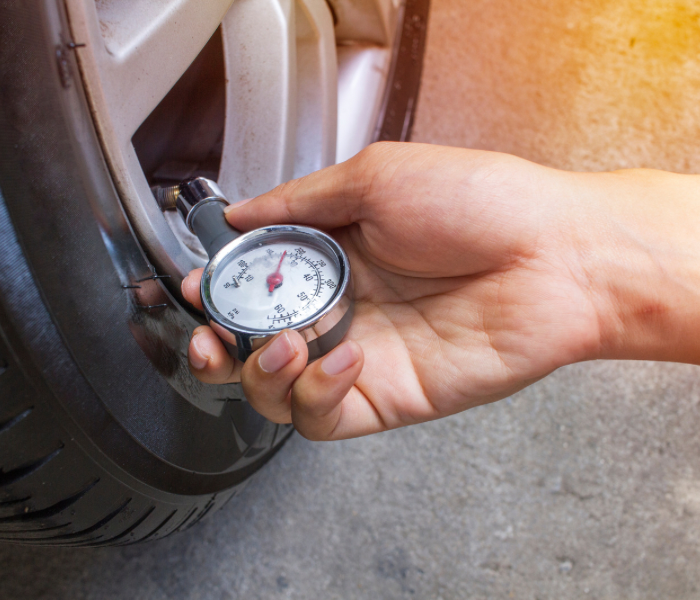
Check tyre pressures when the tyres are cold, using the figures printed on the vehicle placard or listed in the owner’s manual. The maximum pressure shown on the tyre sidewall isn’t the recommended everyday setting. Remember to inspect the spare tyre too.
Look across each tread for uneven wear, embedded objects, cracks and bulges. Uneven wear on one edge can point to an alignment or suspension problem. Tread depth also matters on wet coastal roads because deeper channels help move water away from the contact patch. If the steering wheel vibrates at speed or the car pulls to one side, arrange an inspection before leaving.
Know when to book a professional inspection
Some warning signs need more than a driveway check. Book a mechanic if you hear grinding from the brakes, notice fluid beneath the vehicle or feel persistent vibration through the steering wheel. A pre-trip inspection is also sensible when servicing is overdue, or the route includes steep roads, isolated areas or heavy holiday traffic.
Tell the workshop how far you plan to travel and what conditions you expect. That context helps the technician check the cooling system, belts, hoses and suspension alongside the main safety items. If you’re preparing a family vehicle, this guide to essential family car checks provides a useful broader checklist.
Test the brakes before the coast road
Press the brake pedal while the engine is running. It should feel firm and consistent, without sinking gradually toward the floor. During a short test drive on a quiet road, listen for squealing, scraping or knocking and notice whether the car pulls left or right under braking.
A soft pedal, longer stopping distance or dashboard warning light calls for prompt attention. Coastal routes can include repeated hills and bends, which place extra demand on brake pads, discs and fluid. Don’t judge the system only by how it feels during slow trips around town. If the handbrake travels farther than usual or struggles to hold the car on a slope, include that detail when arranging a service.
Check the battery for heat and salt damage
Open the hood and inspect the battery case for swelling, cracks or leaks. The terminals should be secure and free from powdery buildup. Coastal air can promote corrosion, while high temperatures can accelerate internal battery wear. The effects of heat on car batteries are particularly relevant before a warm-weather road trip.
Slow cranking, dim lights at startup and repeated clicking can signal a weak charge. Many workshops and automotive retailers can test battery health in minutes. If you clean minor terminal corrosion yourself, switch the car off and follow the instructions in the owner’s manual. Never attempt work on a damaged or leaking battery.
Pack for delays and do one final walk-around
Finish with a slow walk around the car on the morning of departure. Check that the headlights, brake lights and indicators work, then confirm the windows and mirrors are clean. Look underneath for fresh leaks and make sure no warning lights remain illuminated after startup.
Secure luggage so it can’t shift during sharp braking. Carry drinking water, a phone charger, basic first-aid supplies and the equipment needed to change a tyre if your car has a usable spare. Save roadside assistance details somewhere accessible without relying solely on mobile data. Just before pulling away, check that every passenger is properly restrained and that nothing blocks your rear view.
A ten-minute final check can catch a soft tyre, a failed light, or a slow start before it becomes a roadside delay. Once the car is loaded, take a short drive close to home and pay attention to any new noise, smell or change in handling before joining the main road.
collaborative post