
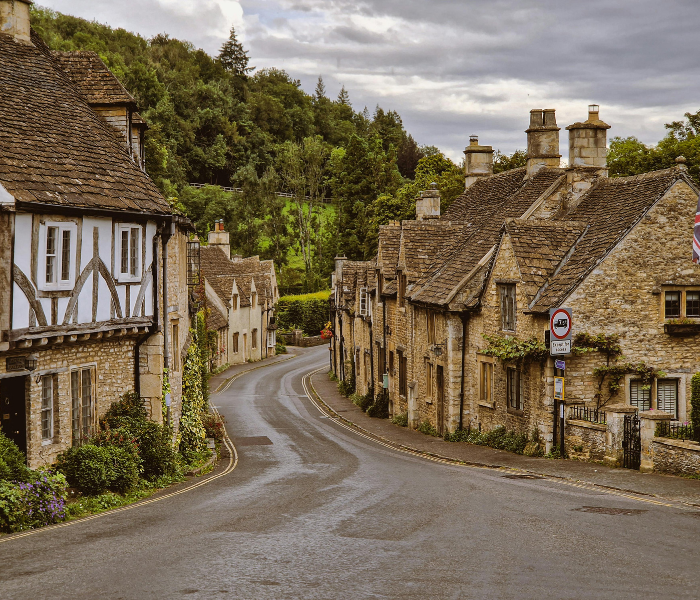
Traditional stone villages have a character that newer developments often struggle to recreate. Their appeal comes from more than picturesque streets and weathered buildings. Local materials, practical design and skilled workmanship connect each village to its surroundings. Even after centuries of change, these places can still feel welcoming and remarkably suited to daily life.
The Enduring Charm of Vernacular Design
Vernacular design develops in response to local climate, available materials and community needs. Thick walls help stabilize indoor temperatures, while compact street patterns offer shelter from wind and strong sun. Roof pitches, window sizes and building positions also reflect the weather residents have learned to live with.
Stone gives each area a recognizable identity. The warm tones seen in Spanish stone architecture create a different atmosphere from the gray cottages of northern Europe, yet both feel rooted in place.
You can borrow this principle at home by studying nearby historic buildings before choosing exterior finishes. Matching regional colors, proportions and textures often produces a more settled appearance than copying a style from somewhere with different materials or conditions.
Craftsmanship Behind Traditional Walls
A traditional stone wall may look simple, but its stability depends on careful selection and placement. Masons assess each piece for shape, weight and potential position. Larger stones often form secure lower courses, while smaller pieces fill gaps and help distribute pressure through the structure. Corners and openings require particular care because these areas carry changing loads.
If you’re planning a boundary wall, extension or garden feature, review examples of walling stone to understand how differences in size, color and finish affect the completed work. Ask a qualified mason to explain the proposed bond, joint width and coping detail before construction begins.
Good workmanship also respects small irregularities. Slight variations create depth and prevent the surface from looking flat or overly uniform, while sound construction keeps those variations controlled.
How Natural Materials Weather Through Time
Stone changes gradually as it encounters rain, sunlight, frost and airborne particles. Edges soften, colors deepen and small surface marks become part of the building’s appearance. Moss or lichen may settle in damp, shaded areas, adding another layer of texture.
Different stones weather at different rates. Dense stone generally absorbs less water, while more porous varieties need careful detailing to stop moisture from collecting around joints and ledges. Local climate matters too. Repeated freezing and thawing can place stress on saturated masonry, while salt carried through coastal air may affect exposed surfaces.
Regular checks help old walls age safely. Look for open joints, loose coping stones, blocked drainage and cracks around doors or windows. Gentle maintenance is usually best. Harsh pressure washing can damage softer surfaces and remove the established patina that gives an old village building much of its character.
Preserving Heritage in Modern Times
Historic villages need to remain practical places to live, not static displays. Sensitive upgrades can improve comfort while retaining the details that make each building distinctive. Repairs should use compatible materials, especially where older walls rely on breathable construction that allows moisture to escape.
The Council of Europe’s report on rural vernacular heritage places traditional buildings within their wider setting, including settlement patterns, local knowledge and shared spaces. That broader view is useful when considering new windows, extensions or energy improvements.
Before altering an older property, document its current features with clear photographs and seek advice from someone experienced in traditional construction. Keep original stone where it remains sound and choose repair methods that can be reversed where possible. A carefully repointed wall or repaired stone doorway lets the village continue changing without losing the craftsmanship written into its streets.
Traditional stone villages endure because time becomes visible in them. Every repaired joint, softened edge and carefully reused stone adds another chapter without erasing the earlier ones.
collaborative post