
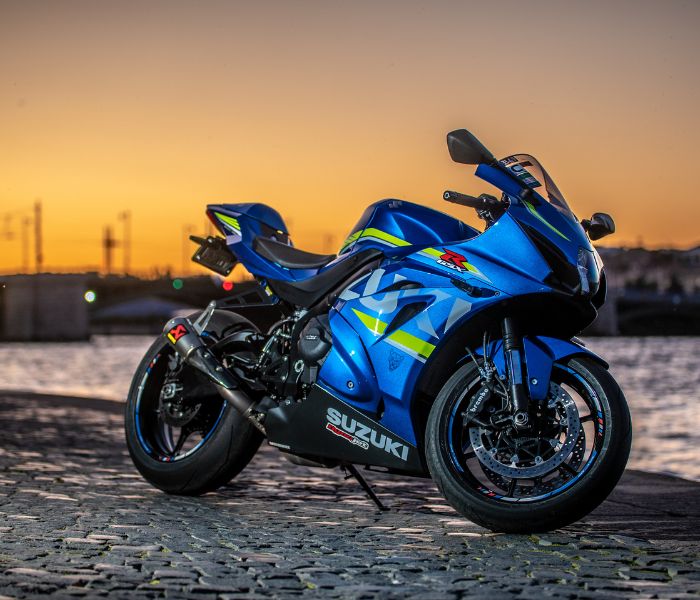
Selling a motorcycle on your own isn’t always easy. Between listing it online, dealing with buyers, and negotiating offers, the process can drag on for weeks—sometimes even months. That’s why many riders in Chandler and beyond choose to trade in their bikes instead. It’s faster, hassle-free, and lets you put the value directly toward your next ride.
But here’s the catch: not all trade-in deals are created equal. Some riders walk away with a fair price, while others unknowingly settle for less. The difference? A little preparation. But fret not! This blog is here to share all the key steps you need to take to get the best deal possible.
Know Your Motorcycle’s Market Value
Before you step into a dealership, take some time to research your bike’s current value. Knowing what your motorcycle is worth puts you in a stronger position during negotiations.
Start by checking resources like Kelley Blue Book and NADA Guides. These tools give you an estimated trade-in value based on your bike’s model, year, condition, and market demand. Also, browse local listings to see what similar motorcycles are selling for. If private sellers are getting good offers, dealerships might be willing to match or come close.
Choose the Right Dealership
Not all dealerships will offer the same trade-in value, so where you go matters. Some are more focused on new sales. Meanwhile, others rely on a strong pre-owned inventory, meaning they need quality trade-ins. A quick way to spot a good one?
Check their website. A legit one will have a dedicated trade-in section, customer reviews, and possibly even instant cash offers. If riders consistently mention fair pricing and an easy process, that’s a great sign. It also helps to look for dealerships like RideNow Chandler, which has a strong track record in reselling pre-owned bikes. They know the resale market inside and out and are more likely to offer competitive trade-in deals.
Keep Your Bike in the Best Condition
First impressions matter—even for motorcycles. A well-maintained bike looks more appealing and can fetch a higher trade-in price. For this, start with a deep clean. Wash off dirt, polish the chrome, and wipe down the seat.
A clean bike signals that it’s been cared for. If your motorcycle has minor scratches, consider using a touch-up paint kit. Next, check basic maintenance. Are the tires in good shape? Do the brakes feel solid? Simple fixes, like topping off fluids or replacing a worn-out chain, can make a difference.
Gather All Necessary Documents
Paperwork plays a huge role in how quickly and smoothly your trade-in goes. The more prepared you are, the better. Start with the basics:
- Title & Registration – Proof of ownership is required for any trade-in.
- Maintenance Records – A well-documented service history can show that your bike has been taken care of.
- Extra Keys & Accessories – If you have a spare key, original toolkit, or factory accessories, bring them along.
Having all these ready can sometimes lead to a better offer. A dealership sees a well-documented motorcycle as less of a risk, which can work in your favor during negotiations.
Consider Timing for the Best Offer
Did you know that the time of year can affect your trade-in value? Just like car sales, motorcycle trade-ins fluctuate with demand. Spring and summer are peak riding seasons, which means dealerships are more willing to pay a premium for used bikes.
If you’re trading in during fall or winter, you might get a lower offer simply because there’s less demand. Also, keep an eye on new model releases. When a new version of your bike comes out, older models tend to drop in value. If you’re planning to upgrade, trading in before the latest models hit the showroom can help you get a better deal.
Negotiation Tips for a Better Deal
Once you get an offer, don’t feel pressured to accept it right away. A little negotiation can go a long way.
- Use Your Research – If your bike’s market value is higher than the offer, mention it. Some dealerships may adjust their price.
- Consider Bundling – If you’re buying a new bike at the same time, ask if they can work the numbers in your favor.
- Be Ready to Walk Away – If the offer seems too low, don’t hesitate to explore other options. A dealership that really wants your bike might reconsider and improve the deal.
Closing Lines
Trading in your motorcycle doesn’t have to be a gamble. A little research and preparation can help you get the best possible deal. Take the time to clean up your bike, gather your paperwork, and compare offers. When you do it right, you’ll be riding off on your next adventure with confidence.