
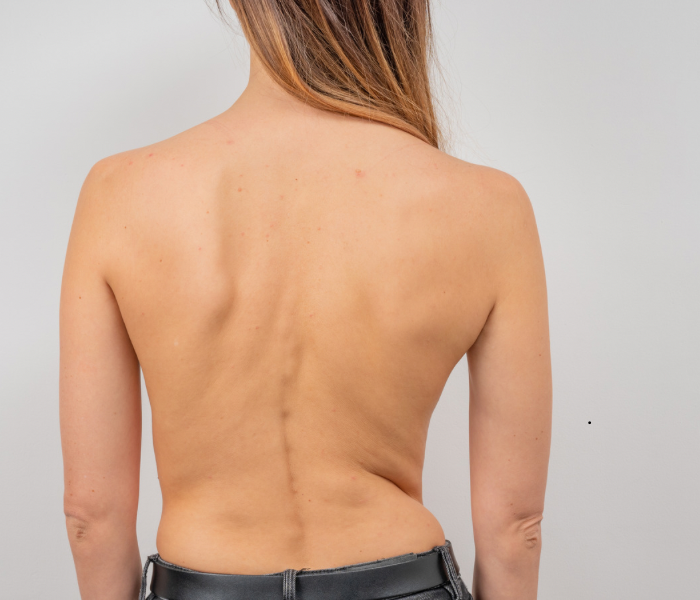
Scoliosis is a painful condition that manifests as an abnormal lateral curvature of the spine and forms within people globally. It is a highly variable condition, from the minimal impact of some curves to those having grave consequences such as pain and affecting quality of life. The importance of treatment is to rein symptoms, prevent further progression and retain functional abilities. Various treatments for scoliosis are discussed in this article.
What Is Scoliosis?
Scoliosis occurs when the spine bends more to one side than it should, leading to a sideways curve that looks like an S or C. This curvature can develop in childhood or adolescence during growth spurts, but it can also occur later in life due to other reasons and/or degenerative changes.
Scoliosis can be categorised into idiopathic, congenital, and neuromuscular types. Idiopathic occurs during adolescence, while congenital scoliosis occurs due to existing spine malformations. Neuromuscular scoliosis can be linked to conditions like cerebral palsy or muscular dystrophy.
Observation and Monitoring
Observation may be the first course of action for people with mild scoliosis, especially children and adolescents whose spines are still growing. Throughout this time, healthcare providers continually watch closely and scrutinise the curvature of one’s spine using regular check-ups so that it can be assessed for progression and need for intervention.
Most people observe spinal curvature less than 20 degrees without pain or daily life issues, which healthcare providers use to identify changes in the curve and determine if more aggressive treatments are necessary.
Bracing for Scoliosis
Bracing may be recommended if a speck of scoliosis gets moderate, particularly in developing kids and high school understudies. The main aim of bracing is to cease the progression of spinal curvature while your child grows. These back braces are intended to exert corrective pressure onto the spine and are typically worn for several hours daily.
Types of Braces
Braces are used according to the requirements of different areas.
- Boston Brace: Another popular option, the Boston brace wraps around your body and under your arms to help straighten your spine from the outside.
- TLSO (Thoracic-Lumbo-Sacral Orthosis) Brace: Supports the lower and middle spines
- Milwaukee Brace: This brace covers the torso and neck and is used much less frequently now but was once considered a classic treatment.
Physical Therapy
Physical therapy is also a key element in scoliosis treatment. It is good for those wishing to correct their posture, strengthen the muscles that maintain an upright spine, and alleviate pain. Although physical therapy cannot reverse spinal curvature, it can significantly improve quality of life and function.
Physical therapy focuses on strengthening core muscles and improving flexibility, targeting spine-related muscles for pain relief. Stretching exercises improve flexibility and joint stiffness, while posture training ensures proper spine positioning, reducing future complications. These exercises help maintain mobility and reduce joint stiffness.
Chiropractic Care
Some people seek chiropractic care to manage scoliosis symptoms. Chiropractic care addresses these issues using spinal adjustments and other methodologies to correct misalignments, balance muscles, and reduce inflammation. This isn’t a cure for scoliosis, but it can relieve symptoms and help keep your spine healthy.
Chiropractic care involves adjustments to restore misalignments and improve spinal function. It should be used alongside other therapies under healthcare provider supervision to manage and enhance physical function rather than replacing them.
Surgical Interventions
In situations of severe scoliosis, or when other treatments have failed to improve this curvature and oblige the spinal stalk sturdy, spinal fusion, the most common procedure intended to stop curve progression, involves fusing two or more vertebrae with bone grafts and hardware such as rods, screws and plates to prevent further curvature.
For instance, expandable growing rods can be implanted in a very young child with progressive deformities to support their spine, allow spinal growth, and maintain curve curves. Surgery can also be highly effective but carries the risks of infection, nerve damage or a need for other surgeries. Most importantly, detailed pre-operative work-up and careful follow-up are mandatory to ensure excellent results.
Pain Management
Scoliosis pain management is crucial for a better quality of life. Over-the-counter pain relievers like NSAIDs can help manage shoulder blade aches. If back pain is severe and conservative measures haven’t worked, epidural steroid injections may be used as temporary relief.
Lifestyle adjustments can also help alleviate discomfort. However, these methods may only marginally increase productivity. Overall, managing scoliosis pain is essential for overall well-being.
Conclusion
Treatment for scoliosis is a comprehensive approach that considers the severity of your condition and what you need as an individual. Based on a patient’s needs in handling scoliosis, suspected procedures may range from observation and bracing to overriding measures such as physical therapy, chiropractic care or even surgery.
Pain management and adjunctive therapies are additional ways to improve quality of life. In particular, discuss with your doctor ways to reduce stress. Working with the healthcare team and following a combination of strategies, including physical therapy, social work intervention, or other treatments, will help optimise results and allow for independence.