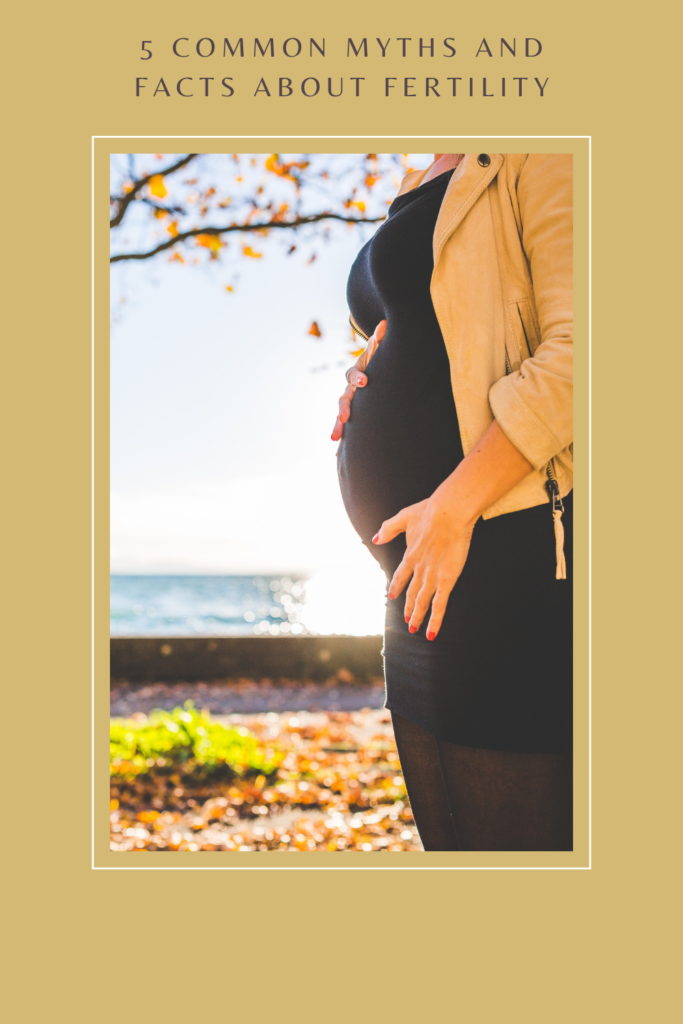
There’s no doubt about it, fertility is a minefield. So much is written about fertility struggles and it can make for an intimidating read, especially when you’re trying to get pregnant and becoming anxious about it.
It’s important to separate the fact from the fiction as increased stress and anxiety only harm your chances of becoming pregnant. I’ve rounded up the 5 common myths about fertility, and the facts that set the record straight:
Myth #1: You’ve got nothing to worry about – getting pregnant is a doddle!
If you’re trying to get pregnant and struggling, it’ll often be the case that well-meaning friends and family members will try to put your mind at ease. The problem is, they’ll tell you things like ‘just relax, it’ll happen!’, ‘I got pregnant so easily’, and ‘you’ve got nothing to worry about’. This might be the case, but it also might not be. If you’ve been trying for over a year and not having any luck, it’s time to consult medical advice.
Myth #2: Fertility problems only affect women
Women often needlessly blame themselves for their inability to get pregnant; they associate reproductive health with womb health. Here’s a reality check: infertility isn’t only a woman’s problem. In fact, men and women are just as likely as each other to experience fertility issues.
Myth #3: You can’t get pregnant if you’re over 35
It may be more difficult to get pregnant if you’re over 35, but it certainly isn’t impossible. Many prospective mothers chalk up their infertility issues to their age but much of the research on this issue is outdated. Women all over the world are having successful pregnancies into their 40s and 50s! For further information on this issue, read more here – Mylo’s article advises, at length, how long it might take for you to get pregnant.
Myth #4: Prolonged use of contraception causes infertility
There are so many horror stories about the effect of birth control on fertility, but try not to take them to heart! Many women become afraid to stay on the pill, for example, as they worry about its effect on their fertility. In reality, most women are able to ovulate within weeks of coming off birth control. Of course, there are variables involved, but around 80% of women who want to get pregnant within a year of stopping birth control can do so.
Myth #5: You must have a LOT of sex to get pregnant
By all means, have as much sex as you like! But there’s no guarantee that it will help you get pregnant faster. To be honest, sex every other day, or even sex during your most fertile days, should be all you need to conceive. Conception is about much more than timing, and there are a variety of physiological factors that impact whether you get pregnant each month. If it were only about timing, many more people would conceive the first time!