
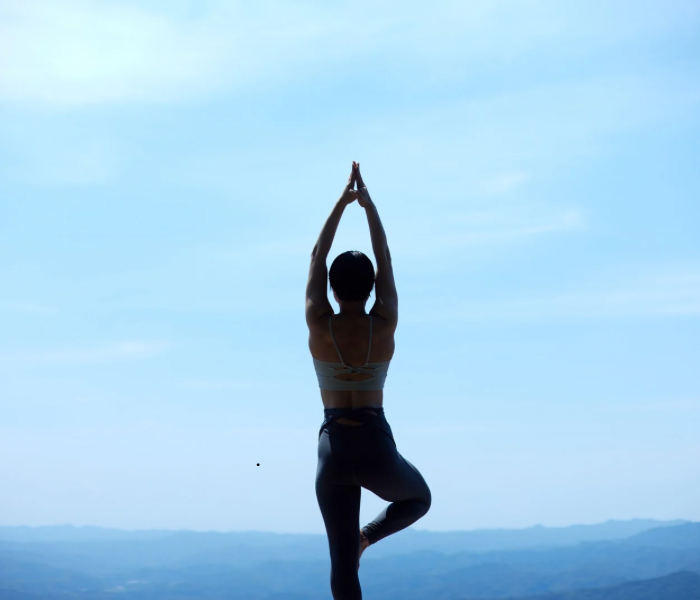
In a world that often demands constant motion, slowing down can feel like a luxury. Yet, mindful movement practices — like yoga, tai chi, and even simple stretching — remind us that slowing down isn’t a weakness. It’s healing. These gentle, intentional forms of movement help align the body and mind, offering a natural way to manage stress, anxiety, and emotional fatigue.
Mindful movement connects breath, body, and awareness, grounding us in the present moment. When practiced consistently, it not only improves flexibility and strength but also rewires the brain for calm and resilience.
What Is Mindful Movement?
Mindful movement refers to physical activity performed with full awareness — being fully present in how your body feels as you move. Unlike high-intensity exercise, it focuses on slow, deliberate motions, controlled breathing, and observation of sensations.
According to the American Psychological Association (APA), mindful movement can significantly reduce symptoms of stress and anxiety by engaging the body’s relaxation response and lowering cortisol levels (APA, 2020).
The key idea? Movement becomes meditation.
Yoga: Strength Meets Stillness
The Mind-Body Connection
Yoga is one of the most studied forms of mindful movement, combining breathwork (pranayama), physical postures (asanas), and meditation. It helps regulate the nervous system, strengthen self-awareness, and improve mood.
A 2021 Harvard Medical School study found that yoga practitioners experienced a 34% reduction in perceived stressand significant improvements in sleep and emotional regulation after just eight weeks (Harvard Health, 2021).
When practiced regularly, yoga stimulates the parasympathetic nervous system — the “rest and digest” response — reducing chronic stress and promoting emotional balance.
Mental Health Benefits of Yoga
● Reduces anxiety: Yoga helps decrease activity in the amygdala, the part of the brain responsible for fear and stress responses.
● Improves focus and clarity: Mindful breathwork increases oxygen flow to the brain, enhancing concentration.
● Lifts mood: Studies show yoga boosts gamma-aminobutyric acid (GABA) levels, a neurotransmitter that calms the nervous system and supports mood stability (Journal of Alternative and Complementary Medicine, 2018).
Try this: Begin your day with 5–10 minutes of sun salutationsor end with legs-up-the-wall pose (Viparita Karani). Focus on slow breathing — inhale deeply through the nose, exhale fully through the mouth.
Tai Chi: Moving Meditation
The Art of Flow
Tai chi, often called “meditation in motion,” originated in ancient China as a martial art. Today, it’s widely practiced as a slow, rhythmic sequence of movements designed to cultivate balance, calm, and energy flow (qi).
Each movement flows into the next, coordinated with deep, controlled breathing and mental focus. This integration of motion and mindfulness trains both body and mind to move with awareness — not haste.
A meta-analysis published in BMC Complementary Medicine and Therapies (2020) reviewed 37 studies and concluded that tai chi reduces depression, anxiety, and fatigue, particularly in older adults and individuals recovering from trauma.
Mental Health Benefits of Tai Chi
● Reduces stress hormones: Regular practice lowers cortisol and adrenaline levels.
● Enhances emotional regulation: The slow pace allows the mind to settle, reducing racing thoughts.
● Improves sleep and mood: A 2018 UCLA study found tai chi participants had a 25% improvement in sleep qualityand reduced depressive symptoms after 12 weeks.
Try this: Practice “cloud hands,” a gentle movement involving circular arm motions synchronized with slow breathing. As your arms float side to side, visualize your thoughts passing like clouds — temporary and light.
Stretching: Small Movements, Big Shifts
The Power of Gentle Release
Stretching may seem simple, but when done mindfully, it can release emotional tension stored in the body. Stress often manifests physically — in tight shoulders, clenched jaws, or shallow breathing. Stretching helps you reconnect to your body, unwind those knots, and create space for relaxation.
A 2022 study in Frontiers in Psychology found that 10 minutes of daily stretching improved mood, reduced physical discomfort, and increased self-reported emotional well-being.
Mental Health Benefits of Mindful Stretching
● Increases body awareness: You learn to recognize where you hold tension and consciously let it go.
● Improves posture and breathing: Better alignment supports deeper, slower breaths, calming the nervous system.
● Boosts endorphins: Gentle movement triggers feel-good chemicals that lift mood and reduce fatigue.
Try this: Before bed, do a short body scan stretch: roll your shoulders, rotate your neck slowly, stretch your arms overhead, and take three deep breaths. Feel each release as a message to your body — “You can rest now.”
Why Mindful Movement Works: The Science of Calm
Mindful movement activates the parasympathetic nervous system, shifting your body from “fight or flight” into “rest and repair.” This slows heart rate, lowers blood pressure, and reduces cortisol levels.
Research from the National Center for Complementary and Integrative Health (NCCIH, 2021) found that yoga and tai chi increase heart rate variability (HRV) — a key marker of stress resilience. A higher HRV means your body recovers faster from emotional or physical stress.
In short, mindful movement helps the brain and body communicate more harmoniously, creating a feedback loop of calm.
How to Incorporate Mindful Movement into Daily Life
You don’t need a studio membership or an hour-long session to benefit. The secret lies in consistency and awareness.
Start Small
Begin with 5–10 minutes of stretching or deep-breath yoga in the morning or before bed. Consistency matters more than duration.
Move with Intention
Focus on sensations — how your body feels with each motion. Notice tension, breath, and rhythm.
Pair Movement with Breath
Slow breathing enhances mindfulness and helps release emotional stress stored in muscles.
Take Movement Breaks
Between work tasks, do a quick standing twist or shoulder roll. These micro-movements reset your mind.
Join a Class (Online or In-Person)
Community practice adds accountability and social connection — both proven to enhance mood and motivation.
A 2021 PLOS ONE study found that group-based yoga classes improved emotional well-being by 29% compared to solo practice. Shared mindfulness amplifies the benefits.
Beyond the Physical: Movement as Self-Compassion
Mindful movement isn’t about flexibility or form — it’s about kindness toward your body. Each stretch, pose, or flow becomes a way of saying, “I’m here for myself.”
When you move with awareness, you cultivate self-compassion — recognizing your limits, honoring your needs, and allowing yourself to rest when needed.
Over time, this practice changes how you relate to stress. You stop fighting your body and start listening to it. That’s where emotional resilience grows.
Final Thoughts
In a culture that celebrates speed and productivity, mindful movement reminds us to pause, breathe, and reconnect. Whether through yoga, tai chi, or gentle stretching, these practices help quiet the mind, regulate emotions, and nurture peace from within.
The goal isn’t perfection — it’s presence. Each time you return to your breath, each time you move with awareness, you are choosing balance over burnout.
So, roll out your mat, take a deep breath, and remember: movement doesn’t have to be intense to be powerful. Sometimes, the most profound healing happens when you simply slow down.
References
● American Psychological Association (2020). Mindful Movement and Stress Relief.
● Harvard Health Publishing (2021). Yoga for Emotional Health.
● Journal of Alternative and Complementary Medicine (2018). Yoga and GABA Levels Study.
● BMC Complementary Medicine and Therapies (2020). Tai Chi and Mental Health Meta-Analysis.
● UCLA (2018). Tai Chi and Sleep Improvement Study.
● Frontiers in Psychology (2022). Stretching and Emotional Well-being Study.
● National Center for Complementary and Integrative Health (NCCIH, 2021). Mind-Body Practices and Heart Rate Variability.
● PLOS ONE (2021). Group Yoga and Emotional Well-being Study.