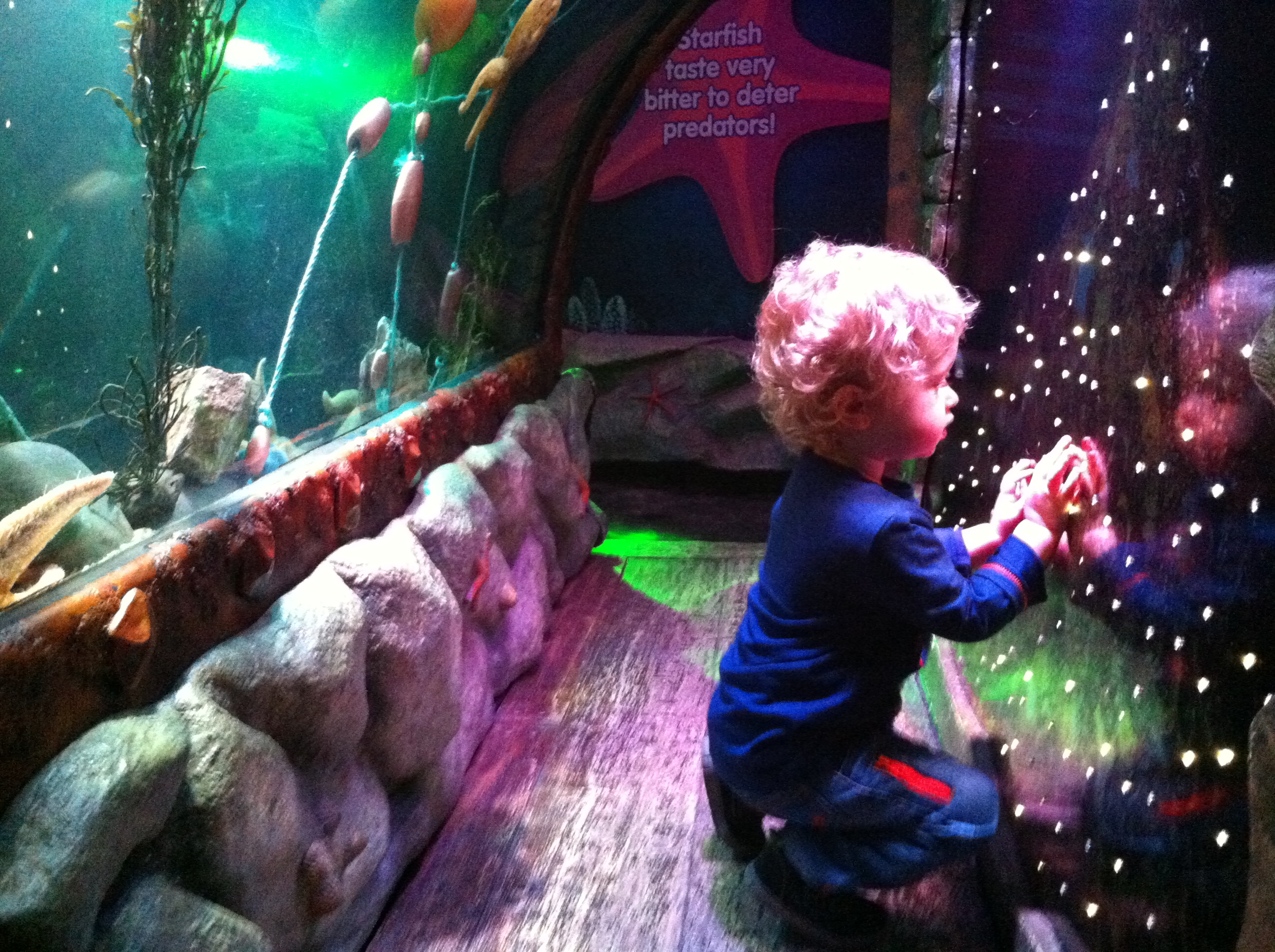
Lucas and I were invited to have a preview of the sea stars exhibition at the sea life centre in Blackpool.
As we walked through we started at the rock pool where you can put your hands in the pools and the cleaner shrimps will nibble at your hands, unfortunately, Lucas didn’t quite understand and just splashed. You can just about see to the left under the rock it is peeking out. We swiftly moved on.
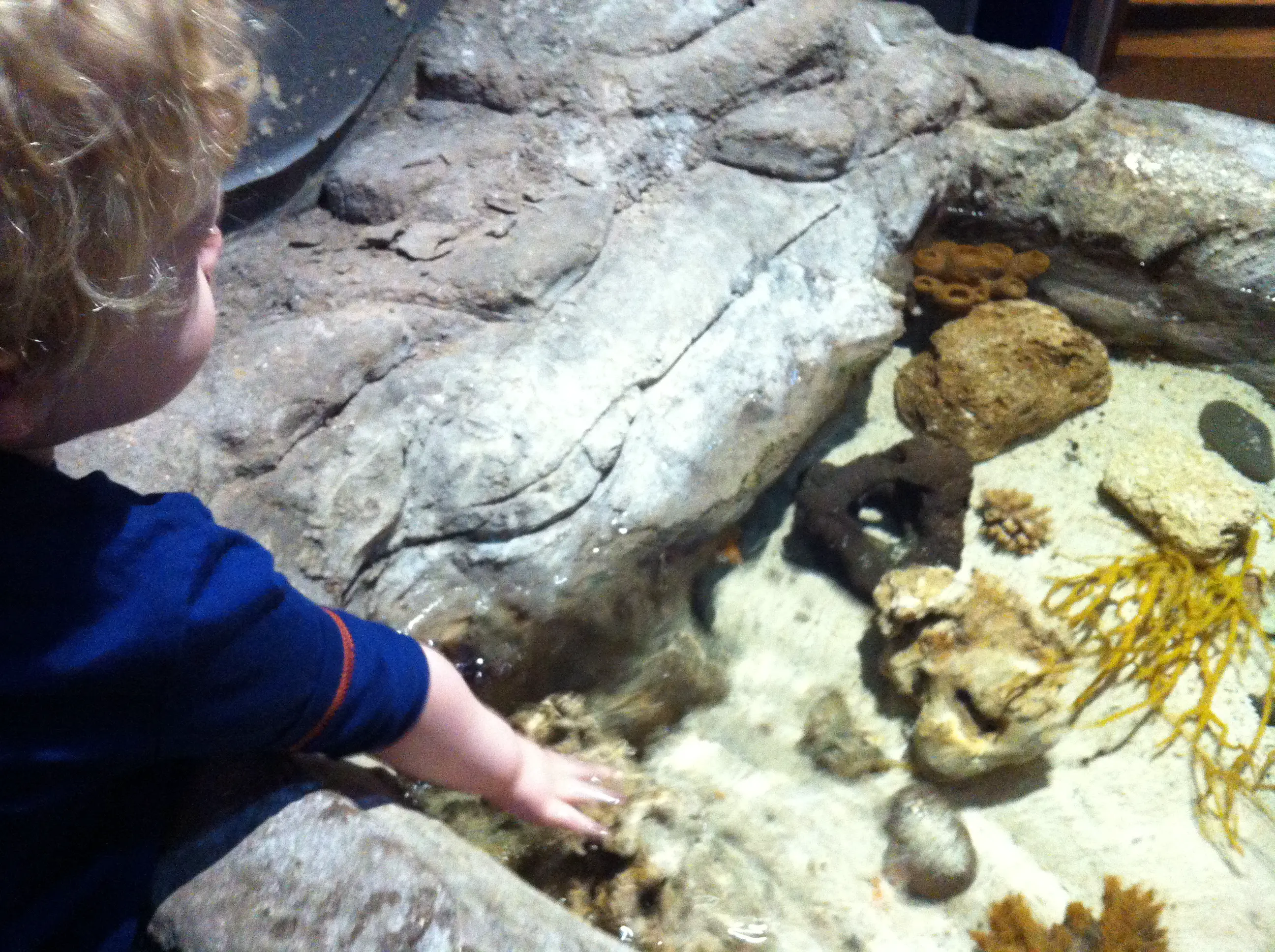
With 2000 creatures to see there is plenty to look for and I can imagine it is one of those places where you will spot something new each time you visit.
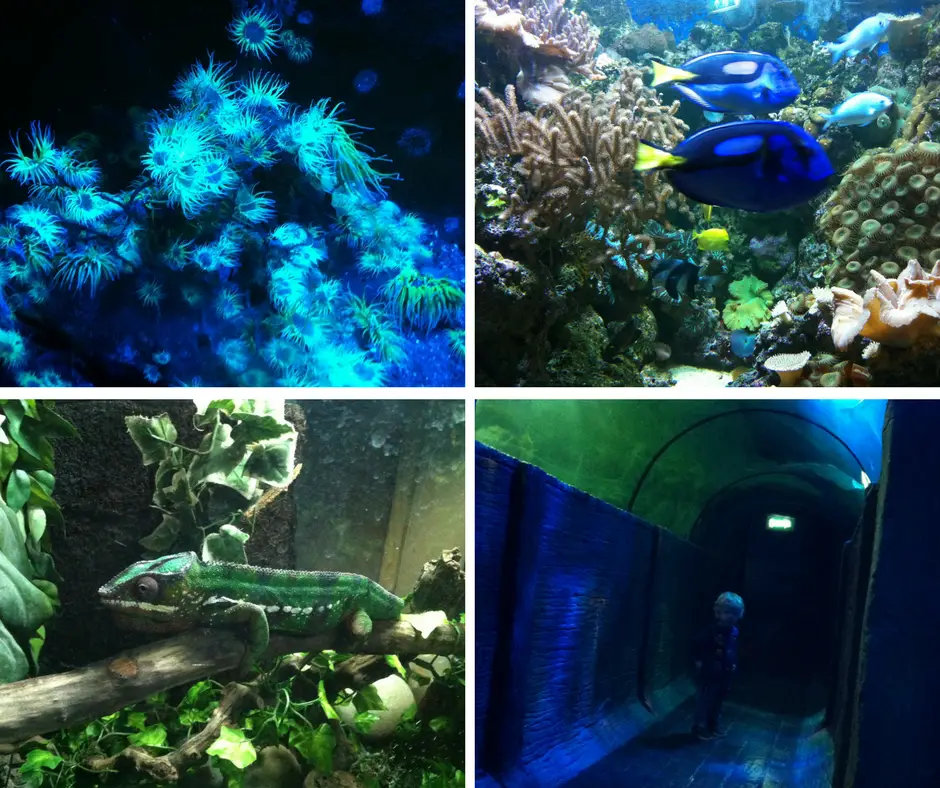
Lucas dashed around giddily until we got to the new sea star area where he just mellowed. The dimmed lights with stars for him to touch just relaxed him. We also learnt a lot about them too.
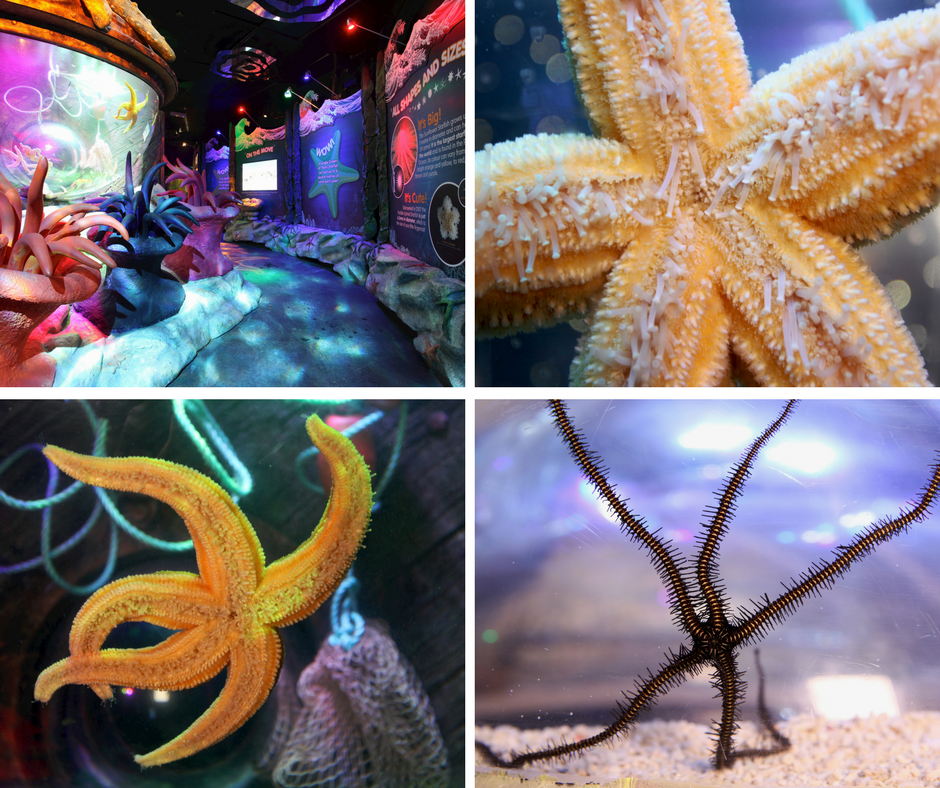
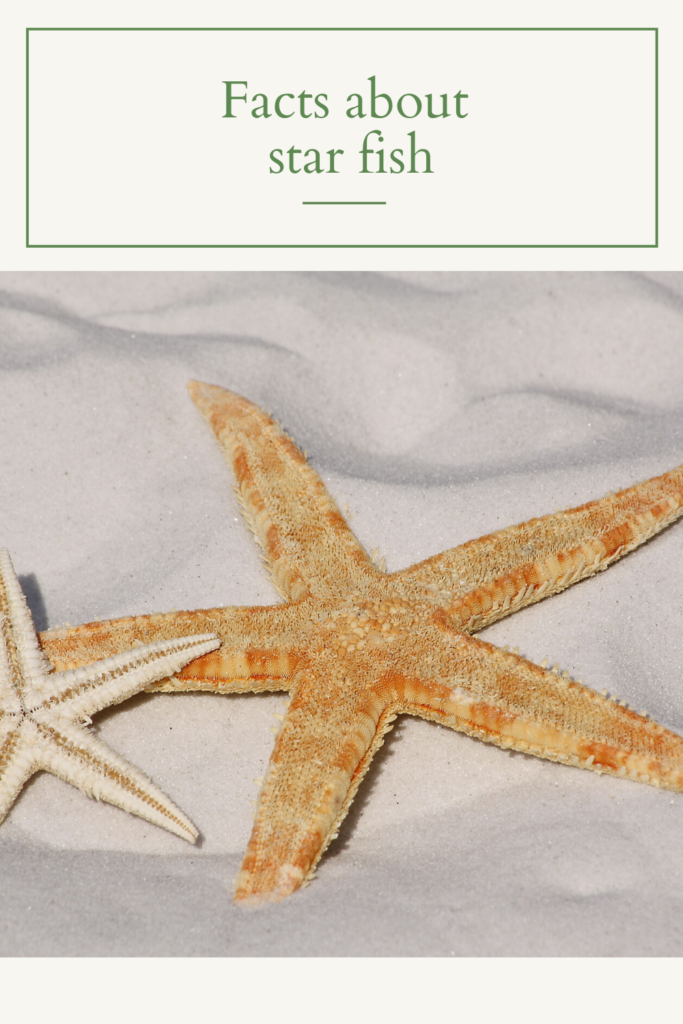
- Sea stars can switch gender at will
Many starfish can start out as one gender before switching to the other, and even switch back in some cases! - Sea stars have no brain…and no blood
Instead of blood, a sea star pumps filtered seawater around its nervous system to carry nutrients to its body. - They have their eyes at the tips of their legs
Despite not having a brain and no apparent face, sea stars do have eyes, which are located at the tips of their legs and used to navigate themselves around. - There are over 2,000 species
More than 2,000 species of sea star are documented worldwide, living in a wide variety of water conditions and temperatures, from tropical coral reefs, rocky shores, tidal pools, mud and sand to kelp forests, seagrass meadows and the cold, deep-ocean bed down to at least 20,000 ft (6,000 m). They are purely marine creatures, with no freshwater sea stars. - They can regenerate
Sea stars can regrow a lost limb, although it can take up to a year to grow back completely. - They are cannibalistic
With their tough, leathery skin, sea stars are a daunting proposition for many would-be predators. However, they are well equipped to eat a smaller sea star and cannibalism is common with some species. Many wear striking colours to camouflage them or scare off potential attackers. - They don’t always have five legs
Sea stars always have at least five symmetrical legs, but some species can have as many as 10, 20 or even 40. - They eat by turning their stomachs inside out
When a sea star captures its prey, suction cups on the legs hold it in place while its stomach extends out of its mouth to digest the meal.