
When you have a family, safety becomes part of how you think. It just turns into a regular part of your every day life.
You check the back seat before locking the car. You remind everyone to buckle up. You slow down near schools without thinking twice.
But most families focus only on accident prevention.
They install the right car seats. They maintain their vehicles. They avoid distractions while driving. All of that matters. Still, true family safety on the road goes further.
Your car is where life happens. School runs. Grocery trips. Long holiday drives. Weekend sports. If something unexpected happens during those moments, preparation makes all the difference.
Smart Driving Is the First Layer of Protection
Start with the basics.
Make seat belts non-negotiable. Check car seats regularlyto make sure they are installed correctly and adjusted as your child grows. Keep your phone out of reach while driving.
Pay attention to vehicle maintenance. Check tire pressure monthly. Replace worn brakes. Make sure headlights and brake lights work properly.
These small checks prevent larger problems.
When your car runs well, you lower the risk of breakdowns in unsafe areas. When you drive calmly and consistently, you reduce the chance of sudden impact injuries.
Safety begins with everyday habits.
Build a Family Car Emergency Kit
Most people keep jumper cables in the trunk. Some carry a blanket.
That is astart. But you can go further.
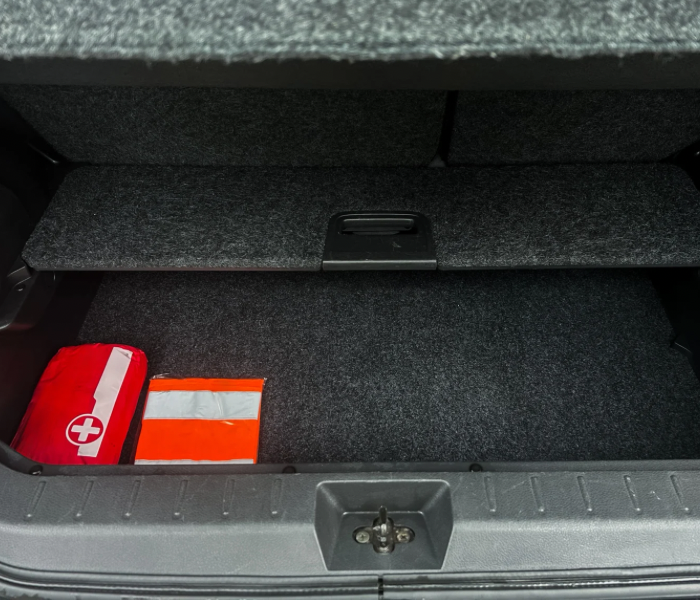
Keep bottled water, shelf-stable snacks, a flashlight, reflective warning triangles, and a basic first aid kit in your vehicle. Add a phone charger that works even if your battery is low.
If your family has allergies or medical conditions, include a simple card listing medications, emergency contacts, and othe rimportant health provisions is definaltey a good idea.
In a stressful situation, clear thinking is harder than you expect. Written information saves time.
Preparation does not createfear. It creates calm.
Prepare for Medical Emergencies on the Road
Here’s something many families do not think about. Not every emergency involves a crash.
Sudden cardiac arrest, severe asthma attacks, or allergic reactions can happen anywhere. Parking lots. Roadside stops. Sporting events. Even during a routine drive home.
Emergency response times vary. In rural areas or heavy traffic, help may not arrive as quickly as you hope.
This is why some families explore options like keeping access to an aed defibrillator for their home or vehicle. If you haven’t got one, have a look for an aed defibrillator for sale.
An automated external defibrillator can deliver a life-saving shock during sudden cardiac arrest. The most modern devices provide clear voice instructions that guide you step by step so, there is no need for you to have training to use one.
For families with known heart conditions or active lifestyles that keep them on the road, this added layer of readiness can offer reassurance.
It is not about expecting the worst. It is about being ready for the unexpected.
Conclusion
Family car safety is more than careful driving.
It includes maintenance. Emergency supplies. And thoughtful planning for medical situations that can arise without warning.
You cannot predict every risk. But you can decide how prepared you want to be.
When you take simple steps to protect your family on the road, you create a safer space for every trip, whether it lasts five minutes or five hours.
And that peace of mind stays with you long after the engine turns off.
collaborative post