
Moving to a new country often seems cacophonous, somewhat incessant, and grey, all at the same time. In the middle of the other practical elements, like packing boxes, schools, or neighbourhoods, some quietly muttered conversations get engaged in about money. Pensions, taxes, and savings might not be very attractive topics for you, but they really do determine how comfortably life will turn out after the joy of relocating has gone.
Thinking Ahead About Pensions
One of the easiest details to overlook when relocating is how pensions travel across borders. Retirement plans are often rooted in local rules, and a move can complicate what once felt straightforward. Some pensions can remain where they are, while others may allow transfers or require careful reporting. Understanding who manages the fund, how contributions change, and what access looks like from abroad helps prevent future stress.
There is also the emotional element of pensions. They represent years of steady work and long-term hopes. Relocating to new countries requires contemplation and a thoughtful mapping of what retirement would look like down the road in that particular setting. Planning for the future will not only account for pivoting considerations such as foreign exchange, residency regulations, and complication of tax treatments, but also secure longevity.
Understanding Tax Obligations
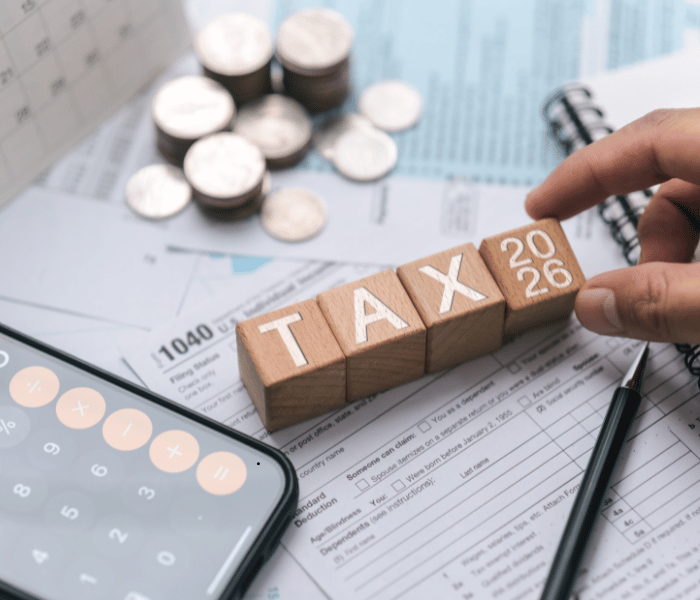
Taxes often become the most confusing part of an international move. Residency status, income sources, and filing requirements rarely stay simple once borders are crossed. Some people find themselves unsure where they should file or how different systems talk to each other. Seeking clear guidance early can make the difference between confidence and constant worry.
Property owned before or after the move raises even more questions. For those selling or buying abroad, understanding fair market value may involve a professional property valuation, which can affect tax reporting and future planning. Even when property feels like a personal milestone rather than an asset, it still plays a role in financial paperwork.
Tax planning is not just about compliance. It is about peace of mind. Knowing what is expected reduces the risk of unpleasant surprises and allows families to settle into daily life more fully, without financial uncertainty looming in the background.
Building and Protecting Savings
Savings often act as a safety net during relocation. Unexpected costs tend to appear, from temporary housing to setup fees and travel back and forth. Subject to change, but the stress of relocating can be alleviated if carried out correctly with some money to spare. Thus, planning on how and where to save money as well as how to access the money while living in a different country becomes imperative.
There are life stages, specifically buying a new house, that comes with the associated joy and strain. It is upon some parents at such a point to consider the use of property advisory services in order to avoid hasty decisions while trying to analyse the real estate market and in considering the future. Having measured support can help savings stretch further and decisions feel less overwhelming.
Ultimately, moving countries reshape how money fits into everyday life. Asking thoughtful questions about pensions, tax, and savings encourages steadier footing during change. These conversations may feel technical, but they support the comfort and confidence that help a relocation truly feel like home.