
Living in a tiny space challenges one to think creatively and efficiently, turning perceived limitations into innovative solutions.
Whether it’s a compact studio apartment, a shared living situation, or a tiny house, maximising small spaces can apply universally.
This approach is not just about saving space—it’s about enhancing every aspect of your living environment to make it more functional, inviting, and comfortable.
Small living spaces can be transformed into stylish and practical homes by incorporating multifunctional furniture, optimising storage, and cleverly using design tricks to expand the perceived size of interiors.
These techniques cater to basic living needs and promote a lifestyle that values simplicity, organisation, and elegance.
With the right strategies, those residing in confined quarters can enjoy life unencumbered by the size of their living space, proving that quality of life does not have to be compromised by square footage.
How to Make Your Space Count for More
In the world of tiny living, making the most of your space isn’t just about fitting everything in—it’s about creating a living area that feels open, organised, and uniquely yours.
This starts with adopting a multifunctional approach to your furniture and layout and extends to the minute details of decorative and practical choices.
Here are several key principles to consider when planning your tiny living space to ensure every inch works harder for you.
Interior Design for More Space
Interior design is pivotal in amplifying the utility and aesthetic of tiny living spaces.
Focusing on a few strategic choices can transform a cramped space into an open and inviting space.
- Opt for Multifunctional Furniture: Pieces that serve multiple purposes are essential in tiny homes. Think sofa beds, tables with hidden storage, or ottomans that open up to reveal extra compartments. This reduces the clutter of having too many pieces in a small area.
- Use Vertical Space: Utilising the walls for storage can clear much of the floor space. Tall, narrow shelving units, hanging plants, and wall-mounted electronics help draw the eye upward, creating a sense of volume and reducing clutter.
- Reflective Surfaces: Mirrors strategically placed opposite windows or light sources can dramatically enlarge the visual space of a room, making it feel larger and more open.
- Consistent Colour Scheme: A light, consistent colour palette throughout the space can make it appear bigger. Soft tones like whites, light greys, and pastels reflect lighter and blend seamlessly, preventing the space from feeling segmented or cramped.
- Smart Layout: Floating furniture slightly away from the walls and towards the centre of the room can create a feeling of spaciousness. This technique, known as ‘floating,’ helps in creating visible floor space around furniture, enhancing the overall openness of the area.
Utilising Innovative Storage Solutions
Maximising storage is crucial in tiny living spaces, where the motto “a place for everything, and everything in its place” becomes a guiding principle.
Innovations in storage can transform hidden and otherwise underused spaces into functional storage areas.
- Hidden Compartments and Convertible Furniture: Furniture with hidden storage compartments or pieces that can transform based on your needs, such as drop-leaf tables or beds with storage drawers, efficiently utilise space. These solutions keep your belongings neatly stowed away, avoiding clutter and maintaining a clean aesthetic.
- Vertical Storage Options: Installing ceiling-high bookcases and using the space above cabinets allows you to store items off the floor, maximising living space. Similarly, using the backs of doors for hanging organisers or hooks can turn unused space into valuable storage areas.
- Modular and Movable Units: Furniture on wheels or modular units that can be reconfigured as needed offer flexibility in storage and arrangement. This adaptability is especially valuable in tiny homes, where the layout may need to change based on daily activities or the number of occupants.
Enhancing Tiny Spaces with Clever Accessories
In tiny living spaces, each decorative and functional accessory must be chosen with care to ensure it adds value without cluttering the area.
We will guide you through selecting accessories that enhance functionality and aesthetics, focusing particularly on bedroom enhancements.
Bedroom Accessories for Space Efficiency
In small bedrooms, where space is at a premium, selecting the right accessories can transform a cramped area into a cosy retreat.
Wall-mounted or floating shelves are indispensable for their ability to hold books and decor without sacrificing floor space.
Opting for multi-functional furniture, like beds with built-in storage or folding desks, maximizes utility and minimizes clutter.
Using light-coloured materials for furniture and accessories can help make the space feel larger and more open.
Mirrors are a strategic choice for small bedrooms, with their ability to reflect light and create the illusion of a more expansive room.
Consider installing a large mirror on the wall or selecting wardrobe doors with mirrored surfaces to enhance the brightness and perceived size of the room.
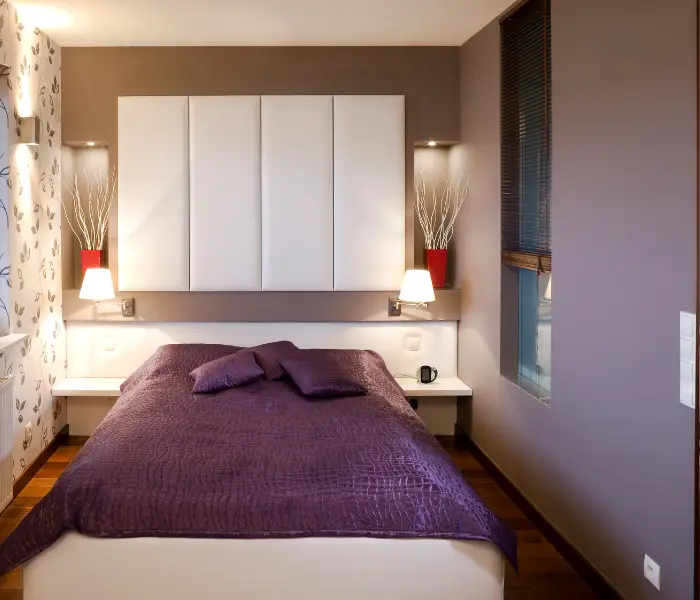
For lighting, wall-mounted lamps free up nightstand space while adding a focused light source, perfect for reading or working in bed without overwhelming the space.
Living Area Accessories
In the main living area, the choice of accessories should foster a sense of openness.
Convertible furniture pieces, like ottomans that double as storage units or couches that transform into beds, are ideal for maintaining functionality without crowding the room.
Decorative ladders can serve as stylish storage solutions for blankets or magazines, enhancing the decor while keeping these items accessible.
Using vertical space wisely with tall, narrow bookcases or hanging planters helps keep the floor clear and draws the eye upward, creating a sense of height and space.
Flexible, lightweight furniture pieces that can be easily moved or reconfigured also allow the living area to be adapted for different uses, making it ideal for both daily living and entertaining guests.
Kitchen and Dining Accessories
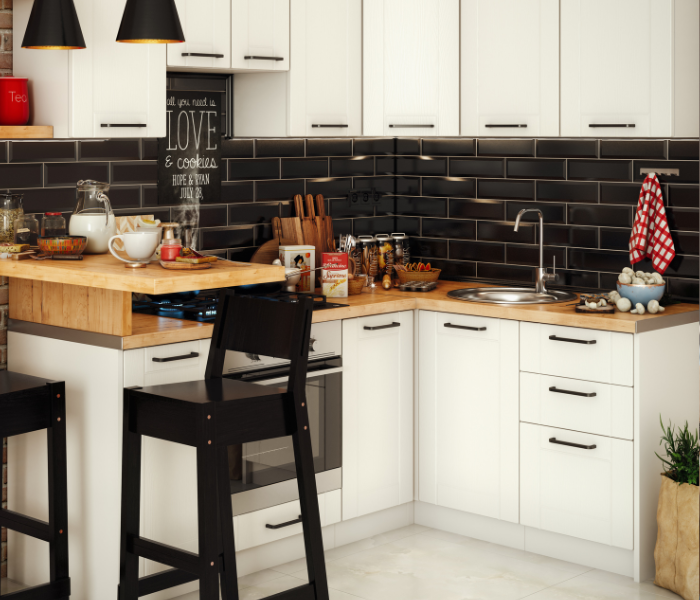
In tiny kitchens, every inch must be utilised efficiently. Magnetic strips for knives, wall-mounted spice racks, and under-cabinet storage solutions can free up counter and drawer space.
Consider foldable or extendable dining tables that can be tucked away when not in use, and choose seating that can be completely pushed under the table to maximize floor space when the area is not in use.
Final remarks
Maximising every inch of your tiny living space requires a blend of creativity, strategic planning, and smart choices in furniture and accessories.
By adopting multifunctional furniture, maximising vertical storage, and using design tricks like mirrors and strategic lighting, small spaces can be transformed into functional, stylish homes that feel larger and more open.
Remember, the goal is not just to fit everything into a smaller footprint but to create a living space that is efficient, inviting, and comfortable.
With these principles in mind, even the most confined spaces can become a sanctuary that enhances your quality of life without feeling restricted by square footage.
Collaborative post