

In today’s fast-paced world, self-care is more important than ever, especially for teenagers. With academic pressures, social media influence, and hormonal changes, teens often experience a whirlwind of emotions. Establishing a consistent self-care routine can go a long way in supporting emotional health, improving sleep, boosting self-esteem, and reducing stress. This post offers practical, manageable self-care activities for teens that fit into a typical daily routine and promote better mental, emotional, and physical well-being.
Why Self-Care Is Essential for Teens
For many young people, the teenage years can feel like a balancing act. The pressures of middle school or high school, extracurricular activities, friendships, and family expectations can sometimes become overwhelming. Add in the impact of screen time, a disrupted sleep schedule, and exposure to social media, and it’s clear that teens need tools to cope with daily life.
Self-care means taking the time to support your own mental health, emotional state, and physical health. It’s not about grand solutions or expensive treatments—it’s about small things done regularly that add up to big benefits. Whether it’s a long walk, a creative outlet, or just 8–10 hours of sleep, each act of self-care is a step in the right direction.
Get Enough Restful Sleep
Consistent, quality sleep is one of the best ways to improve overall well-being. Teens need approximately 8–10 hours of sleep each night, yet many experience sleep deprivation due to homework, late-night screen time, or stress.
Creating a healthy sleep schedule can reset the biological clock and improve brain function, concentration, and mood. Try winding down with a face mask, mindful meditation, or reading a book at the end of the day. Reducing blue light exposure from phones and tablets at least an hour before bed can also have a positive impact.
Move Your Body Every Day
Regular exercise is good for the body and the mind. Aerobic activities like walking, dancing, swimming, or biking improve physical health while triggering the release of endorphins, which help lift your mood.
You don’t have to join a gym or run marathons. A long walk with a friend, a quick stretch after school, or an online workout from plenty of YouTube instructional videos are all effective and fun ways to get moving.
Connect With Someone You Trust
Self-care also means addressing emotional needs. Talking to a trusted family member, friend, teacher, or counsellor can provide comfort and perspective during hard times. Bottling up adverse thoughts can increase the risk of mental health challenges, while sharing them lightens the emotional load.
Sometimes, a quick chat about your day or your favourite song can make a world of difference. Connection is an important source of emotional strength.
Limit Screen Time and Set Boundaries With Social Media
Gen Z has grown up surrounded by technology. While social media can be a source of connection, it can also contribute to feelings of inadequacy, anxiety, and comparison. It’s a good idea to monitor your screen time and take regular digital detoxes.
Instead of scrolling, try exploring new hobbies like sketching, colouring, cooking, journaling, or writing. These simple activities promote focus and encourage self-expression.
Create a Self-Care Plan
Just as a study schedule helps with schoolwork, a self-care plan can help you stay grounded. Write a list of small steps you can take each day to support your wellbeing, things like:
- Drinking enough water
- Getting fresh air
- Saying no when overwhelmed
- Listening to your favourite song
- Writing in a journal
- Doing one self-care activity before bed
Having a plan makes it easier to stay consistent and notice what’s helping or what needs adjusting.
Find a Creative Outlet
Creative arts are a fabulous way for young adults to express thoughts and emotions that are hard to put into words. Art, music, dance, photography, or writing can all be powerful forms of creative expression.
Even trying an art form you’ve never done before, like making vision boards or digital illustration, can bring new joy. Don’t worry about being “good” at it. The process itself is often more therapeutic than the result.
Practice Mindfulness and Meditation
Mindfulness is the practice of being present and aware of your surroundings without judgement. It’s a natural way to manage your own anxiety and find calm in stressful situations. Whether it’s mindful meditation, breathing exercises, or simply focusing on your senses while walking, these moments of stillness support emotional balance.
It’s an important thing to note that mindfulness doesn’t mean clearing your mind of all thoughts, it means learning to observe them without getting caught up in them.
Nourish Your Body With Healthy Foods
Fueling your body with balanced meals supports both physical and emotional health. While it’s okay to enjoy treats, maintaining healthy habits like eating fruits, vegetables, and whole foods has long-term health benefits and can even help reduce the risk of diseases.
Try involving yourself in the process, prepare a simple breakfast, pack a healthy lunch, or even learn how to cook a meal for the family. It’s a great way to feel empowered and gain life skills.
Try Recreational or Extracurricular Activities
Getting involved in recreational activities or joining clubs and groups can be a fun way to meet different people, gain new skills, and develop confidence. Whether it’s sports, theatre, coding, or volunteering, there’s no “right” way, just whatever excites you.
Sometimes, trying new things is the first step in discovering passions that shape the future.
Know It’s OK to Ask for Help
Many young folks silently experience mental health challenges, assuming they have to manage on their own. But asking for help is a sign of strength, not weakness.
If you’re struggling with your emotional state or suspect you may be facing a mental health condition, reach out. Talk to a school counsellor, GP, or mental health professional. Early support can prevent bigger issues later on.
A Few More Simple Ways to Practise Self-Care Daily:
- Watch your favourite comfort film (yes, even Hocus Pocus)
- Light a candle and relax in your room
- Write down good news or things you’re grateful for
- Declutter a small part of your space
- Listen to music while organising your thoughts
- Set a timer and take a few minutes for mindful breathing
- Put together a playlist that uplifts you during tough times
For teenagers, establishing a self-care routine is one of the best ways to take control of their own mental health. There’s no one-size-fits-all solution, and self-care looks different for different people. It may include creative arts, physical activity, rest, or simply talking to someone who listens.
The important thing is to start with small steps and keep moving forward. Even the little things can have a big payoff over time. With the right tools and mindset, young people can thrive through adolescence, and well beyond.
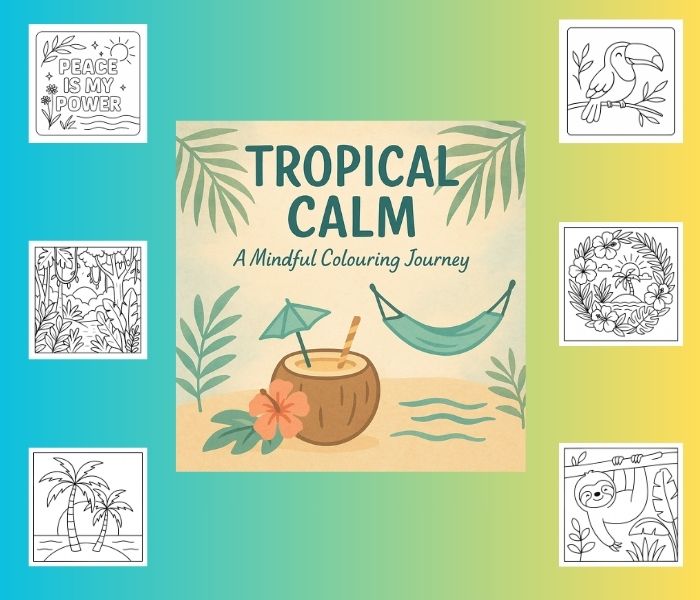
Giveaway
To win a copy of the Tropical Calm colouring book, enter using the app below
Win Tropical Calm Colouring Book