
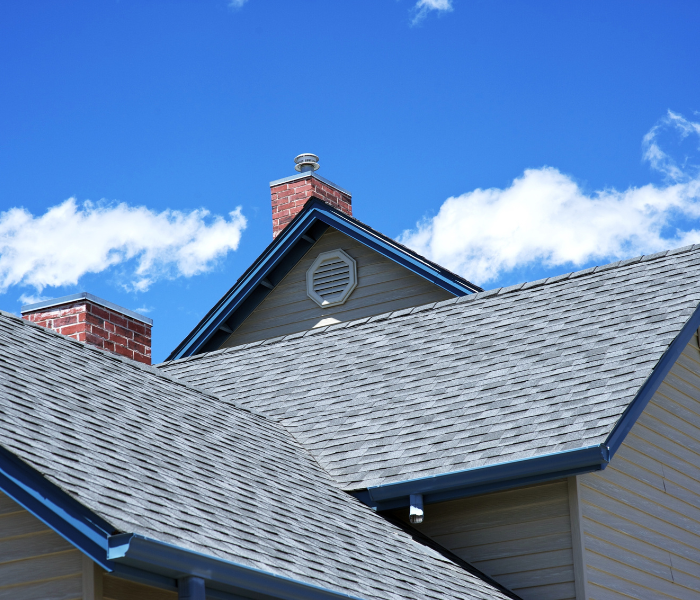
Roofs, the protective shield of our homes, are exposed to all sorts of weather conditions. Their durability and longevity depend on numerous factors, from the material chosen to the location’s climate and the installation’s quality.
This article thoroughly explores these influencing factors to understand what contributes to your roof’s lifespan comprehensively. This information lets homeowners decide about their roofing options and maintenance plans.
Material Selection
The type of material used for roofing plays a significant role in determining its lifespan. Some materials are more durable and long-lasting than others, while some require frequent replacements or repairs. Here are some common roofing materials and their average lifespans:
- Asphalt Shingles: 20-25 years
- Metal Roofing: 40-70 years
- Clay and Concrete Tiles: 50+ years
- Wood Shingles/Shakes: 20-30 years
- Slate Roofing: 100+ years
As you can see, the material alone can significantly impact your roof’s lifespan. Homeowners should consider the cost, maintenance requirements, and expected longevity of different roofing materials before deciding.
Climate and Weather Conditions
A location’s climate and weather conditions are also crucial factors that influence your roof’s lifespan. Extreme temperatures, heavy rain or snowfall, strong winds, and prolonged exposure to sunlight can all damage roofs over time. For instance, areas with frequent hailstorms may require more robust roofing materials to withstand the impact. Similarly, hot and humid regions may cause roof shingles to deteriorate faster due to moisture and heat.
Therefore, homeowners must consider their location’s climate and weather patterns when selecting roofing materials. Investing in a suitable material can save you from frequent repairs or replacements.
Roof Installation
The quality of installation also impacts your roof’s lifespan significantly. Even with high-quality materials, poor installation can lead to failure and damage. Hiring experienced and reputable roofing contractors who follow industry standards and best practices for installation is essential.
Improperly installed roofs may suffer from leaks, water damage, or structural issues, leading to a shorter lifespan. Homeowners should always check the credentials and reputation of roofing companies before hiring them.
Professional vs. DIY Installation
The choice between professional installation and a do-it-yourself (DIY) approach can greatly affect the lifespan of your roof. Professional roofers bring years of experience, skills, and knowledge of industry standards to the project, ensuring that the roof is installed correctly and efficiently.
They understand the intricacies of different roofing materials, the appropriate techniques for installation, and how to address potential issues. This professional expertise often results in a roof that can withstand weather conditions and last for its expected lifespan.
On the contrary, while a DIY installation might seem like a cost-effective option, it can potentially lead to problems down the line. Homeowners might lack the necessary skills, knowledge, and tools required for the installation, which might result in errors.
These mistakes can lead to immediate or eventual roof damage, causing a decline in the roof’s lifespan and potentially added repair or replacement costs. Hence, while DIY installation may seem appealing for its upfront savings, it could cost more in the long term due to its potential impact on your roof’s longevity.
Therefore, it is crucial to consider the benefits of hiring professionals for roof installation to ensure its longevity.
Maintenance and Repairs
Regular maintenance and repairs are essential for prolonging the lifespan of your roof. Neglecting to address minor issues can lead to more significant problems, reducing the roof’s longevity. It is recommended to schedule annual or bi-annual inspections by a professional roofing contractor to identify and fix any potential issues promptly.
Homeowners should also perform routine maintenance tasks, such as cleaning gutters, removing debris, and checking for any signs of damage. In case of any damage or leaks, prompt repairs are necessary to prevent further deterioration.
How to Choose the Right Roofing Material
Choosing the right roofing material requires carefully evaluating several factors impacting its performance, lifespan, and cost-effectiveness. Consider the following factors when selecting your roofing material:
- Your Home’s Architectural Style: The architectural style of your home can determine the type of roofing material that’s aesthetically fitting. Certain materials may better suit particular architectural styles. For instance, clay tiles often complement Spanish-style homes, while slate roofing might be ideal for historic homes.
- Local Climate: As mentioned above, your region’s climate and weather conditions can significantly influence the performance and lifespan of roofing materials. Ensure your chosen material can withstand local weather extremes, whether intense sun, high winds, heavy rainfall, or snow.
- Weight of the Material: Different roofing materials vary in weight. Some, like slate or tile, are much heavier than others and may require additional support structures. Ensure your home’s structure can withstand the weight of your chosen roofing material.
- Maintenance Requirements: All roofing materials will require some maintenance, but the frequency and cost of these tasks can vary. For example, wood shingles might require more maintenance than metal roofing. Consider how much time and money you will invest to maintain your roof.
- Cost: Roofing materials can vary significantly in cost. It’s essential to factor in the initial cost of materials and installation and the long-term costs of maintenance, repair, and potential lifespan.
- Environmental Impact: If sustainability is a priority for you, consider the environmental impact of the roofing material. Some materials, like metal or recycled shingles, are more environmentally friendly than others.
Conclusion
Several factors can influence the lifespan of your roof, and homeowners must consider these when choosing a roofing material and maintaining their roof. Climate, installation quality, and regular maintenance can significantly impact how long your roof will last.
By understanding these factors and selecting a suitable roofing material, you can ensure that your roof serves its purpose for as long as possible. Consider consulting a professional roofing contractor for expert guidance on selecting and installing the ideal material for your home.