
Recycling is more than just a buzzword; it’s a vital practice for preserving our environment. When it comes to rubbish removal, effective recycling can make a significant difference. But how do you ensure you’re recycling correctly? Let’s explore some practical steps and tips to help you recycle effectively during rubbish removal.
Understanding What Can Be Recycled
Before you start sorting through your rubbish, it’s essential to know what can and cannot be recycled. Common recyclable materials include paper, cardboard, glass, certain plastics, and metals. However, not all plastics are recyclable, and some items, like greasy pizza boxes or broken glass, can contaminate the recycling process.
Check with your local council for specific guidelines, as recycling rules can vary. Many councils provide detailed lists of what can be recycled, which can be a handy reference.
Sorting Your Rubbish
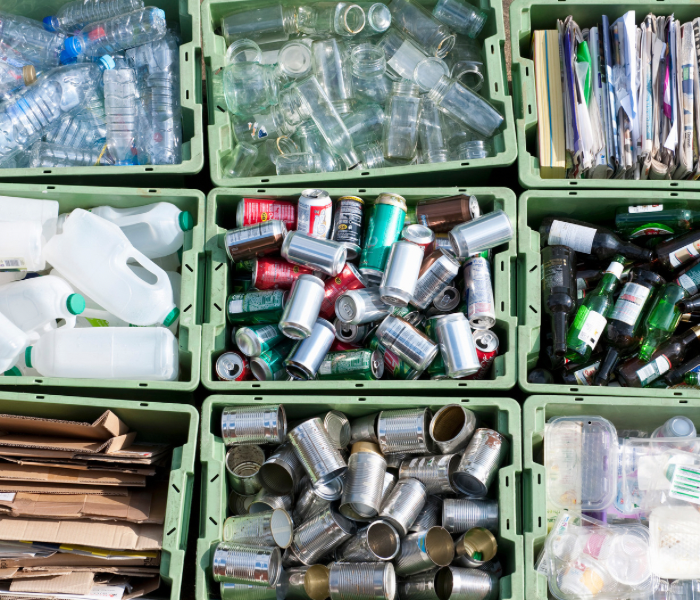
Effective recycling begins with proper sorting. Create separate bins or bags for different types of recyclables. This can include one for paper and cardboard, another for plastics, and a third for glass and metals. By sorting your rubbish at the source, you make the recycling process more efficient and reduce the risk of contamination.
It’s also helpful to rinse out any food or drink containers before placing them in the recycling bin. This prevents food residue from spoiling the recyclables and attracting pests.
Reducing Contamination
Contamination is a significant issue in recycling. When non-recyclable items are mixed with recyclables, it can spoil the entire batch, making it unusable. To avoid this, be diligent about what you place in your recycling bins.
Items like plastic bags, food waste, and electronics should never go in the recycling bin. Instead, look for specific recycling programmes for these items. Many supermarkets offer plastic bag recycling, and electronic waste can often be taken to specialised recycling centres.
Recycling Special Items
Some items require special handling when it comes to recycling. Batteries, for example, should never be thrown in the regular rubbish or recycling bin. They contain harmful chemicals that can leach into the environment. Instead, take them to a designated battery recycling point, often found in supermarkets or electronics stores.
Similarly, old electronics, known as e-waste, should be recycled through proper channels. Many councils offer e-waste recycling events, or you can take your old gadgets to a dedicated recycling centre.
Composting Organic Waste
Not all rubbish needs to be recycled in the traditional sense. Organic waste, such as food scraps and garden clippings, can be composted. Composting is a fantastic way to recycle organic material, turning it into nutrient-rich soil for your garden.
Set up a compost bin in your garden and add your organic waste. Over time, it will break down into compost, which you can use to enrich your soil. This not only reduces the amount of rubbish you send to landfill but also benefits your garden.
Using Recycling Centres
If you have a large amount of rubbish to dispose of, consider taking it to a recycling centre. These centres are equipped to handle a wide range of materials and can ensure that your recyclables are processed correctly.
Before you go, sort your rubbish into categories to make the drop-off process smoother. Many recycling centres also offer advice and resources to help you recycle more effectively.
Educating Your Household
Recycling is a team effort, and everyone in your household needs to be on board. Take the time to educate your family or housemates about the importance of recycling and how to do it correctly.
Create a simple guide or chart that outlines what can and cannot be recycled and place it near your recycling bins. This serves as a handy reference and encourages everyone to recycle properly.
The Benefits of Effective Recycling
Effective recycling has numerous benefits. It reduces the amount of waste sent to landfill, conserves natural resources, and reduces pollution. By recycling correctly, you’re contributing to a healthier environment and a more sustainable future.
Moreover, recycling can also save you money. Many councils offer reduced rubbish collection fees for households that recycle diligently. By reducing the amount of rubbish you send to landfill, you can lower your waste disposal costs.
Final Thoughts
Recycling effectively during rubbish removal doesn’t have to be complicated. By understanding what can be recycled, sorting your rubbish, reducing contamination, and using recycling centres, you can make a significant impact. Educate your household and embrace composting to further enhance your recycling efforts.
Remember, every small step counts. By making a conscious effort to recycle correctly, you’re playing a crucial role in protecting our environment for future generations. So, next time you’re faced with a pile of rubbish, take a moment to think about how you can recycle effectively. Your efforts will make a difference.