
Understanding Continence Challenges: From Pregnancy to Postpartum Incontinence
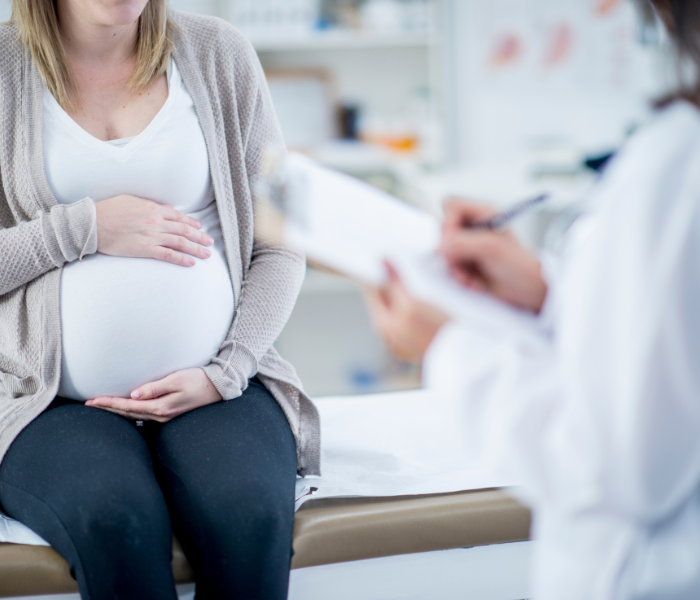
Incontinence is a common issue that affects individuals of all ages, with pregnancy and postpartum phases presenting unique challenges. By understanding the causes, prevention methods, and available treatments, individuals can seek timely help and regain control over their continence health.
Incontinence Poverty
June 20th to 26th marks World Continence Week. It’s a time to raise awareness about incontinence poverty, a serious issue many individuals and families face due to the rising cost of living. Complete Care Shop, one of the most trusted providers of assisted daily living products in the UK, is committed to helping its existing customers and connecting with others who are searching for a more independent future. They believe everyone should have the confidence they need to live a fuller life and are dedicated to enabling independence daily. CCS recognises the impact of incontinence poverty, which is not unlike period poverty, and they want to discourage people from turning to inappropriate products or solutions when faced with difficult budget choices. On average, incontinence products cost individuals £1800 per year. To help those struggling with the cost, CCS has secured £150k worth of incontinence products through their partners. They hope to give anyone living with, or caring for someone with incontinence, the support they need to live their lives to the fullest.
Those needing some incontinence products (free of charge & limited to two items per household) can call the CCS customer care team on 01772 675 048.
Pregnancy-related Incontinence
Pregnancy brings numerous changes to a woman’s body, including hormonal shifts and the increasing pressure on the bladder from the growing fetus. The two most common forms of incontinence during pregnancy are stress incontinence and urge incontinence. One of the main causes of incontinence during and after pregnancy is muscle weakness, which typically affects the pelvic floor.
Postpartum Incontinence
Postpartum incontinence is the inability to control urine or bowel movements after giving birth. While it is a temporary issue for many women, the problem persists longer for some. A study conducted by the Norwegian Institute of Public Health involving 12,679 women found that 31% of women developed urinary incontinence six months after delivery. While the study’s findings sound alarming, it does highlight the importance of seeking help and support during this crucial period.
Prevention and Management Techniques
There are several strategies that can help improve continence during pregnancy. One important strategy is to practice pelvic floor exercises, also known as Kegels, on a regular basis. These postpartum exercises can help strengthen the muscles that control urine flow. It’s also important to stay hydrated. Additionally, maintaining a healthy weight and avoiding constipation can help prevent pressure on the bladder. Finally, wearing panty liners or adult pads can provide extra protection in case of accidents.
Seeking Medical Assistance
Visiting a doctor and discussing treatment and management options are the first steps to seeking assistance with incontinence and continence problems. Developing an incontinence management plan is crucial, which may include several steps such as adequate fluid intake, fibre-rich diets, and pelvic floor exercises, among others.
Individuals with incontinence, whether due to pregnancy or other causes, can lead a normal life without having to plan activities around going to the toilet. Taking a step towards treatment and management of incontinence and continence problems empowers individuals to have control over their lives. Therefore, there’s no need for continence problems to deprive oneself of living a fulfilling life.
This post is in conjunction with Complete Care Shop, but all thoughts and opinions are my own.