
Mosquitoes can be a problem when spending time outdoors. Combine the potential for bites that itch with the health risks that are associated with them, and the importance of mosquito repellent becomes obvious. Unfortunately, many commercial products include chemicals, such as DEET, and are not ideal for people who prefer more natural solutions. However, certain mosquito-repellent plants can act as deterrents against blood-sucking mosquitoes to keep you safe and itch-free.
Mosquito Plant As A Natural Mosquito Repellent
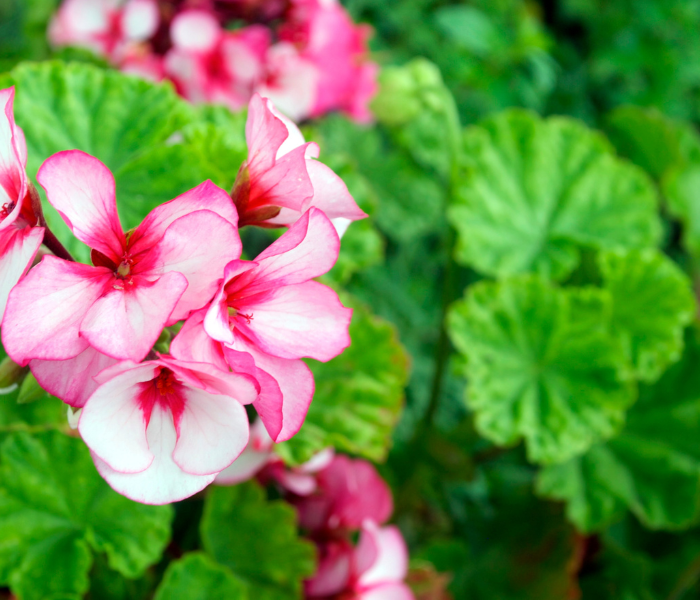
The mosquito plant, or citrosa geranium, combines geraniums and citronella grass. Both geraniums and citronella grass are believed to repel biting insects such as mosquitoes. However, the mosquito plant only contains approximately 0.09 per cent citronellal, which is one of the main components of citronella oil. In addition, while the potted plant has little to no effect on repelling mosquitoes, in its crushed form, it has approximately 40 per cent of the repellent ability of DEET.
Lemon Balm
Lemon balm is a herb from the mint family that shares a similar appearance. Certain forms of lemon balm are useful in repelling mosquitoes due to the high concentrations of citronellal. In Mother Earth News, Delaware State University ethnobotanist Arthur Tucker states that lemon balm may contain up to 38 per cent citronellal. Lemon balm is most effective when the leaves are crushed and rubbed over the surface of your skin.
Catnip Is A Low-Maintenance Plant
Catnip (Nepeta cataria) is a perennial herb belonging to the mint family that is most often thought of as a stimulant for cats. It is, however, also useful for repelling mosquitoes. This is due to the essential oil found in the catnip called nepetalactone. Nepetalactone from this perennial plant is ten times more effective than the chemical DEET in keeping mosquitoes away. In scientific studies concerning repelling mosquitoes, the mosquito-repelling plant’s essential oil, nepetalactone, was more effective than DEET, according to Iowa State University. The plant’s essential oils are at their peak right before the blooming period. Gardeners should harvest the leaves to dry at this time to make a mosquito repellent. Infuse the leaves in oil or alcohol to make a spray. Catnip is a hardy plant that is quite drought-tolerant once established. It has heart-shaped foliage and blooms in the colours of white or lavender. The plant has an upright habit and grows well in full to partial sun. It makes an attractive addition to herb gardens, mixed beds or used inside containers.
Lemon Thyme For Those Pesky Mosquitoes
Lemon thyme, also known as mosquito repellent thyme, is a perennial herb that is thought to repel mosquitoes due to its strong lemon scent and high concentration of citronella oil. While the potted plant has limited efficacy, according to Iowa State University, rubbing the crushed leaves on your skin has 62 per cent of the protection provided by products that use the chemical DEET.
Rose Geraniums
Rose geraniums are an effective deterrent against mosquitoes. The plant contains both citronellal and geraniol oil. While the potted plants may work somewhat at keeping the biting insect away, it works best when crushed and rubbed over your skin as a deterrent.
Citronella Grass
Manufacturers use the essential oils in citronella grass to make mosquito-repelling candles. Citronella grass (Cymbopogon nardus) belongs in the family Poaceae/Gramineae. It is the main ingredient used in manufacturing citronella oil used in many cosmetics as a fragrance or in natural insect repellents. Infusing the grass in a mixture of oil or alcohol creates a misting spray users can spray over their bodies or clothing to help repel mosquitoes. The grass is attractive and used in borders, planters, entryways or patios where its fragrance fills the air. Citronella grass has a clumping nature, growing up to 5 feet tall. It acts as a perennial in USDA planting zones 10 through 12. Cooler regions experiencing annual frosts and freezes should grow it inside containers for protection during winter. Propagate the grass by dividing the clump. It prefers growing in sunny locations with regular applications of water.
Vanilla Leaf For Mosquito Control
Vanilla leaf (Achlys triphylla) belongs to the family Berberidaceae and is a perennial herb. It is native to the Pacific Northwest. Early American Indians hung clumps of the plant around their houses to deter mosquitoes. Fresh or dried leaves both work well in repelling mosquitoes. Rub the leaves over the skin to release the essential oils contained in them. Infusing the leaves in alcohol or oil creates a repellent spray that works. The dried leaves emit a vanilla fragrance. The plant grows wild throughout moist forests and streams in the Pacific Northwest. It prefers growing in a rich, moist shady to partially shady environment. The foliage is heart-shaped with small, white flowers born on spikes throughout spring and midsummer. Vanilla leaf works well in shady gardens as a ground cover or used inside containers.
Other plants for your container garden and maybe culinary uses that serve as insect repellant:
When the sun is shining, and you’re eager to enjoy your outdoor space, pesky mosquitoes can quickly put a damper on your plans. While bug spray and citronella candles are common solutions, incorporating insect-repelling plants into your landscape can be a natural and effective way to ward off these unwanted pests. Here are some of the best plants to consider for your mosquito-free haven:
Bee Balm (Monarda)
This vibrant perennial thrives in full sun and offers more than just its striking appearance. Bee balm emits a strong fragrance that mosquitoes find repulsive, making it an excellent addition to flower beds and herb gardens.
Floss Flower (Ageratum)
Floss flower adds charm to any outdoor space with its pretty blue or white blooms. However, it’s not just about looks, the strong scent of this annual flower helps keep mosquitoes at bay.
Lavender
Known for its delightful aroma and beautiful purple flowers, lavender is a versatile herb that enhances your culinary creations and acts as a natural mosquito repellant. Its rich fragrance is pleasing to humans, but mosquitoes can’t stand it.
Rosemary
This fragrant herb, commonly used in cooking, boasts a pungent smell that mosquitoes dislike. Plant rosemary in well-drained soil and a sunny spot to keep these pests away while adding flavour to your dishes.
Lantana Camara
With its clusters of pink, yellow, or orange flowers, lantana camara is an ornamental plant and an effective mosquito repellent. It thrives in warmer climates and requires direct sunlight or light shade.
Eucalyptus
Eucalyptus plants release a strong aroma that deters mosquitoes. They are commonly used for their fragrant oils, which can be used as a natural alternative to commercial mosquito repellents.
Marigold
Marigolds’ bright and colourful flowers contain pyrethrum, a natural insect-repelling compound often found in insecticides. Plant marigolds in your vegetable garden to keep pests like aphids and cabbage moths at bay.
Basil
This popular culinary herb emits a strong scent that mosquitoes dislike. Add basil to your outdoor seating area or your vegetable garden for added protection.
Mint
A member of the mint family, plants like peppermint and spearmint release a refreshing scent that deters mosquitoes. However, mint plants can be invasive, so consider planting them in containers to control their spread.
Quite a few outdoor mosquito-repellent plants contain compounds that help repel mosquitoes. It is not enough to stand or sit by the plant, as the essential oils contained within the plant require releasing for the repelling qualities to work. Depending upon the particular plant, crushing, drying, smudging or rubbing the leaves directly onto the skin releases the essential oils needed to repel the mosquitoes. Infusing the plant with alcohol or oils creates a repellent spray.