
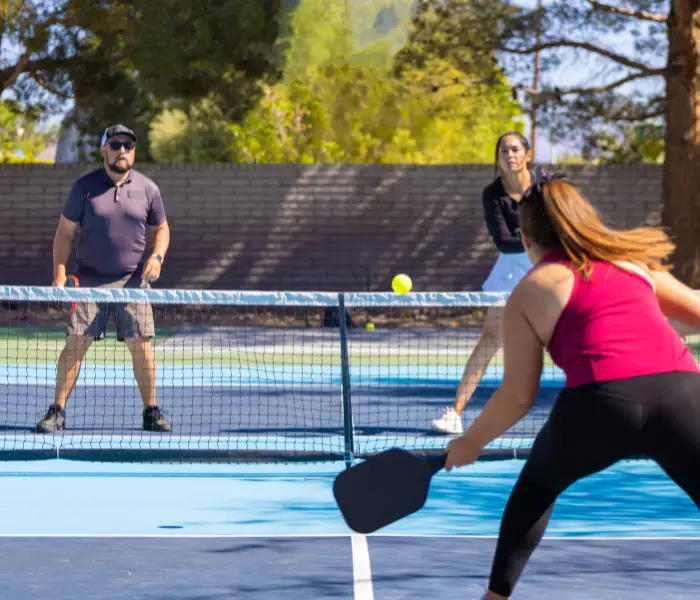
Pickleball, a sport that blends elements from tennis, badminton, and table tennis, has swiftly captured participants’ hearts across various age groups, especially among the younger crowd.
Its simple rules and minimal equipment needs make it highly accessible and enjoyable.
This has led to its increasing adoption in schools and community centres, where it serves not just as a physical activity but as a tool for teaching important life skills such as teamwork, strategic thinking, and coordination.
Engaging kids in pickleball offers a fun way to foster physical fitness while building a sense of community and inclusivity.
The Rise Of Pickleball: A Guide For Parents And Kids
Pickleball’s increasing popularity can be attributed to its engaging, inclusive nature, which appeals to all age groups and makes it a favourite among children and families.
Why Choose Pickleball For Your Kids?
Pickleball offers a unique blend of fun and physical exercise, making it an ideal sport for children. Its simple rules and easy-to-learn skills cater to kids of all ages and athletic abilities.
Unlike many other sports, pickleball can be played both indoors and outdoors. It requires only paddles, a ball, and a net, making it accessible year-round.
The sport is known for its ability to engage children in a non-intimidating environment where they can develop their motor skills, enhance their reaction times, and learn the importance of strategic gameplay.
Educational Benefits Of Pickleball
Integrating pickleball into school curriculums has shown promising results in enhancing students’ physical health, social skills, and emotional well-being.
Schools incorporating pickleball into their physical education programs often see increased student participation and enthusiasm for physical activity.
The sport’s emphasis on strategy and teamwork helps children develop critical thinking skills and collaboration.
Pickleball supports social and emotional learning by encouraging respectful competition and peer interaction, which are crucial aspects of a child’s educational environment.
Enhancing Accessibility Through Community Programs
Organisations dedicated to community health and wellness, such as WePickle, have recognised the potential of pickleball to serve broader communities, including those underserved or with limited access to sports facilities.
These programs focus on making pickleball accessible to everyone, regardless of socioeconomic background.
By partnering with local schools, parks, and recreational departments, these organisations can offer free or low-cost pickleball clinics and equipment, ensuring that children and families can enjoy the benefits of the sport.
Their efforts help build a more inclusive community where everyone has the opportunity to participate and thrive through pickleball.
Making Exercise A Fun Part Of Every Day For Kids
Integrating exercise into daily routines can profoundly benefit children, not only for their physical health but also their mental and social well-being.
Here, we explore various engaging ways to incorporate fitness into children’s lives, ensuring it’s enjoyable and forming lasting healthy habits.
Cultivating A Joyful Exercise Environment
The foundation of a positive exercise routine for children begins at home. Parents and guardians can greatly influence their kids’ attitudes towards physical activity by actively participating with them.
By setting an example through regular personal exercise, children are more likely to view fitness as a natural and fun part of daily life.
Incorporating exercise into family activities enhances this effect, providing enjoyable experiences and fostering a supportive environment.
Whether it’s a family dance-off, an impromptu yoga session, or a playful race, making fitness fun is key to engaging children effectively.
Diverse Activities To Spark Interest
Children have varied interests and abilities, so offering a wide range of physical activities can help them find what they love and keep boredom at bay.
The aim is to provide options that cater to different preferences and skill levels, from structured sports like soccer and basketball to more casual activities like bike rides or skateboarding.
For younger children, games that involve simple movements like jumping jacks or interactive dance games can be particularly appealing.
Older children might be drawn to structured exercises like martial arts or team sports, which also help develop discipline and teamwork skills (UPMC Share) (Health.gov).
Integrating Exercise Into Everyday Tasks
Physical activity doesn’t always need to be structured; it can seamlessly integrate into daily chores and responsibilities.
Encouraging kids to participate in physically demanding tasks such as gardening, washing the car, or even walking the family dog can add to their daily exercise tally while teaching them responsibility.
These activities help keep them active and inculcate a sense of accomplishment and contribution to family life.
Leveraging Technology For Engaging Physical Activities
Technology, often criticised for contributing to sedentary behaviours, can also be a powerful tool in promoting physical activity among children.
Interactive and digital platforms such as fitness video games, virtual dance classes, and mobile apps that gamify physical activity can significantly enhance engagement and enjoyment.
These technologies make exercise feel more like play, which is key to maintaining children’s interest and motivation.
For instance, apps that track progress in a fun and visually appealing way can motivate kids by showing them their achievements over time.
Video games that require physical movement, like those on platforms such as the Nintendo Wii or Xbox Kinect, combine gaming excitement with the benefits of physical exercise, providing an appealing option for children who might be less inclined to participate in traditional physical activities.
Final Remarks
Pickleball combines the joy of play with the benefits of physical activity, making it a perfect sport to engage children of all ages.
By integrating this sport into educational settings and community programs, children improve their physical fitness and develop essential life skills such as teamwork, strategic thinking, and social interaction.
This sport’s adaptability across various environments and its ability to foster inclusive play make it an invaluable addition to any child’s lifestyle.
As we encourage kids to embrace sports like pickleball, we pave the way for healthier, more active, and socially connected future generations.
Collaborative post