
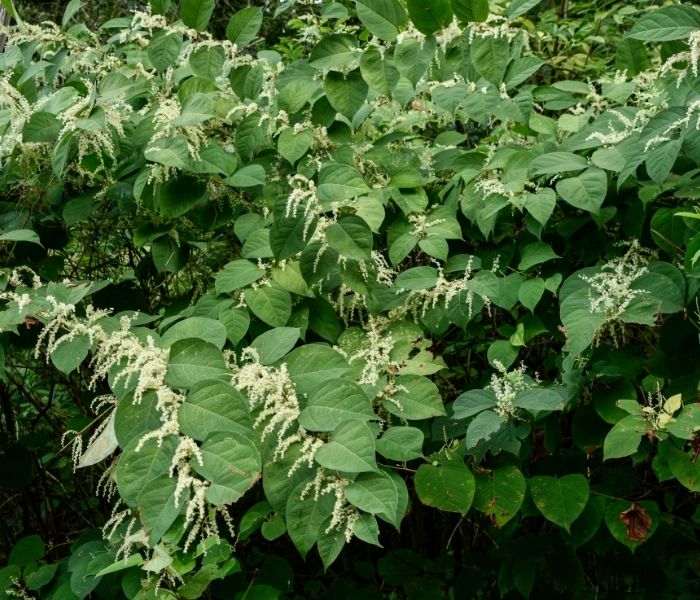
Invasive plants have become a rising concern for property owners across various regions. Among the most persistent is a fast-growing species known for overtaking gardens, riverbanks, and construction sites alike. Its underground rhizomes can grow several meters, making it hard to contain and even harder to eliminate without careful planning. This challenge has prompted many homeowners and developers to rethink their approach to vegetation management. With early intervention and the right strategy, long-term damage and costly restoration can often be avoided. Preventing its spread is now not just a personal decision, it’s also an environmental and sometimes legal responsibility. If you’re looking to take action before it spreads further, this guide offers insight into how and why proper treatment matters.
Recognising the Signs of an Infestation
Early identification makes a significant difference in the long-term outcome. This plant typically emerges in early spring and can grow rapidly through the summer, forming dense green clumps with tall, hollow stems.
The leaves are heart or shovel-shaped and arranged in an alternating pattern along the stems. As summer ends, the plant produces white flower clusters and eventually dies back in winter, though its roots remain active underground.
Spotting these characteristics early in the season gives landowners the best chance of intervening before the spread accelerates. Routine inspections, especially in previously infested areas, can help detect new growth.
Being familiar with what to look for is the first step in stopping its impact.
Understanding the Structural Risk
Beyond its rapid growth, one of the biggest concerns is how this plant can damage structures. Its roots can exploit tiny cracks in concrete, brickwork, and asphalt, causing gradual deterioration over time.
When left untreated, it may interfere with drainage systems, foundations, and retaining walls, creating problems that require significant repairs.
These risks can affect property value, making the presence of invasive plants a factor in real estate transactions and surveys. Insurance and mortgage approvals may also be delayed or denied if infestations are left unaddressed.
Taking action early helps protect both the property and its future resale potential.
Exploring the Methods of Control
There are multiple ways to manage infestations, and the right approach often depends on the severity and location of the problem. Chemical treatments are commonly used, but they must be applied strategically over several growing seasons.
Excavation is another option, especially for construction sites where rapid clearance is required. However, it must be done with care, as improper disposal of contaminated soil can lead to new infestations elsewhere.
Some property managers opt for root barriers to contain the spread and prevent regrowth into unwanted areas. Combining treatments tends to yield the best results.
A tailored plan increases the likelihood of successful control.
Following Best Practices for Disposal
Managing this species doesn’t end with cutting it down. Disposing of it incorrectly can cause more harm than good, spreading fragments that regrow elsewhere.
Plant waste and soil containing roots should never be composted or dumped without permission. In many regions, disposal must follow regulated waste guidelines and be handled at licensed facilities.
Transporting infested material may also require documentation, especially if it crosses jurisdictional boundaries.
Being informed about local disposal standards helps avoid penalties and supports broader containment efforts.
Proper cleanup is just as important as removal itself.
Minimising Long-Term Impact
Even after a successful treatment, ongoing monitoring is key. Roots can survive for years underground, so inspections should continue through multiple growing seasons.
A maintenance schedule, whether annual or biannual, helps identify any regrowth before it becomes widespread again. Communication with neighbours or adjacent property managers is also helpful for preventing cross-border spread.
Taking a proactive role ensures that your property stays clear while contributing to wider environmental protection. For those exploring treatment strategies, Japanese Knotweed Removal is best handled with expert guidance to ensure long-lasting results.