
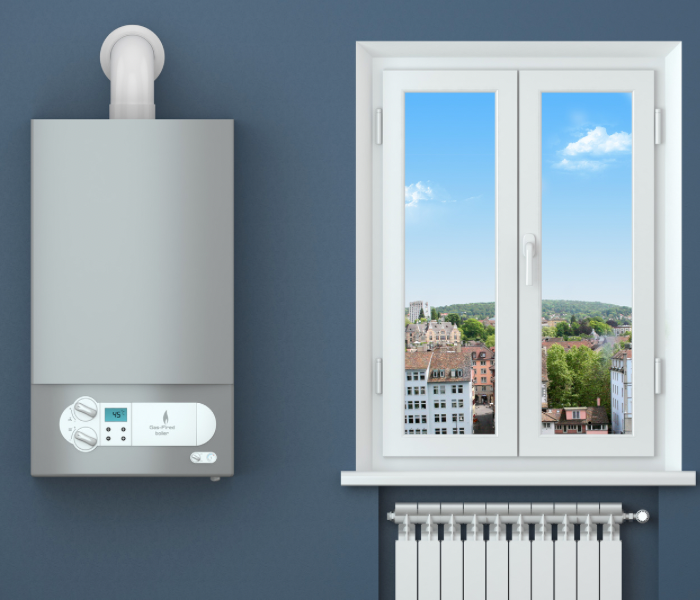
When energy efficiency and sustainability are at the forefront of our minds, the evolution of gas boiler systems has been remarkable. Gas boilers have undergone significant transformation from the clunky, inefficient models of yesteryear to today’s sleek, smart heating solutions, such as the Vitodens gas boiler. This journey reflects broader trends in technology, energy management, and consumer demand for comfort and efficiency. Let’s explore the evolution of gas boiler systems and uncover the future.
The Traditional Gas Boiler
Gas boilers have been heating homes for over a century. Early models were relatively simple, relying on natural gas combustion to generate heat. These traditional systems typically featured a cast-iron heat exchanger and a standing pilot light, which meant they operated continuously, consuming energy even when not in use.
Efficiency Challenges
While effective for their time, traditional gas boilers could have been more efficient. The energy conversion rates were often below 70%, meaning that a significant portion of the fuel used was wasted. Homeowners faced high energy bills and discomfort due to inconsistent heating. Furthermore, the bulky design of these systems often limited placement options within homes, leading to aesthetic concerns.
The Rise of Condensing Boilers
The first significant leap in gas boiler technology came with condensing boilers in the 1990s. These systems employed advanced technology to capture and reuse exhaust gases, extracting additional heat before venting. With efficiency ratings up to 90%, condensing boilers marked a pivotal shift towards more eco-friendly heating solutions.
The Transition to Modern Gas Boilers
As environmental awareness grew and energy prices rose, the demand for more efficient heating solutions intensified. This spurred innovation and the emergence of modern gas boilers designed with the latest technologies.
High-Efficiency Models
Today’s high-efficiency gas boilers boast advanced features that significantly improve performance. Many models utilise stainless steel heat exchangers, enhancing durability and heat transfer efficiency. Innovations such as modulating burners allow these systems to adjust their output according to demand, minimising energy waste and ensuring consistent heating.
Heat Pump Technology
Another hybrid option gaining traction is the integration of air-source or ground-source heat pumps with gas boilers. These systems utilise heat pumps for space heating and hot water during milder months, while the gas boiler kicks in during colder weather when the heat pump may struggle to maintain desired temperatures. This synergistic approach enhances energy efficiency and significantly lowers carbon emissions.
Environmental Considerations and Regulations
The evolution of gas boiler systems is closely tied to environmental regulations and the push for reduced carbon footprints. Governments worldwide are implementing stricter efficiency standards and incentivising the adoption of low-carbon technologies.
Cost Savings and Efficiency
Investing in a modern gas boiler can lead to significant cost savings in energy bills, especially when coupled with smart technology and efficient design. Homeowners can enjoy lower energy consumption while contributing to a greener future.
For those looking to improve energy efficiency beyond their heating system, solar power can also be worth considering. Having the right system installed can make a difference to how effectively it performs, so working with experienced solar panel installers can help ensure the panels are appropriate for the property and its energy requirements.
Looking Ahead
The evolution of gas boiler systems is a testament to the ongoing quest for better, more efficient heating solutions. From their humble beginnings to today’s cutting-edge technology, gas boilers have come a long way. As we move towards a future focused on sustainability, the continued innovation in gas boiler technology will play a pivotal role in shaping how we heat our homes.
collaborative post