
Have you ever returned from a relaxing eco-friendly getaway only to realize your own home feels far less comfortable, energy-efficient, or connected to nature? Turning those inspiring holiday experiences into practical design choices can be challenging without overspending or sacrificing everyday comfort. Discover how sustainable stays can inspire smarter home design, from natural ventilation and energy efficiency to thoughtful materials and landscape integration.
Inspiration from Off-Grid Stays
Off-grid stays make energy, water, and space feel more visible. Solar panels may supply limited electricity, collected rainwater might serve the garden, and carefully positioned windows can warm a room without mechanical heating. These features offer a practical lesson in using resources thoughtfully.
Keep notes during your stay and record details such as window direction, indoor temperature, and the materials that feel comfortable underfoot. Broader discussions of sustainable travel experiences can also help connect what you see on vacation with decisions at home.
For more ideas on choosing thoughtful accommodation, this guide to slow travel and sustainable stays offers a helpful starting point.
Translating Resort Eco-Features Home
Resorts often make sustainable design feel effortless. Deep roof overhangs provide shade, ceiling fans keep air moving, and refill stations reduce packaging. At home, the same principles might become exterior shading above a sunny window, cross-ventilation between rooms, or a filtered water tap.
Focus on the function behind each feature. A dramatic open-air bathroom may not suit your climate, but its natural ventilation strategy could inspire an opening skylight or humidity-sensitive extractor fan. Likewise, travel-inspired home retreats show how materials, outdoor connections and relaxed layouts can translate into everyday spaces without becoming themed decor.
Collaborating with Professional Architects
Bring photographs, sketches and a short list of observations to your first design meeting. Explain that you liked the cool interior of a shaded villa or the compact storage in a woodland cabin. These details communicate more than a folder filled only with attractive room images.
Homeowners and developers in Cornwall can consult Architects for architectural design, energy assessment, Passivhaus design, renovations and new builds. Early professional input helps test travel-inspired ideas against the site, budget and planning constraints before drawings become too detailed.
Ask how each idea will perform throughout the year. A feature that worked in a hot coastal resort may need different glazing, insulation or ventilation in a cooler location.
Prioritizing Long-Term Energy Efficiency
Start with the building fabric because insulation, airtightness and high-quality windows can reduce heating and cooling demand for decades. Efficient appliances and controls matter too, but they work best in a home that already holds a comfortable temperature.
Request projected energy use at an early design stage, then compare options over their expected life spans. For example, upgraded glazing may have a higher initial price but could reduce heat loss and improve comfort beside large windows. Include maintenance in the calculation as well. A complicated system that needs frequent specialist attention may prove less practical than passive shading, natural ventilation and a straightforward heating setup.
Leave room for future changes such as solar panels, battery storage or an electric vehicle charging point.
Living in Harmony with Landscape
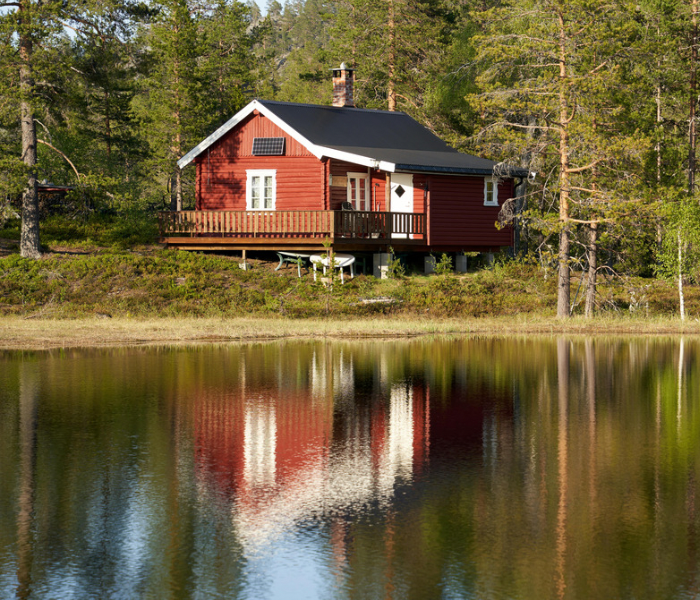
The most memorable sustainable stays often feel rooted in their setting. Their orientation captures useful daylight, local materials reflect nearby colors, and outdoor areas follow the natural shape of the land.
Apply that sensitivity before deciding where a building, extension, or patio should sit. Observe the site at different times of day and, if possible, across several seasons. Note where water collects, which areas receive afternoon sun, and where mature trees provide shade. Retaining established planting can support privacy and reduce the exposed feel of a new build.
A home inspired by travel should still belong to its own location. When the first morning light reaches a well-placed breakfast area without overheating the room later, that quiet daily benefit becomes a lasting souvenir.
collaborative post