
Ever felt like you need a holiday to recover from your holiday? We often try to cram so much into a short trip that we return home more exhausted than when we left. If you’re tired of whirlwind tours and jam-packed itineraries, it might be time to embrace a different way of travelling. Slow travel is all about swapping the frantic rush for a more meaningful and relaxed experience, and choosing eco-friendly stays is a huge part of making it happen.
What Is Slow Travel?
Slow travel is a mindset that prioritises connection over checklists. Instead of ticking off as many sights as possible, it encourages you to immerse yourself in one location. Think of it as choosing depth over breadth. This might mean renting a small cottage in a country town for a week, getting to know the local baker, and discovering hidden walking tracks instead of rushing through five cities in seven days.
The idea is to travel less but experience more. It’s about taking the train instead of a plane, shopping at local farmers’ markets, and learning a few words of the local language. This approach not only reduces travel stress but also lessens your environmental impact. By slowing down, you naturally make more conscious choices, which often align with more sustainable travel itineraries. It’s a wonderful way to connect with a place, its culture and its people on a much deeper level.
Finding Eco-Conscious Lodgings
Once you’ve decided to slow down, the next step is finding accommodation that matches your values. An eco-conscious stay is more than just a hotel with a recycling bin. It’s a place that actively works to minimise its environmental footprint. When you’re searching online, use terms like “eco-lodge,” “green hotel” or “sustainable accommodation” to narrow your options.
Before you book, do a little digging. Look at the accommodation’s website for a sustainability page. Do they mention how they conserve water and energy? Do they hire local staff and use local produce in their restaurant? Some properties have official certifications like EarthCheck or Green Star to prove their commitment. Following simple tips for planning an eco-friendly vacation can make finding these gems much easier.
The Role of Sustainable Building
A truly eco-friendly stay often starts from the ground up, literally. The way a building is constructed plays a massive part in its overall environmental impact. Sustainable building design focuses on efficiency and using materials that are kind to the planet. This includes clever design that uses natural light and airflow to reduce the need for electric lighting and air conditioning.
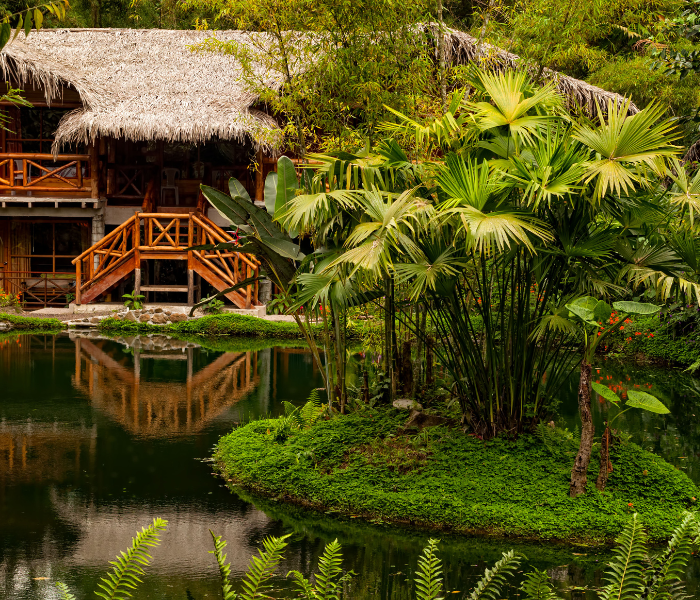
Many eco-lodges are built using renewable resources like bamboo or sustainably sourced timber, valued for their durability, natural appearance, and lower carbon footprint compared with more energy-intensive building materials. These materials also help buildings blend beautifully into their surroundings while supporting more sustainable construction practices. You’ll also find features like rainwater harvesting systems, solar panels for hot water and electricity, and on-site composting. Choosing a place built with these principles in mind means your stay is supporting a healthier planet from its very foundations.
Benefits of Green Accommodation
Opting for green accommodation offers a wealth of benefits that go far beyond just a clear conscience. For starters, you’re directly contributing to the conservation of the local environment. These places actively work to reduce waste, protect local wildlife and conserve precious resources like water and energy. This means your holiday dollars are supporting businesses that are part of the solution, not the problem.
On a personal level, staying in an eco-lodge can be a much healthier experience. Buildings made from natural materials with good ventilation often have better indoor air quality. Plus, these stays are frequently located in beautiful natural settings, encouraging you to get outside and connect with the world around you. It’s a style of travel that leaves both you and the destination in a better state.
Ultimately, choosing slow travel and green accommodation is about making your adventures more intentional. It’s about creating memories that feel good and leaving a positive mark on the places you visit.
collaborative post