
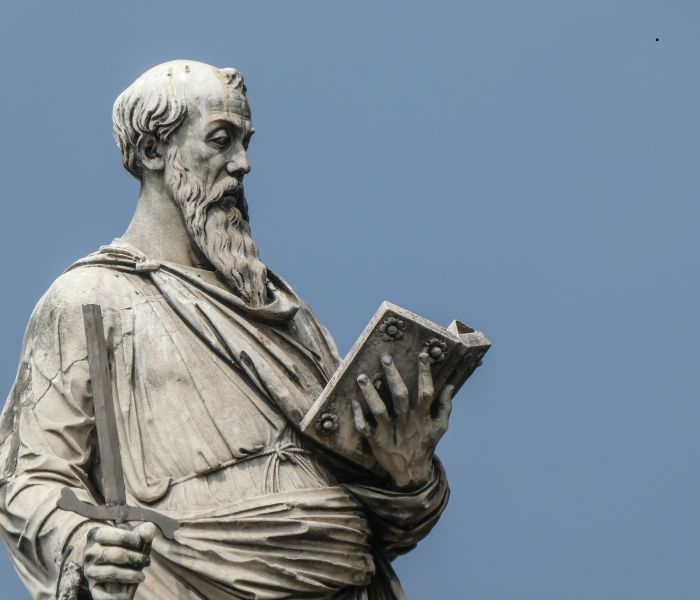
The apostle Paul, originally known as Saul of Tarsus, is one of the most influential figures in Christianity. His transformative journey from a fervent persecutor of Christians to a devout follower of Jesus Christ is a testament to the power of faith and redemption. For many believers, retracing the steps of Paul’s missionary journeys is not only a historical exploration but also a profound spiritual pilgrimage. This journey, often referred to as the “Footsteps of Paul Tour,” provides an opportunity to deepen one’s faith and understanding of early Christianity.
Discovering the Historical Context
Embarking on a journey through the regions where Paul preached offers a tangible connection to the early Christian church. The Footsteps of Paul Tour typically includes visits to significant locations such as Antioch, Ephesus, Philippi, and Corinth. Each of these places holds a unique place in Christian history and provides insight into the challenges and triumphs faced by the apostle.
In Antioch, where believers were first called Christians, visitors can reflect on the early church’s mission and outreach. Ephesus, with its impressive ruins, allows pilgrims to walk where Paul once taught and lived. The city’s ancient theatre and the remains of the Temple of Artemis provide a backdrop to Paul’s efforts to spread the Gospel amid pagan worship and opposition. In Philippi, travellers can stand at the riverbank where Lydia was baptised, marking the beginning of the church in Europe, and in Corinth, they can imagine Paul’s interactions with the diverse populace of this bustling trade city.
Walking in Faith and Reflection
For many, following Paul’s path is more than just visiting historical sites; it is an opportunity for spiritual reflection and growth. Walking in the footsteps of Paul invites believers to consider their own journeys of faith and transformation. The trials and tribulations faced by Paul, from shipwrecks to imprisonments, are reminders of the resilience and steadfastness required in the Christian walk.
As pilgrims visit these sacred sites, they are encouraged to reflect on the letters Paul wrote to the early churches, many of which were penned during his travels. These epistles, full of theological insights and pastoral advice, continue to inspire and guide believers today. By physically placing themselves in the context of these writings, pilgrims often find new meanings in the scriptures and a renewed sense of purpose in their spiritual lives.
Experiencing Community and Fellowship
One of the profound aspects of the Footsteps of Paul Tour is the sense of community and fellowship it fosters among participants. Travelling with fellow believers creates an environment of shared faith and collective reflection. As pilgrims explore the landscapes and landmarks that shaped Paul’s ministry, they engage in discussions and devotions that enrich their understanding and appreciation of the apostle’s work.
These journeys often lead to lasting friendships, as participants bond over shared experiences and insights. The communal aspect of the pilgrimage mirrors the early Christian communities that Paul nurtured and supported. This sense of belonging and mutual encouragement is a vital part of the spiritual journey, offering pilgrims a taste of the unity and love that Paul so passionately advocated in his letters.
Personal Transformation and Renewal
The spiritual significance of retracing Paul’s steps lies in the potential for personal transformation and renewal. Just as Paul underwent a dramatic conversion on the road to Damascus, pilgrims often find that their journeys lead to profound personal insights and changes. The physical act of pilgrimage, with its demands on time, energy, and contemplation, often serves as a catalyst for spiritual renewal.
In following Paul’s path, believers are challenged to consider their own lives and callings. The journey prompts questions about faith, purpose, and the ways in which one can serve and witness to others. Many pilgrims return home with a deeper commitment to their faith and a renewed sense of mission, inspired by Paul’s example of dedication and perseverance.
Conclusion
The Footsteps of Paul Tour is more than a historical exploration; it is a spiritual pilgrimage that offers believers the chance to deepen their faith and understanding of early Christianity. By walking in Paul’s footsteps, pilgrims connect with the past, engage with scripture, and experience personal transformation. The journey serves as a reminder of the apostle’s enduring legacy and the power of faith to inspire change and growth. Whether through historical insights, communal fellowship, or personal reflection, following Paul’s path is a journey that continues to enrich and inspire believers around the world.