
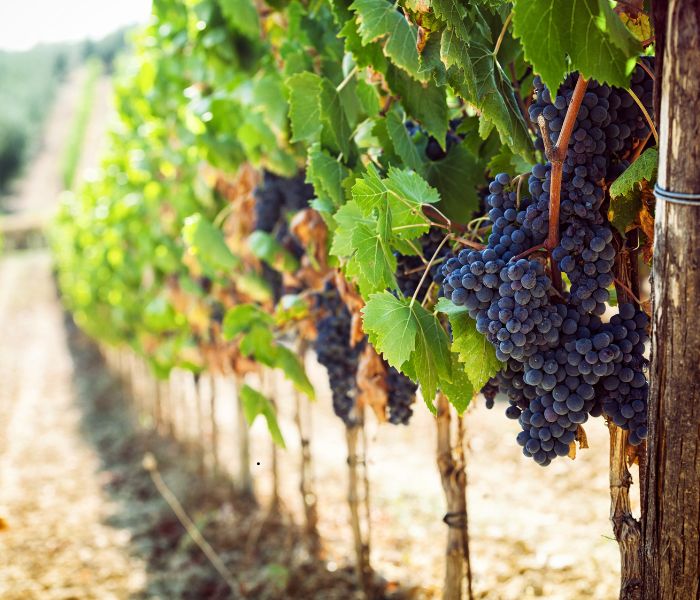
Florence is full of beauty and history, but sometimes you need a change of pace. A wine tour in the Chianti region offers just that. It gives you a few hours away from the city while still keeping things easy and enjoyable. Rolling hills, small farms, and quiet roads lead to places where wine has been made for centuries.
The best part? You don’t need to plan it all yourself. Many tours include everything, transport, tastings, and stops at vineyards that are usually hard to reach on your own. Whether you’re a wine fan or just want to relax in the countryside, this kind of day trip adds something special to your visit. Here’s what to expect and how to make it smooth.
Why Leave Florence for a Wine Tour?
Florence offers museums, churches, and crowded streets. A trip to Chianti offers something completely different. It’s quiet, open, and peaceful. You see where the wine comes from, not just in bottles, but in the land itself.
A guided Florence wine tour usually includes visits to two or more wineries. These aren’t large commercial places. They are often small, family-owned spots where wine is made in small batches. You meet people who work the land and take pride in what they produce.
The drive itself is part of the charm. Rolling hills, vineyards, and olive trees fill the view. You stop along the way for pictures, rest, or short walks. Tours vary in size, but many keep groups small for a more relaxed experience.
Some services handle everything for you. They offer round-trip travel from Florence, timed visits, and even food pairings. You don’t have to worry about schedules or directions. This makes the day smooth from start to finish.
What the Tour Usually Includes
Most tours follow a simple but rewarding schedule. They begin with a meeting point in Florence. From there, you travel by minivan or coach into the hills. The first stop is often a smaller winery, where you’re welcomed by the owner or a local guide.
You get to walk through the vineyards and see the production areas. Some places show you the cellars, barrels, and bottling rooms. This helps you understand how the wine is made from start to finish.
After the walk, the tasting begins. You usually try three or four types of Chianti. This might include Classico, Riserva, or a house blend. Tastes are paired with light snacks—cheese, olive oil, or slices of fresh bread.
After that, you move on to a second winery. Each one is a little different. Some offer stronger wines. Others focus more on the farming side. Either way, the day moves at a comfortable pace.
How to Prepare for the Day
Wear comfortable shoes. You’ll be walking on gravel paths and possibly uneven ground. Sandals can work, but walking shoes are better.
Bring sunscreen, even if the weather looks mild. You may be outdoors more than you expect. A hat also helps, especially during the warmer months.
Eat breakfast before you go. Some tastings include snacks, but they may not be enough to hold you through the day.
Keep your bag light. A small crossbody bag or daypack is ideal. You won’t want to carry much when walking between vineyards.
Bring a bottle of water. You’ll taste wine, but staying hydrated matters, especially if the weather is warm. Also, carry a small notebook or use your phone to jot down the names of wines you enjoy. Most are not sold outside Italy.
Mistakes That Can Slow You Down
Many visitors make simple errors that hurt the experience. Here are a few to avoid:
- Booking too late: Tours can fill quickly, especially in spring and summer. Reserve a spot at least a few days ahead.
- Wearing the wrong shoes: As mentioned, some paths are rocky. Avoid heels or thin-soled shoes.
- Skipping sun protection: Even short walks can lead to sunburn. Always pack a small bottle of sunscreen.
- Assuming lunch is included, some tours offer snacks only. If lunch matters to you, check the details before booking.
- Not checking the group size: Some people prefer small groups. Others don’t mind larger ones. Pick the one that fits your style.
Avoiding these problems helps the day feel smooth and relaxed, not rushed or uncomfortable.
How to Save Time Without Cutting Corners
There’s no need to over-plan the day, but a few smart steps help you use your time well.
Start by booking a tour that handles everything. Some services provide skip-the-line winery access, quick ticketing, and clear instructions on where to meet in Florence. These details save you time and reduce confusion.
Choose a morning departure if possible. Early tours give you cooler weather, quieter roads, and more time in the countryside. Afternoon tours are fine, too, but they may feel a bit more rushed.
If you can, pick a tour that includes a village stop or viewpoint. That way, you’re not just sitting and sipping—you’re seeing more of Tuscany without needing extra days.
Keep your phone charged. Most people use it for photos, maps, and quick notes. Having a power bank isn’t a bad idea, especially if you’re using navigation apps.
Tasting the Wine Like a Local
You don’t need to know wine terms to enjoy the tasting. The most important thing is to stay open to the experience.
Take small sips. Look at the colour, smell the glass, and enjoy the taste slowly. Ask questions. The guides often love talking about their wines. There are no wrong answers, just pay attention to what you like.
If you want to buy wine, many places ship bottles internationally. That way, you don’t have to carry anything home in your luggage. Just remember that shipping may cost more than the wine itself.
Also, don’t feel pressured to buy. Tastings are meant to be enjoyed, not treated like sales pitches. If you like something, buy it. If not, just enjoy the moment and the view.
Conclusion
A wine tour into Chianti offers more than just tasting. It’s a slow, rich look into a part of Tuscany many people miss. Book early, dress comfortably, and go with a relaxed pace. The day will take care of itself. Let the views, the wine, and the people guide your experience. That’s where the real memory lives.