
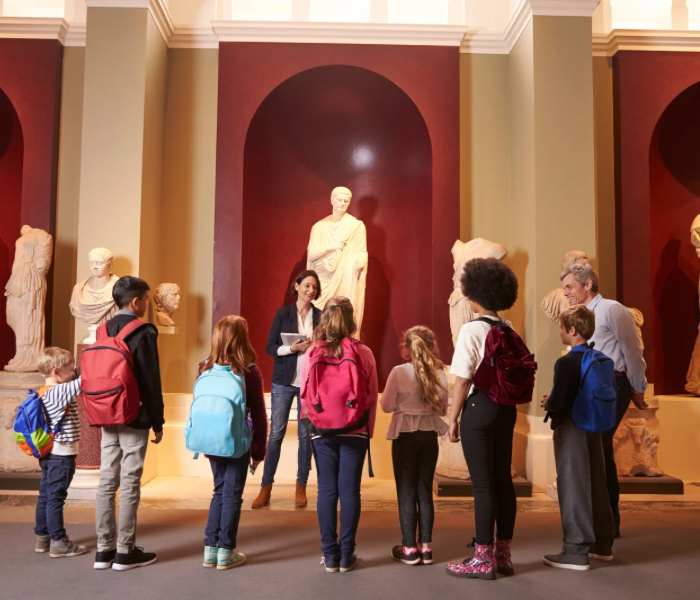
Residential school trips are an exciting and enriching experience for students, providing a break from the regular classroom setting and offering opportunities for personal growth and learning. These trips allow students to immerse themselves in new environments, engage in hands-on activities, and develop skills that are difficult to foster within the confines of a school.
From building stronger peer relationships to enhancing academic understanding, residential school trips offer a multitude of benefits that contribute to a well-rounded education. This article explores the key advantages of residential school trips and why they are an invaluable part of the educational journey.
Enhancing Academic Learning
Residential school trips offer unique opportunities for enhancing academic learning in ways that are not always possible within the classroom. By taking students out of their usual environment and immersing them in hands-on learning experiences, these trips can bring academic concepts to life and deepen understanding.
For example, a trip to a historical site allows students to explore history in a tangible way, walking through ancient ruins or historical landmarks that they have previously only read about in textbooks. This direct engagement with history can spark curiosity and a deeper appreciation for the subject. Similarly, a visit to a science centre or nature reserve can provide practical demonstrations of scientific principles, from observing wildlife in their natural habitats to conducting experiments in real-world settings.
By connecting classroom learning with real-world experiences, school residential trips help to reinforce and expand students’ knowledge. They can see the practical applications of what they have learned, making abstract concepts more concrete and accessible. This experiential learning approach can also cater to different learning styles, helping students who might struggle with traditional teaching methods to grasp complex ideas more effectively.
Developing Social Skills and Independence
One of the most significant benefits of residential school trips is the development of social skills and independence among students. Being away from home and their usual support systems, students are encouraged to step out of their comfort zones and interact with their peers in a new setting. This experience fosters better communication and teamwork, as students must collaborate to solve problems, complete tasks, and navigate the challenges of living together.
During a residential trip, students often participate in group activities that require cooperation and mutual support. These activities can range from outdoor adventures like hiking and orienteering to collaborative projects such as building shelters or conducting scientific experiments. Through these experiences, students learn the importance of listening, sharing ideas, and working towards a common goal, which are essential skills for both their personal and professional lives.
Residential trips help students develop independence and self-reliance. Being away from their families, students must take responsibility for their own belongings, manage their time, and make decisions without immediate parental guidance. This autonomy helps build confidence and prepares them for future experiences, such as higher education and careers, where they will need to navigate new environments and challenges independently.
The structured yet flexible environment of a residential trip provides a safe space for students to practice and refine these skills. Teachers and trip leaders are there to offer guidance and support, but the emphasis is on students taking the initiative and learning through experience. This balance of support and independence is crucial for fostering resilient and adaptable individuals.
Building Stronger Peer Relationships
Another significant benefit of residential school trips is the opportunity for students to build stronger relationships with their peers. Spending extended time together outside the classroom environment allows students to bond over shared experiences, work collaboratively on challenges, and support each other through new adventures.
These shared experiences create a sense of camaraderie and mutual understanding among students. Whether they are tackling a ropes course, cooking meals together, or navigating a team-building exercise, students learn to trust and rely on each other. This trust and reliance can translate into improved teamwork and cooperation back in the classroom as students bring these strengthened relationships and collaborative skills into their daily interactions.
Residential trips often bring together students from different classes or year groups, providing an opportunity to make new friends and expand their social networks. This can be particularly beneficial for students who may feel isolated or struggle to connect with their peers in the regular school setting. The relaxed and informal atmosphere of a residential trip can break down social barriers and encourage inclusivity and friendship.
Conclusion
Residential school trips offer a wealth of benefits that extend beyond the classroom, enriching students’ lives in numerous ways. By stepping out of their regular environment and engaging in hands-on activities, students gain new perspectives, build confidence, and create lasting memories.
As educators and parents, supporting and encouraging participation in residential school trips can help foster resilient, curious, and well-rounded individuals ready to take on the challenges of the future.