
After school ends, the world might feel big and scary, but a gap year can be the perfect bridge between academics and adulthood. To make it meaningful and safe, a little planning goes a long way. If you dream of a destination that offers cultural richness, tropical adventures, and the perfect balance of discovery and downtime, Thailand should be right at the top of your list.
Don’t Drift Aimlessly; Have a Concrete Plan
Set yourself a couple of goals to achieve by the end of your experience abroad. This could be volunteering, cultural immersion, or developing new skills. According to KILROY’s 2024 Gap Year Report, figures from UCAS show that gap year popularity increased again in 2023, with 2,430 more 18-19-year-olds deferring their university places compared to the previous year.
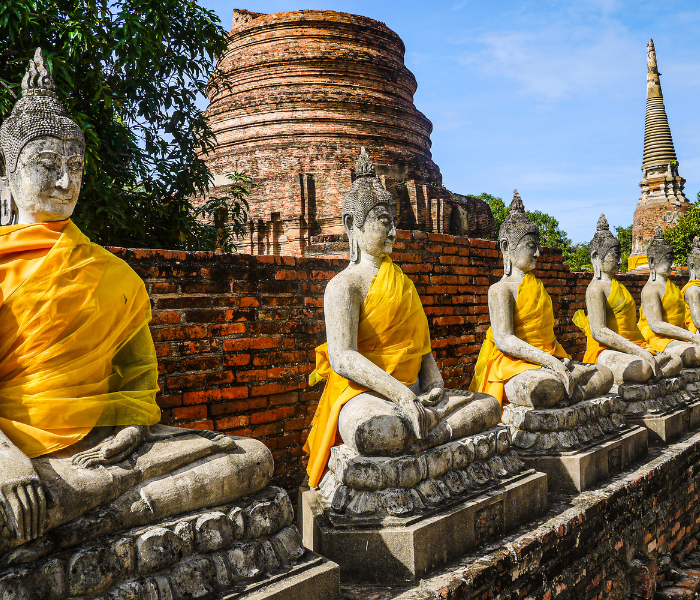
Thailand holidays are a popular pick thanks to the country’s mix of affordability, natural beauty, and travel-friendly infrastructure. Whether you want to teach English, explore ancient temples, island-hop along coastlines, or trek through northern jungles, having clear objectives changes your gap year from simple wandering into purposeful growth.
Make a Budget and Always Have a Backup Plan
Map out all expected costs, including flights, visas, insurance, accommodation, food, transport, and extras. According to Prospects careers advice, round-the-world plane tickets can start from around £1,300, though hidden costs add up quickly, from passport renewals (£88.50) to visas (£15-£150 per country) and vaccinations (£30-£80). Add a buffer of 15-20% for unforeseen expenses like medical emergencies or spontaneous opportunities.
Most importantly, think in advance about how to make money once you’re there, such as part-time jobs, remote gigs, or volunteering roles that offer accommodation. Thailand’s low cost of living means your money stretches further, but financial planning remains essential for a stress-free experience.
Prioritise Safety and Structure
A gap year is also a responsibility, which is why you must prepare wisely. Learn basic first aid, register with your embassy, carry copies of important documents, and always have contact plans with family. Research accommodation reviews, understand local customs, and keep emergency funds accessible. That doesn’t necessarily mean you have to sacrifice your spontaneity, though: by all means keep a rough itinerary, but allow room for flexibility and self-discovery. The beauty of a gap year lies in unexpected encounters and unplanned adventures, but having a safety framework ensures those moments remain positive and not problematic.
With thoughtful preparation, your gap year in Thailand can become a transformative experience that builds confidence, broadens perspectives, and creates memories lasting a lifetime.
collaborative post