
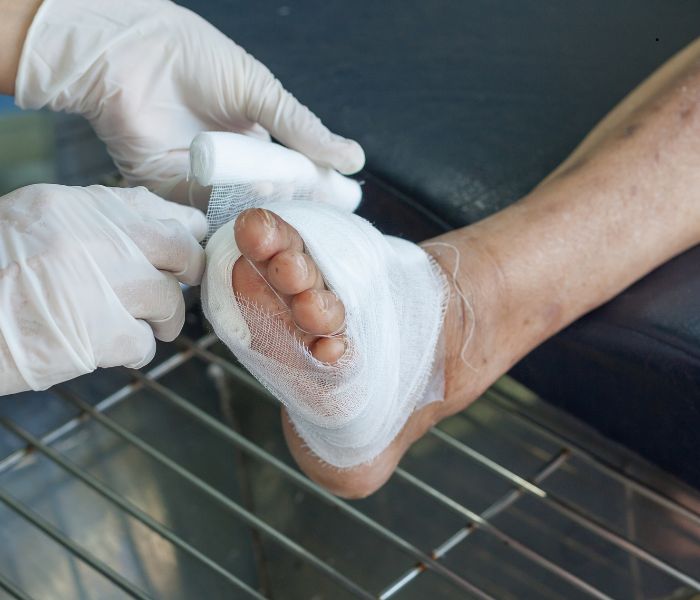
Diabetes is a chronic condition that affects millions worldwide, often leading to complications if not managed properly. One of the most concerning complications is the development of diabetic wounds, particularly on the feet. These wounds can progress rapidly and lead to serious infections or even amputation if not treated appropriately. Understanding how to prevent and treat diabetic wounds is crucial for those living with diabetes to maintain their health and quality of life.
The Causes and Risks of Diabetic Wounds
Diabetic wounds typically arise from a combination of poor circulation and neuropathy. High blood sugar levels can damage blood vessels, leading to reduced blood flow, which impedes the healing process. Neuropathy, or nerve damage, often causes a loss of sensation in the feet, making it difficult to notice injuries. Without proper sensation, small cuts or blisters can go unnoticed until they become serious ulcers.
The risks of diabetic wounds include infection, gangrene, and in severe cases, the necessity for amputation. It’s vital to address wounds promptly to avoid these serious outcomes.
Prevention Strategies
Preventing diabetic wounds involves a proactive approach to foot care and overall health management. Here are some essential strategies:
- Regular Foot Care: Inspect your feet daily for any signs of injury, redness, or swelling. Use a mirror or ask for help if you have trouble seeing the bottoms of your feet. Keep your feet clean and dry, and moisturize to prevent cracks.
- Proper Footwear: Wear shoes that fit well and offer adequate support. Avoid walking barefoot, even indoors, to prevent injuries.
- Blood Sugar Control: Keeping blood sugar levels within the target range is crucial. This helps prevent damage to blood vessels and nerves, reducing the risk of wounds.
- Routine Medical Checkups: Regular visits to healthcare providers, including a podiatrist, can help catch potential problems early.
- Lifestyle Adjustments: Maintain a healthy diet, exercise regularly, and avoid smoking to improve circulation and overall health.
Early Treatment Options
If a diabetic wound does develop, early intervention is key to preventing complications. Here are some initial treatment options:
- Wound Cleaning and Dressing: Clean the wound with a saline solution or as directed by a healthcare provider, and apply a sterile dressing to protect it from infection.
- Offloading: Relieve pressure from the affected area using specialised footwear or devices to promote healing.
- Topical Treatments: Antibiotic ointments may be prescribed to prevent or treat infection. In some cases, advanced wound care treatments like hydrogels or alginates may be used.
- Monitoring and Adjustment: Regular monitoring by healthcare professionals is essential. They can adjust treatment plans as needed based on the wound’s response.
Advanced Treatment Options
When diabetic wounds do not respond to initial treatments, more advanced therapies may be necessary:
- Debridement: This involves the removal of dead or infected tissue to promote healing. It can be performed surgically or through other methods like enzymatic debridement.
- Antibiotic Therapy: Systemic antibiotics may be prescribed if there is a significant infection. The choice of antibiotic will depend on the type of bacteria present.
- HBOT treatment for wounds: Hyperbaric oxygen therapy (HBOT) involves breathing pure oxygen in a pressurised environment. It can enhance wound healing by increasing oxygen supply to the affected area, promoting tissue repair and fighting infection.
- Skin Grafts and Other Surgical Interventions: In some cases, skin grafts or other surgical procedures may be necessary to close the wound and promote healing.
The Importance of a Multidisciplinary Approach
Managing diabetic wounds effectively often requires a team of healthcare professionals, including doctors, nurses, podiatrists, and wound care specialists. This multidisciplinary approach ensures comprehensive care, addressing all aspects of the patient’s health and wellbeing.
Conclusion
Diabetic wounds are a serious concern for individuals with diabetes, but they can often be prevented or effectively managed with proactive care and appropriate treatment. By understanding the risks and implementing preventive measures, individuals can reduce their chances of developing wounds. Early detection and treatment are critical to prevent complications. For those who do develop wounds that do not heal with conventional care, advanced treatments like HBOT may provide a viable option.
Ultimately, maintaining a healthy lifestyle, regular medical care, and swift action at the first sign of trouble are the best strategies for preventing diabetic wounds from becoming worse. By taking these steps, individuals with diabetes can preserve their health and quality of life.