
Scuba Diving in Sri Lanka: A Guide to an Unforgettable Underwater Adventure
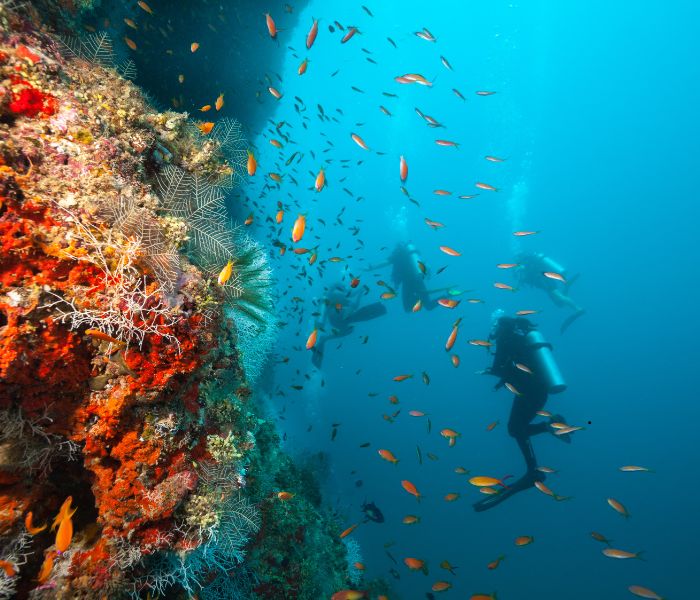
Sri Lanka, known as the Pearl of the Indian Ocean, is an island nation offering some of the world’s most spectacular scuba diving experiences. With its vibrant coral reefs, historic wrecks, and diverse marine life, this tropical paradise is a dream destination for scuba divers, whether you’re a beginner or an experienced diver seeking new challenges. Here’s everything you need to know about scuba diving in Sri Lanka, including the best places to dive, the ideal time to visit, and what makes this island country a top destination for underwater enthusiasts.
Best Time to Dive in Sri Lanka
Due to the island’s monsoon seasons, the diving conditions in Sri Lanka vary significantly between the east coast and the southwest coast. Therefore, the right season for diving depends on which coast you plan to explore:
- Southwest Coast (Hikkaduwa, Unawatuna, Mirissa, and Bentota): The best time to dive here is from November to April when the waters are calm and clear and offer excellent visibility.
- East Coast (Trincomalee, Batticaloa, Pigeon Island): The best time for this region is May to October, during which the monsoon season shifts to the southwest, leaving the east coast with ideal dive conditions.
Top Diving Spots in Sri Lanka
Sri Lanka is home to many dive sites, each offering something unique. From shallow reefs to thrilling wreck dives, here are some of the best dive spots to explore:
Barracuda Reef (Southwest Coast):
Located near Colombo, this site is perfect for certified divers. It’s known for its schooling fish, reef sharks, and various colourful corals.
Unawatuna Beach (South Coast):
A popular spot for scuba divers looking for shallow reef dives, Unawatuna Bay is known for its vibrant coral reefs, moray eels, and occasional sightings of sea turtles.
Great Basses Reef (South Coast):
This remote dive site is famous for its historic wrecks and challenging conditions, making it ideal for advanced divers. The Ralagala wreck and the Earl of Shaftesbury are must-visit sites.
HMS Hermes Wreck (East Coast):
A deep wreck dive off Batticaloa, the HMS Hermes is one of the world’s top wreck diving sites. It’s suitable for experienced wreck divers and offers an unforgettable experience exploring this sunken aircraft carrier.
Pigeon Island Marine Life Sanctuary (Northeast Coast):
This UNESCO World Heritage Site is known for its variety of corals, reef sharks, and colourful fish species. It’s one of the best spots for diving schools and dive centres to introduce beginners to the wonders of Sri Lankan marine life.
Bar Reef (Northwest Coast):
The largest coral reef in Sri Lanka, Bar Reef is home to gorgonian gardens, soft corals, and manta rays. The dive conditions here are suitable for all levels of divers.
Exploring Sri Lanka’s Marine Life
One of the highlights of diving in Sri Lanka is its diverse marine life. From majestic blue whales and sperm whales to graceful manta rays and elusive whale sharks, the waters around this island nation are teeming with extraordinary creatures. Here are some of the marine species you can encounter:
Blue Whales and Sperm Whales
Whale watching is particularly popular in Mirissa Point and Trincomalee, where dive operators often combine diving trips with the opportunity to spot these gentle giants.
Reef Sharks
These can be seen at many dive sites, including Swami Rock and Barracuda Reef.
Sea Turtles
Frequently encountered in coral gardens along the south coast of Sri Lanka.
Moray Eels, Barracudas, and Schooling Fish
These creatures make for exciting dive encounters, and they are found around rock formations like Yala Rock and Taprobane Reefs.
Wreck Diving in Sri Lanka
Sri Lanka is a treasure trove of underwater history for those who love exploring historic wrecks. Some of the best wreck diving sites include:
SS Conch
One of the world’s oldest oil tanker wrecks, now home to vibrant coral reefs and a variety of marine life.
Irakkandy Shipwreck
A lesser-known wreck site near the east coast.
Great Basses and Little Basses Reefs
Known for the remains of ancient shipwrecks, these sites are ideal for advanced divers.
Dive Centres and Facilities
Sri Lanka has numerous dive centres, dive shops, and dive schools catering to all levels of divers. Some of the most reputable ones include:
- Island Scuba (Colombo): Offers global dive trips, courses, and fun dives for beginners and experienced divers.
- Dive Sri Lanka (Hikkaduwa): Known for their friendly dive masters and small group dives, ensuring a more personalised experience.
- Taprobane Divers (Trincomalee): Specialises in exploring the northeast coast sites, including Swami Rock and the HMS Hermes.
Staying in Sri Lanka
After a day of diving, relax in one of the luxurious Sri Lankan villas dotting the coastlines. Whether you’re on the southwest coast enjoying the tranquil beaches of Unawatuna or the east coast near the serene shores of Nilaveli, these villas offer the perfect base to unwind and recharge for your next underwater adventure.
Tips for Scuba Divers Visiting Sri Lanka
- Choose the Right Season: Plan your trip based on the best conditions for the coast you want to dive.
- Certification Levels: Some sites are only suitable for advanced divers. Make sure to choose a dive centre or dive operator that matches your skill level.
- Protect Marine Life: Practice responsible diving by avoiding touching corals and marine creatures, and always follow the guidance of your dive master.
Conclusion
Sri Lanka’s best diving experience lies not just in its clear waters and diverse marine life but also in its rich blend of history, culture, and natural beauty. From the colourful corals of the Taprobane Reefs to the thrilling wreck dives of the south coast, this island country promises unforgettable experiences for every scuba diver. With the right planning and a sense of adventure, diving in Sri Lanka can be one of the most memorable chapters in your underwater explorations.
