
A child’s bedroom rarely stays the same for long. One year it feels like a play space filled with bright colours and toys scattered across every surface, and the next it needs to support homework, hobbies and a growing sense of independence. You notice how quickly their interests shift, from favourite characters to new colours and styles they start to choose for themselves. Instead of starting from scratch each time, you can make thoughtful changes that keep the room feeling current without constant full redecorations.
Start with flexible colour schemes
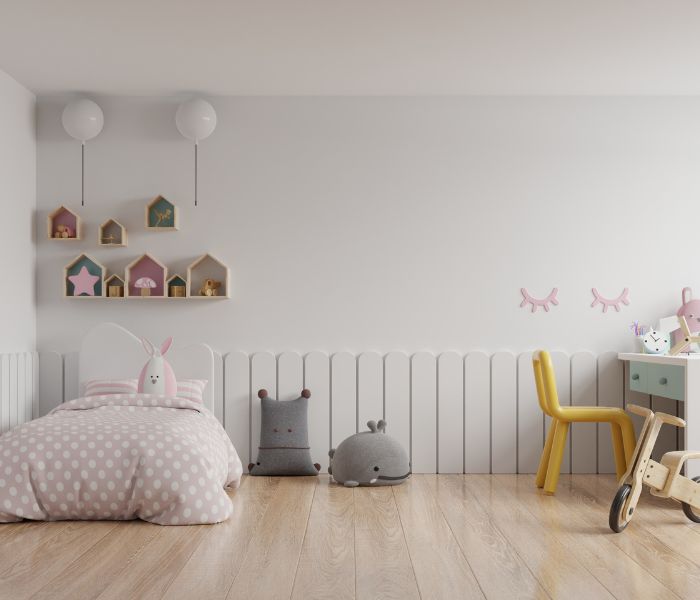
Neutral walls give you a strong foundation that adapts as your child grows. Soft greys or warm whites work well because they do not lock you into a specific theme that quickly feels outdated. You can then layer personality through smaller updates that are easier to change over time.
When your child develops new interests, you simply adjust the accessories instead of repainting the entire room. A set of colourful cushions or themed artwork can shift the mood without much effort.
Upgrade furniture to match their age
As your child moves through different stages, their furniture needs change too. Toddler beds and small storage units quickly lose their usefulness, so you benefit from pieces that support longer-term use and better organisation.
You might introduce a proper desk for homework or storage that encourages them to keep their belongings tidy and easy to access. Well-designed fitted furniture can make a real difference here, as it uses the room more efficiently and gives your child space to study, play or relax without feeling crowded.
Refresh the room with accessories
Small updates often create the biggest visual change without requiring major work. Bedding, rugs, cushions and wall decals allow you to respond quickly to your child’s evolving tastes.
You might switch from bright, playful prints to more subtle patterns as they grow older or let them choose colours that reflect their current interests. These changes help them feel involved in their own space, which often makes them take better care of it. It also keeps the room feeling relevant without the cost or disruption of full redecorating.
Plan layout changes as needs change
The way your child uses their room will shift over time, so the layout should shift with it. A space that once centred around floor play may later need clear zones for studying or relaxing.
When you rearrange furniture thoughtfully, you can create separate areas that support different parts of their routine. Moving a bed to open up floor space or positioning a desk near natural light can make everyday activities feel easier and more comfortable. As their needs grow, the room should continue to support how they live rather than hold them back.
collaborative post