
Household budgeting can be a real chore when you have children. Somehow, being a parent manages to catapult you into a life of uncertainty. Even if one or both parents are in stable employment, the expenses that come with having children can sometimes be unexpected.
Children have a habit of suddenly announcing school trips that need to be paid for or the need for a new pair of shoes. It seems like there’s always an unaccounted-for expense around every corner!
One way you can ease the pain of forking out for yet another pair of shoes is to arrange a rainy day fund. This can seem daunting at first because your current income might always seem spoken for. If at first glance it looks like you might not have anything to put aside each month, then keep reading! These everyday money-saving tips will help you spend less without feeling like you’re ‘going without.’
Easy Money-Saving Tips for Working Parents
Parents are known for being time-poor. Once you have children, you might find there aren’t quite enough hours in the day to do everything you had planned. This often leads to overspending due to the need for convenience.
This guide will help you figure out where you can make changes, without it having a negative impact. Saving money is always a good thing, but it’s not ideal if it comes at the expense of time. Below are some tips to help you cut back on spending, without losing out on too much free time.
Take a packed lunch
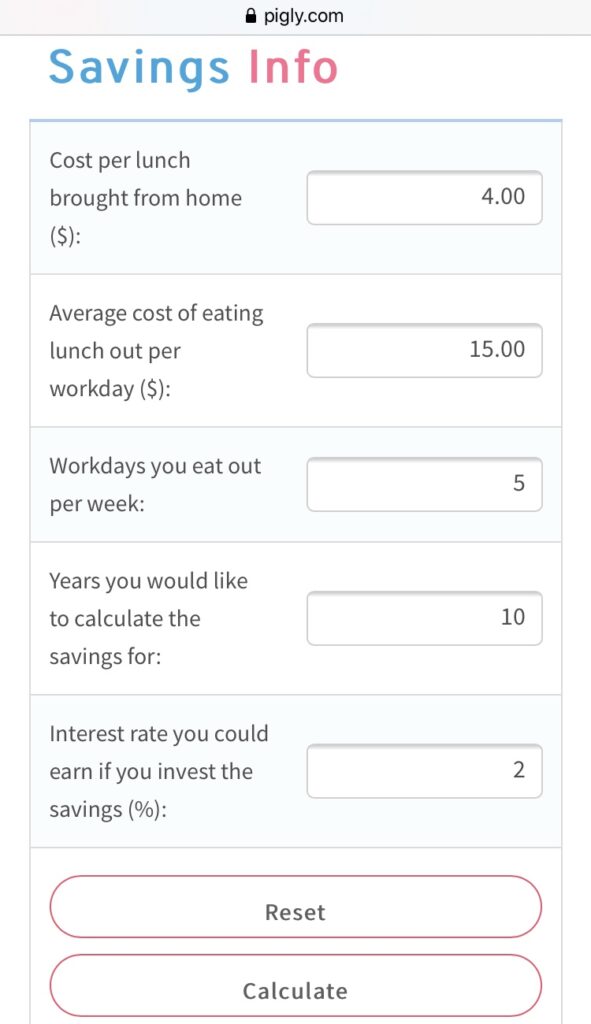
Taking lunch to work is not a new idea. Buying lunch out is quick, convenient and gives you the opportunity to eat whatever you’re in the mood for at that moment. The trouble is, eating out is also costly. You can calculate your lunch savings with this tool, it lets you input how much homemade lunch costs, how much you spend buying it, how many years you’ll be working for and what interest rate your savings give you. Once you’ve seen the figures, you’ll never buy lunch out again! Bringing lunch from home can save you literally thousands.
The best way to work it when you’re short on time is meal prep for the week ahead on a Sunday. Make a selection of lunches that you know you’ll enjoy and store them in the fridge so you can grab them before work each morning. If your workplace has a microwave, get in the habit of freezing extra portions of your evening meals, this will give you extra variety when it comes to bringing a packed lunch.

Turn off the heat
If the house is empty all day because you’re out at work and the children are in school or childcare, there’s no point in heating an empty home. Although there has been much debate over the years about whether keeping a constant level of low-heat output running throughout the day is cheaper than heating your home as and when you need it, recent research suggests the latter wins. The Energy Saving Trust has made a great guide for saving money and energy when it comes to heating your home.

Cycle to work
If you live and work in the same town, consider going green and cycling to and from work. Some workplaces have a scheme to make cycling affordable if you don’t have a working bike, but if you’ve already got one gathering dust, your commute just became free!
Even if it’s your responsibility to drive your child to their childcare provider, there’s no reason you can’t pop the bike on a rack on your car and cycle after you’ve dropped your child off. Not only will this cost you less in the long-term, but it’ll also improve your health and the extra endorphins can lift your mood!
Bank your bonus
Lots of jobs operate on a bonus model. This means you get a flat-rate wage every month and on top of that, you might get a performance-based bonus at regular intervals. This money is usually extra to what you’re expecting, and therefore not usually already accounted for. If you put any bonus in savings instead of allowing it to get absorbed into the general family finances, it can build up into quite a big nest egg over the years. It also means you’ll have a rainy-day fund, should you need one.