
Growing plants in your garden can be tricky, with many requiring a lot of care to yield a decent crop. If you’re a beginner or short on time, this can be off-putting, but there are plenty of rewarding alternatives to try.
To maximise your garden’s productivity without having to worry about spending hours tending to your raised beds and containers, check out our guide to our favourite minimal upkeep crops below.
Perennial Herbs
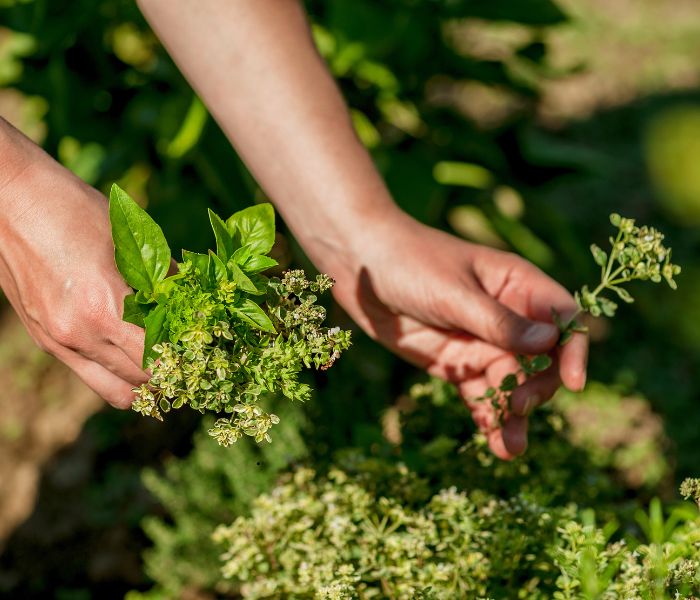
Hardy varieties of perennial herbs, such as rosemary, thyme, and chives, return year after year and require minimal maintenance. Once established, they’re drought-tolerant and perfect for containers and borders. Beyond adding flavour to your cooking, they also attract pollinators like bees, which benefit your entire garden.
Thyme thrives in dry, sunny spots, so plant it where it will receive the sun for most of the day. Chives and rosemary can tolerate colder weather, especially if the latter’s roots aren’t exposed to wet conditions. Aim to regularly harvest them to promote new growth, and dry or freeze the herbs to take the pressure off using them quickly.
Leafy Greens
Lettuce and spinach are fast-growing vegetables that you can enjoy without having to pull them out of the soil entirely. Instead, snip the outer leaves whenever you want to use them in a dish, and the plant will quickly grow back.
These cut-and-come-again salads typically produce crops from late spring to autumn. Aim to sow a small batch of seeds every fortnight until late August to ensure a steady supply of young leaves throughout the growing season. Harvest the leaves in the morning at their freshest, and only cut what you need to use, as baby leaves often wilt quickly.
Root Vegetables
While carrots, parsnips, and beetroot take a little longer to grow, they are great investment crops. You can sow them in early spring and let them develop over the summer with minimal attention, aside from occasional thinning and watering.
Once harvested, they store well in the cool, dark conditions of the fridge’s vegetable drawer. Beetroot and carrots come with the added bonus of edible leaves that make great additions to winter soups.
Alliums
Onions and garlic are part of the allium family, making them excellent choices for beginner gardeners. Plant the onion sets in spring or autumn, and they won’t require too much watering. They’re also rarely troubled by pests, making them an ideal hands-off crop. You can cultivate them from seeds or sets in garden beds of various soil types or containers.
After you’ve dried them, the onions can be stored in a dry, dark cupboard for months, even after summer ends. Try interplanting them among other crops to deter pests with their pungent smell. Carrots and brassicas, such as broccoli and kale, make good companions. Onions can prevent carrot flies and aphids that these crops attract. Tomatoes are another great pairing option to keep whiteflies and moths away.
collaborative post