
The space that worked for your business on day one is rarely the space it will need in year five. What might have started on a kitchen table or in a spare room can quickly outgrow its humble beginnings. As your business evolves, its physical environment must also change. Future-proofing your business premises isn’t about predicting the future with a crystal ball. It means making strategic, flexible choices today that will support your growth, no matter what tomorrow brings. This involves thinking beyond immediate needs and creating a foundation that can adapt as your team, services, and ambitions expand.
Adapting to Change
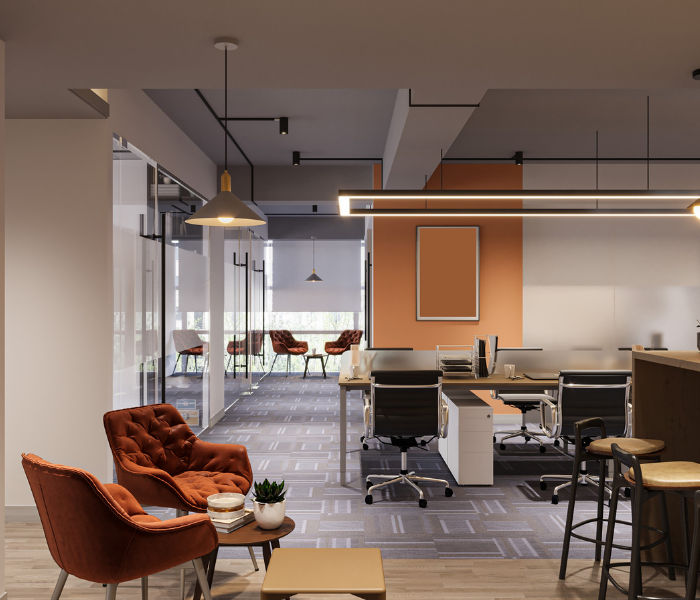
Change is the only constant in business. A business plan is a living document, and your premises should be just as dynamic. The shift towards hybrid and remote working models is a perfect example. A few years ago, the priority might have been fitting as many desks as possible into an office. Today, the focus has shifted to creating collaborative hubs, meeting zones, and flexible areas that serve teams that may not be in the office every day. Creating future-proof workspaces is key. Consider modular furniture, movable partitions, and strong digital infrastructure to support both in-person and remote collaboration. This adaptability ensures your property remains a valuable asset, not a costly burden.
Smart Property Choices
Choosing a property is one of the biggest decisions a business owner will make. Whether you are leasing your first small shop or buying a warehouse, the legal details of the transaction are critical. Getting this wrong can lock you into an inflexible arrangement that stifles growth. Making smart property decisions means looking closely at the terms of your agreement. For instance, a short-term lease with an option to renew might offer more flexibility than a long-term commitment if you anticipate rapid growth. Understanding the nuances of a commercial lease, from break clauses to repair obligations, is vital. This is where specialist advice from commercial conveyancing solicitors can be invaluable. They ensure the legal framework of your property deal supports your long-term business strategy, protecting you from potential pitfalls.
Considering Expansion or Downsizing
Growth isn’t always linear, and sometimes the smartest move is to downsize or reconfigure your space. If your team has embraced remote work, you may be paying for empty desks. Downsizing to a smaller, more modern hub could free up significant capital to reinvest elsewhere in the business. On the other hand, if you’re bursting at the seams, you need an expansion plan. This could mean moving to a larger site or exploring options to extend your current premises. Before signing a lease, investigate the potential for expansion within the building or business park. Having a pre-agreed option to take on an adjacent unit, for example, can make scaling up a much smoother process when the time comes.
Legal Frameworks for Growth
Moving into a new building or modifying your existing one often involves navigating a web of regulations. You can’t simply turn a retail shop into a cafe or an office into a workshop without checking the rules. Local authorities have specific ‘Use Classes’ that dictate what a commercial property can be used for. Changing this use often requires planning permission, which can be a lengthy and complex process. Likewise, if you plan to build an extension or make significant structural alterations, you must comply with building regulations and secure the necessary consents. Understanding the practical safety considerations of operating commercial premises is equally important, particularly when planning changes or improvements. These commercial building safety tips cover some of the key measures businesses can take to maintain a safer working environment. Factoring these legal timelines and potential costs into your growth plan from the outset is essential to avoid unexpected delays and expenses.
Sustainable Property Solutions
A future-proofed property is also a sustainable one. Incorporating green features is no longer a niche interest. It’s a sound business decision. An energy-efficient building with good insulation, LED lighting, and modern heating systems will have lower running costs, directly impacting your bottom line. These features also improve the working environment for your staff and can be a powerful selling point for attracting eco-conscious customers and employees. Simple steps like installing smart meters to monitor energy use or choosing suppliers who prioritise sustainability can make a real difference. In the long run, a property with strong environmental credentials will hold its value better and be more resilient to changing energy-performance regulations.
Thinking ahead about your physical space gives your business the stability and flexibility it needs to thrive. By planning for change and getting the foundational legal and practical elements right, you create an environment where your business isn’t just surviving, but is set up for future success.
collaborative post