
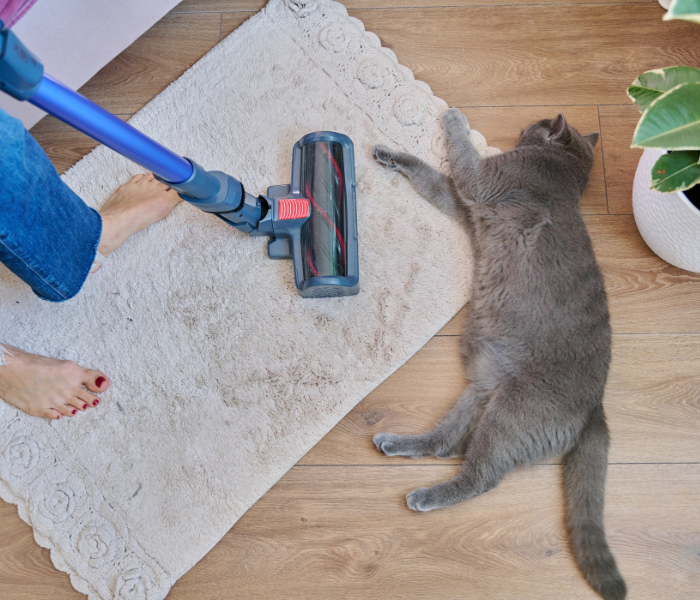
Pet hair is one of those cleaning problems that never quite stays solved. Fur works its way into carpet fibres, dander settles deep into upholstery, and tracked-in debris piles up faster than most standard vacuums can handle. When researching options, many pet owners come across purpose-built models like a pet vacuum cleaner as a natural starting point, but a more useful goal is to understand which features genuinely matter before committing to any machine. This guide focuses on those universal factors so you can make a confident, well-informed decision regardless of brand.
What Makes Pet Hair Cleanup Different
Standard vacuums often fall short in pet households because pet hair doesn’t just rest on surfaces—it weaves into carpet pile, clings to upholstery, and wraps itself around brush rolls. On top of the visible fur, fine dander particles require serious filtration to be removed from the air rather than simply redistributed. Homes with multiple pets or heavy shedders face this problem daily, across hard floors, rugs, stairs, and furniture alike.
Key Takeaway: Effective pet-hair cleaning comes down to three things: pickup, filtration, and maintenance—not suction power alone.
The Most Important Vacuum Features for Pet Homes
A motorised brush roll is arguably the single most valuable feature in a pet vacuum. It agitates carpet fibres to lift embedded hair rather than gliding over it, and adjustable height settings let the same machine handle both low-pile and deep-pile carpet without losing contact.
Sealed HEPA filtration is the standard worth looking for when allergens are a concern. There’s a real difference between capturing hair—which most vacuums manage—and trapping microscopic dander particles, which requires a properly sealed system. Always check filtration claims against actual product specifications rather than trusting vague marketing language like “allergy-friendly.”
A tangle-resistant brush roll considerably reduces maintenance. Long-haired pets can wrap a standard roller within a single cleaning session, degrading performance and forcing you to stop and clear it by hand. Designs built to minimise tangling save time and reduce unnecessary wear on the motor.
Finally, bin or bag capacity matters more in pet homes than in the average household. Frequent emptying is disruptive and easy to skip. Bagged systems tend to be more hygienic at disposal, while bagless systems eliminate the ongoing cost of replacement bags—both are reasonable choices depending on your preference.
Matching the Vacuum to Your Home
The right vacuum depends heavily on what kind of flooring you have. Carpeted homes benefit from stronger brush agitation and upright or powerhead designs. Hard-floor homes need controlled suction and soft rollers that pick up hair without scattering it across the room. Mixed-floor homes call for easy surface transitions and a versatile multi-surface floorhead.
| Floor Type | Priority Features |
| Carpet | Motorised brush roll, height adjustment |
| Hard floors | Soft roller, edge suction, debris control |
| Mixed | Multi-surface head, adjustable power |
For homes with stairs or heavy upholstery, lightweight handling and a detachable wand or handheld mode are practical advantages to consider.
Attachments and Accessories That Actually Help
The right attachment often outperforms a raw suction upgrade. An upholstery tool handles couches and mattresses; a crevice tool reaches baseboards and tight corners; a mini turbo brush is especially effective on pet beds and stairs. Using the correct tool for each surface—rather than dragging the main floorhead everywhere—makes a noticeable difference in results.
How Often Pet Owners Should Vacuum
- Heavy shedders or multiple pets: Daily in high-traffic areas
- Moderate shedders: Every two to three days
- Light shedders or single-pet homes: Several times per week
- Allergy-sensitive households: More frequent cleaning with strong filtration
Practical Tip: A simple weekly routine goes a long way—main floors every other day, furniture twice a week, and stairs and pet beds on weekends. Staying consistent prevents buildup far more effectively than the occasional deep clean.
Maintenance Habits That Keep Performance Strong
Brush rolls should be checked after each use and cleared of wrapped hair on a regular basis. Filters need rinsing or replacement on a set schedule—washable filters must be completely dry before going back in. Empty the bin before it reaches capacity, and check hoses periodically for blockages that quietly reduce airflow. These are general best practices; always follow the specific guidance in your product manual, since maintenance requirements vary by model.
How to Evaluate Claims Before Buying
Look for precise, verifiable language: sealed filtration, motorised brush roll, and tools included. Treat phrases like “extra powerful” or “pet-optimised” with healthy scepticism unless they’re backed by actual specifications. Independent testing data and manufacturer documentation are far more reliable than promotional copy.
Avoid These Common Mistakes:
- Overvaluing suction ratings while overlooking brush design and floorhead contact
- Choosing a vacuum that’s difficult to maintain—powerful machines lose their value quickly if owners avoid cleaning them
- Selecting a carpet-focused model for a home that’s mostly hard floors, or vice versa
- Ignoring accessories, which often determine whether furniture and stairs get properly cleaned at all
Choosing Based on Your Real Routine
The best vacuum for a pet home is the one that fits your actual flooring, your pet’s shedding level, and your filtration needs—and that you’ll genuinely use on a regular basis. Prioritise pickup performance, sealed filtration, tangle resistance, capacity, and ease of maintenance over brand reputation. A well-matched vacuum used consistently will outperform a premium model that collects dust in the closet because it’s too much of a hassle to deal with.