
Energy costs continue to rise, leaving many households grappling with higher electricity bills. Conserving energy not only improves finances but also contributes to a greener, more sustainable environment. With some strategies and lifestyle adjustments, you can reduce your energy usage without compromising comfort or quality.
Understand Your Energy Consumption
Before implementing any changes, it’s important that we understand where energy is being consumed and wasted in our home. Refrigerators, washing machines, and ovens are normally the major energy consumers. Smart meters or home energy monitors can provide detailed insights into home electricity use and identify areas for improvement. Once energy hogs have been identified, it becomes much simpler to take the necessary measures and lower costs accordingly.
Opting for Energy-Efficient Appliances
Old appliances might seem reliable, but they could be costing your wallet just as much (if not more) than your electricity bill. Upgrading to energy-efficient models with higher ratings, such as those on the EU energy label, can make an enormous difference, saving you electricity and money over time. Select appliances that are sized appropriately for your household to avoid unnecessary energy waste. Why power an oversized fridge when a smaller one would do just as well?
Switch Off and Unplug
Switching off devices when they’re not being used is one of the easiest ways to reduce energy costs. Devices left plugged in, like televisions, microwaves, or gaming consoles, continue to draw power. This magic trick (because your electricity keeps disappearing) is known as “phantom load.” Smart plugs or power strips make switching multiple devices off easier with just the push of a button. Don’t underestimate its savings potential.
Light Up Better
Lighting accounts for a considerable portion of energy use in homes filled with incandescent bulbs. Replacing them with energy-saving LEDs is an economical upgrade. Their smaller power usage and longer lifespan save you on electricity costs and replacement expenses. When possible, use natural light by opening curtains during daylight hours and positioning desks or seating in well-lit areas. Motion-sensor lighting could also come in handy in garages or hallways where lights often remain on unnecessarily. Being light-savvy can substantially help stretch the household budget.
Smart Thermostats for Heating and Cooling
Heating and cooling systems account for one of the biggest contributors to energy bills. Installing a smart thermostat not only offers comfort but also improves your energy use by intelligently adjusting temperatures more precisely. Set the thermostat a few degrees lower in winter and a few degrees higher in summer. Even small adjustments in the settings could yield significant annual savings.
Harness Renewable Energy
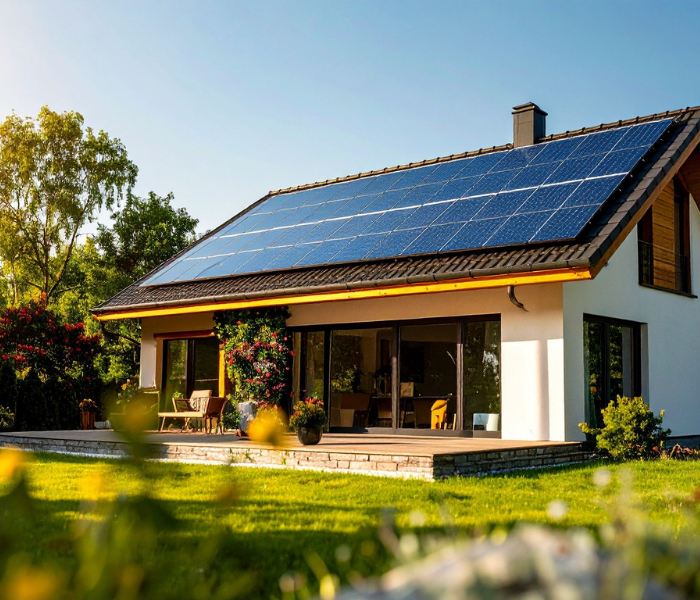
Solar power is actually a great way to reduce your energy costs. Installing solar panels gives homeowners direct access to renewable energy that powers their homes while also being environmentally friendly. Although the setup costs may seem like a red flag at first, government incentives and long-term savings more than make up for their initial price tag. Even smaller steps like using solar-powered garden lights can contribute towards cleaner and cost-cutting energy use.
Evaluate Energy Tariffs
Not all energy tariffs are the same. Comparing plans from different energy providers can show you much cheaper rates, especially if switching to providers offering renewable energy options. Keep an eye on market developments to ensure your money isn’t spent unnecessarily on outdated plans.
Cook and Clean Cleverly
Daily household tasks, like cooking and cleaning, can give you more opportunities to save energy. Use lids on pots and pans for better cooking. Batch-cooking meals is another way to limit oven use. Unplugging appliances when they are not being used or defrosting food in the fridge instead of the microwave all reduce energy use. Dishwashing full loads using an energy-efficient dishwasher generally uses less water and energy compared with handwashing, so consider that option as you attempt to cut costs further. If you want to save more energy, skip heated drying.
Conclusion
Cutting electrical costs is easier than you think, without having to give up a lot of your conveniences. When you follow these tips and make energy-conscious choices, your household can experience substantial savings while contributing to a greener planet. Lowering your electrical bills could even help secure your financial future and ripple out by inspiring your neighbours too. Implementing such strategies keeps money where it belongs, which is in your bank instead of on bills.
collaborative post