
collaborative post
Saudi Arabia has long held deep religious and cultural significance, as it is home to the holy cities of Makkah and Madinah. Every year, millions of Muslims from around the world travel to the Kingdom to perform Umrah and Hajj, and these numbers continue to grow.
With rising demand, fluctuating global economies, and increasing flight and accommodation costs, many travellers now choose all-inclusive umrah packages. These packages simplify the planning process by combining flights, hotels, and local transport, allowing families and individuals to focus fully on their spiritual journey rather than logistics.
Understanding Saudi Culture
Saudi culture is shaped by Islam, historic trade routes, and traditional desert communities. It remains deeply religious, socially conservative, and strongly rooted in long-standing customs. Visitors are expected to respect local laws, traditions, and social norms throughout their stay.
What to Wear in Saudi Arabia
While dress codes have relaxed in recent years, modest clothing is still required by law.
In major cities such as Riyadh and Jeddah, traditional clothing is still commonly worn.
For men
Men should avoid sleeveless tops and shorts. Long trousers and shirts that cover the shoulders are recommended, as modesty is an important part of Islamic culture.
For women
Wearing an abaya is no longer compulsory for tourists, but many women choose to wear one to blend in and feel comfortable. Headscarves are generally only required when visiting mosques or religious sites.
UK Muslims travelling during school holidays often look for Easter Umrah packages, which make it easier to plan Umrah around family commitments while ensuring all essential arrangements are taken care of.
Gender Etiquette and Social Behaviour
Gender segregation remains common in many aspects of daily life.
- Physical contact with the opposite gender, including handshakes, should be avoided unless initiated by a local.
- Prolonged eye contact with strangers of the opposite gender is discouraged.
- Public displays of affection are not permitted, even for married couples.
- Some restaurants and public spaces still offer separate seating areas for families and single men.
Being aware of these customs helps visitors avoid awkward or uncomfortable situations.
Getting Around Saudi Arabia
Saudi Arabia is vast, and travel between cities can take time.
Car hire
Hiring a car is ideal for exploring areas outside major cities, as road networks are modern and extensive.
Domestic flights
Flights between cities are frequent, affordable, and often under two hours, making them a convenient option for shorter trips.
Buses
Long-distance buses are clean and comfortable, though slightly more expensive than in some neighbouring countries.
Things to Do in Saudi Arabia
Beyond its religious importance, Saudi Arabia offers a wide range of cultural, historical, and family-friendly experiences for visitors.
Visit the Holy Cities
For Muslims, travelling to Makkah and Madinah is the heart of the journey. Performing Umrah, praying at Al-Masjid al-Haram, and visiting Al-Masjid an-Nabawi are deeply spiritual experiences and often the main reason families choose umrah packages that take care of travel and accommodation in advance.
Explore Historic Sites
Saudi Arabia is home to many fascinating historical locations, including Diriyah, the birthplace of the Saudi state, where visitors can explore traditional Najdi architecture and learn about the country’s origins.
Discover AlUla
AlUla is one of the Kingdom’s most breathtaking destinations. Known for its dramatic sandstone formations and ancient tombs, it offers guided tours, cultural exhibitions, and open-air experiences suitable for older children and teens.
Enjoy Family-Friendly Attractions
Major cities such as Jeddah and Riyadh have modern shopping malls, waterfront promenades, theme parks, and interactive museums, making them ideal for families extending their stay beyond Umrah.
Experience Traditional Markets (Souqs)
Visiting local souqs is a great way to experience everyday Saudi life. From dates and spices to prayer mats and traditional clothing, these markets offer authentic souvenirs and a glimpse into local culture.
Relax by the Red Sea
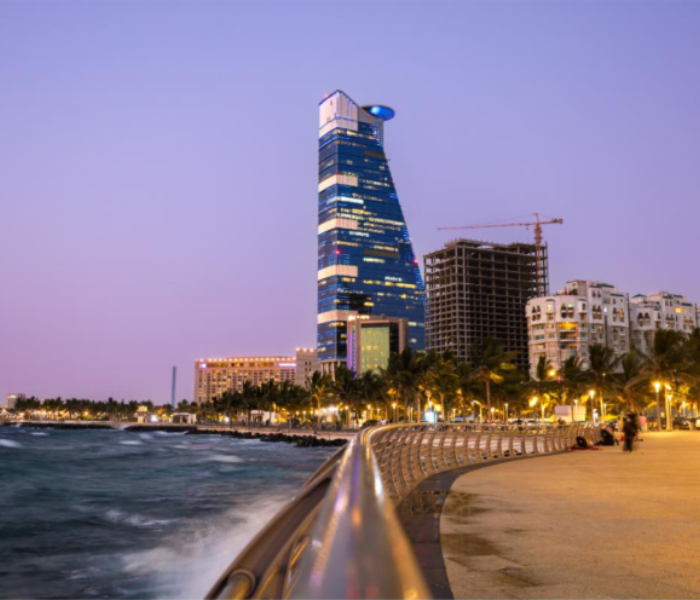
The Red Sea coastline near Jeddah is known for its beautiful promenades and clear waters. Families can enjoy seaside walks, cafés, and scenic views, while older visitors may choose boat trips or snorkelling excursions where permitted.
Safety Tips for Visitors
Saudi Arabia is generally safe for travellers, but it’s important to keep the following in mind:
- Driving standards can be unpredictable, so pedestrians should take extra care.
- Criticising Islam, the legal system, or the royal family can result in serious penalties.
- Alcohol and drugs are strictly illegal and carry severe punishments.
- CBD is also prohibited; depending on the quantity found, you may even be charged with drug trafficking rather than possession, which requires a specialist drug crime and trafficking lawyer
By respecting local laws and cultural expectations, visitors can enjoy a safe, meaningful, and enriching experience in Saudi Arabia.