
Weather extremes are a fact of life, especially in Pittsburgh, where the climate can swing from blistering summer heat to biting winter frosts. Residents here understand that protecting their homes from such diverse conditions isn’t just prudent; it’s necessary. Recognising the vulnerabilities in your home’s defence against the elements is the first step toward safeguarding your sanctuary. We will share key strategies that can boost your home’s resilience against severe weather, making sure it stands strong for years to come.
Assessing Your Home’s Vulnerability
Before effectively shielding your home from the caprices of weather, you need to understand its current defences and weaknesses. Start with a comprehensive assessment of your property. Check the age and condition of your roof since it’s one of the first lines of defence against precipitation and sun alike. Inspect windows and doors for drafts and leaks that not only let in weather but can also increase energy bills. Don’t overlook the landscape and orientation of your house—how does water drain near your foundation? Are there trees that could pose a risk in a storm? Gathering this information forms the basis of your weatherproofing plan.
Reinforcing Roofing
The roof is your home’s helmet against the harsh skies. Seeing to it that it’s in peak condition is essential for weatherproofing. If your shingles are cracked, loose, or missing, they can’t offer the protection needed. Pittsburgh experiences significant rain and snow, which can be brutal on roofing materials. Consulting with a well-reviewed Pittsburgh roofing company can provide professional insights into the best materials and maintenance practices for your needs. They can help you determine whether repairs or a full replacement are necessary to prepare for the upcoming seasons.
Waterproofing Basics
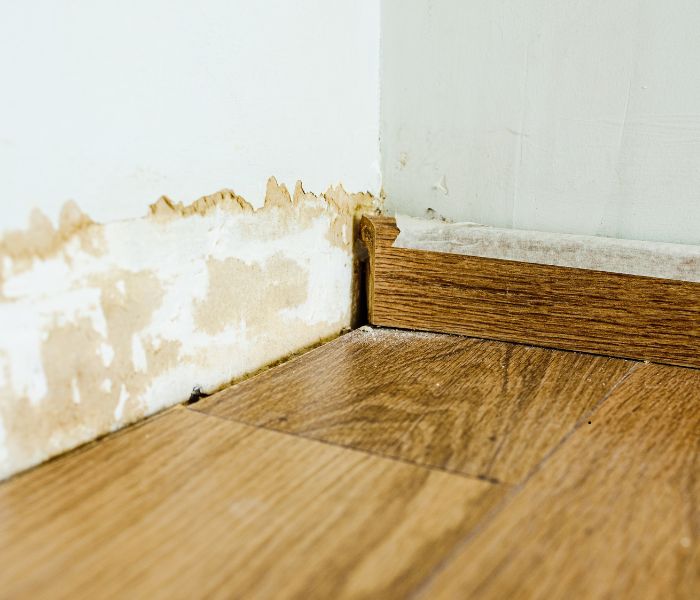
Water damage can wreak havoc on a home, leading to costly repairs and significant stress. Begin waterproofing by sealing gaps around windows and doors with quality caulk and weatherstripping. This keeps moisture out and improves energy efficiency by eliminating drafts. Check the state of your gutters and downspouts—they should be clean and clear to effectively direct water away from your foundation. Extensions can help by guiding runoff further from the home’s perimeter, reducing the risk of foundation water damage.
Windproofing Techniques
Wind can transform everyday objects into dangerous projectiles and stress your home’s structural integrity. Start by examining outdoor items: secure patio furniture, grills, and garden tools in a shed or garage to prevent them from being tossed around in a storm. Consider installing storm shutters and reinforcing your garage door for your home itself, as these are common weak points during windstorms. These steps are essential in areas prone to high winds or tornadoes.
Landscaping to Shield Your Home
Thoughtful landscaping can serve as a natural shield against severe weather. Planting trees and shrubs strategically can mitigate the impact of high winds and help control soil erosion. However, it’s crucial to choose suitable types of resilient and appropriate plants for the local climate. Position trees to block incoming storms but are also situated far enough from the house to prevent damage if they fall. Regular pruning and maintenance help trees remain healthy and less likely to become liabilities during storms.
Foundation Checks
Maintaining a solid foundation is crucial for long-term home safety and integrity. Periodic inspections for cracks or abnormal shifts are essential, especially after severe weather events. Look for signs of water pooling or erosion around the base of your house, as these can weaken the foundation over time. Addressing these issues promptly by sealing cracks or adjusting drainage can prevent more serious problems later.
Preparing for Snow and Ice
Protecting your home from snow and ice is vital in regions with harsh winters. Start by making sure your attic is well insulated. This can prevent the formation of ice dams on the roof, which occur when heat escapes and melts snow unevenly. Keeping your sidewalks and driveways clear of ice prevents structural damage and maintains safety for residents and visitors. Consider installing heated mats or using eco-friendly ice melt products to manage accumulation.
Utilising Technology for Weather Alerts
Staying ahead of the weather is easier than ever with technology. Install weather apps on your mobile devices to receive timely alerts about severe conditions. These tools can offer enough lead time to secure outdoor objects, check your emergency supplies, or even evacuate if local authorities advise. Some systems can be integrated with home automation to fortify the house automatically, closing shutters or triggering backup generators.
Regular Maintenance Schedule
A regular maintenance schedule is vital to keeping your home weather-ready. This includes cleaning gutters, inspecting roofs and windows, and checking the landscaping before and after the weather seasons change. Regular checks allow you to catch and address minor issues before they escalate into major repairs due to weather damage.
Emergency Preparedness
Creating an emergency preparedness plan is essential. This plan should include a list of supplies like bottled water, non-perishable food, flashlights, batteries, and first aid items. Know where you can take shelter in your home during extreme weather events, and keep important documents in a waterproof container. Regularly review and practice your emergency plan with all household members.
Reviewing Insurance Coverage
Finally, ensure your home is backed by a suitable insurance policy covering weather-related damages. Different policies cover various elements; not all include flood or earthquake damage as standard options. Review your policy details, possibly with the aid of a professional, to verify that you have adequate coverage for the specific types of weather risks your home faces.
Protecting your home from the elements is a proactive step that can save you significant stress and money. While unpredictable weather can be daunting, armed with the right knowledge and preparations, you can significantly reduce the risk of damage. By taking steps to protect your home’s exterior and interior, you’re not just preserving property but also ensuring the safety and comfort of your family. A little prevention goes a long way – always remember this.